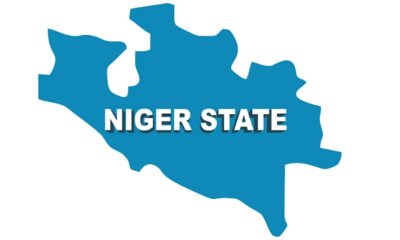
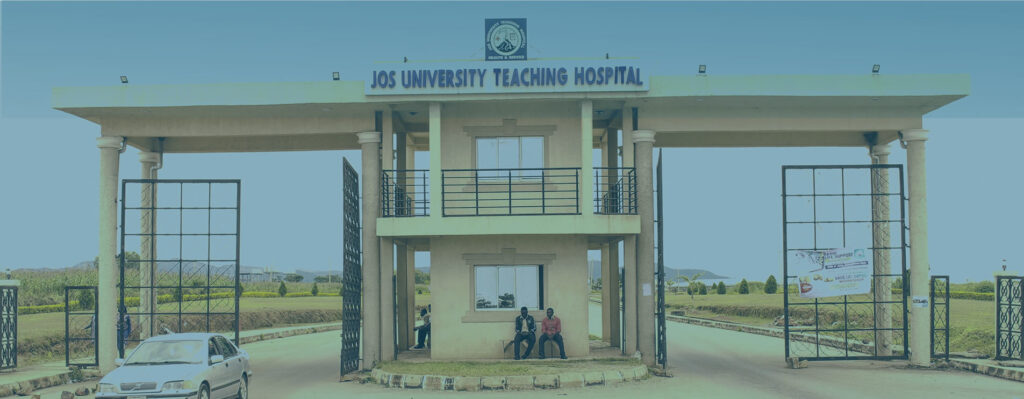
Authorities at the Jos University Teaching Hospital have insisted an accumulated bill of N503,110.00 must be paid in full before the corpse of late Ali would be released for funeral, mother of the deceased told this reporter in Jos, Friday, August 12, 2022.
Health
Mother grieves as hospital withhold son’s corpse over accumulated bill in Plateau

Health
Fidson, Nigeria’s largest pharmaceutical company, delivers N3.6 billion dividend to shareholders
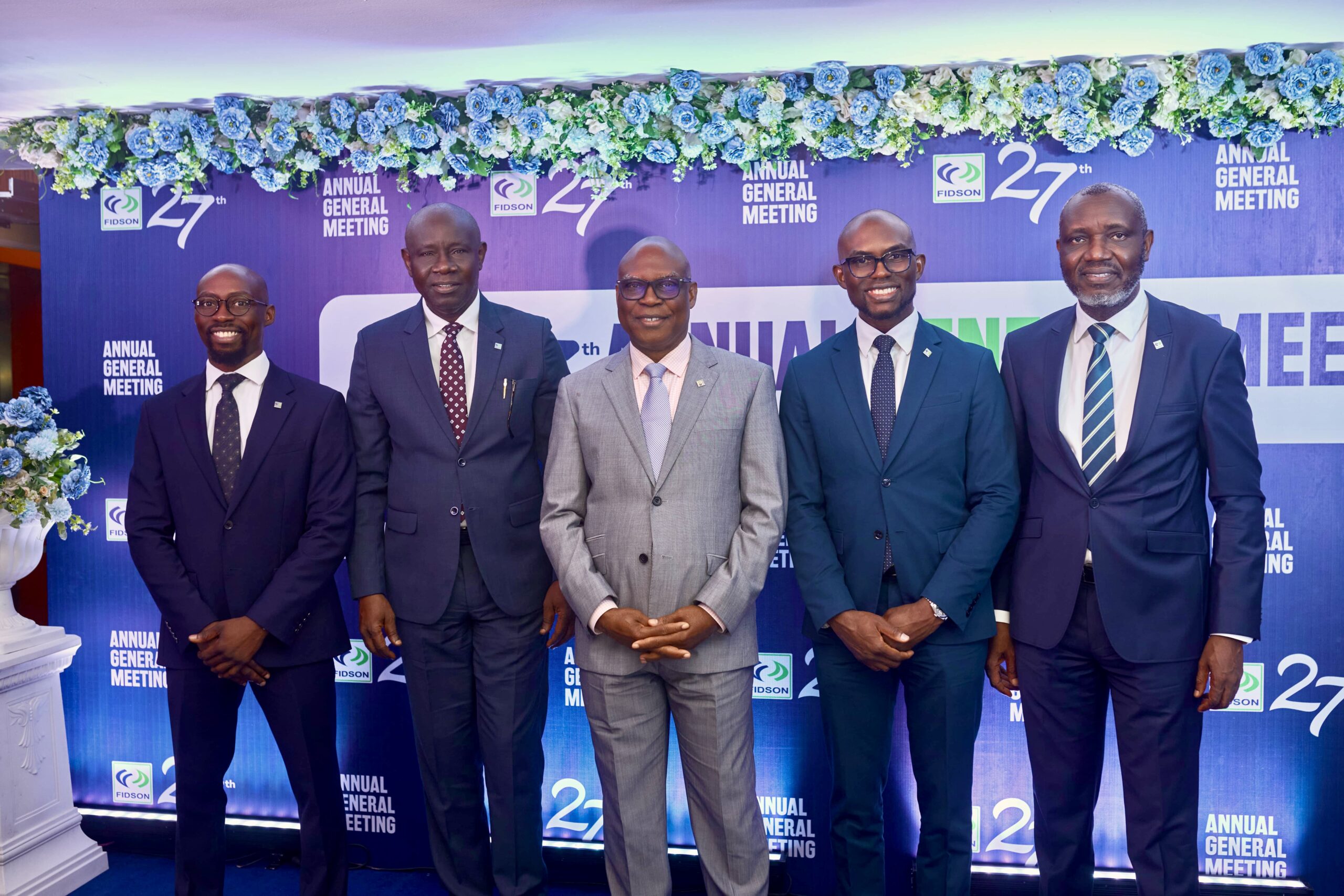

Shareholders of the largest pharmaceutical company in Nigeria, Fidson Healthcare Plc, approved a dividend of ₦1.50 per 50 kobo ordinary share, amounting to ₦3.6 billion, at the Company’s 27th Annual General Meeting held virtually on Thursday, 30 July.
The approval comes against the backdrop of a year in which the company achieved key milestones in its growth trajectory. It also coincides with the one-year anniversary of the smooth transition of leadership at both the Board and Management level — a transition shareholders acknowledged as a testament to Fidson’s strong corporate governance culture and succession planning. It also reflects shareholders’ confidence in the Company’s continued ability to deliver sustainable value despite a challenging operating environment.
The Founder and Chairman of Fidson, Fidelis Ayebae, in his address to shareholders, said 2025 marked a defining year in the history of the Company.
“We recorded revenue of ₦119.06 billion, becoming the first pharmaceutical company in Nigeria to surpass the ₦100 billion annual revenue milestone. This achievement reflects the dedication of our people, the confidence of our shareholders, and the effectiveness of our long-term growth strategy.”
Also recognising critical enablers of the business, Mr Ayebae expressed his profound gratitude to the Federal Government of Nigeria for improving the operating environment for local pharmaceutical manufacturers through strategic policies that have strengthened the ability of industry players like Fidson to meet the high demand for pharmaceutical products at affordable prices for Nigerians.


Mr Ayebae added that, beyond financial performance, the Company continued to make strategic investments that will shape the future of healthcare manufacturing in Africa. He said:
“Our ongoing expansion projects have reached advanced stages and, upon completion, will position Fidson as the largest and most sophisticated pharmaceutical manufacturing company in Sub-Saharan Africa. We are confident that Fidson is well-positioned to deliver sustainable growth, deepen healthcare access, and continue to create superior value for our shareholders and all stakeholders.”
Responding to questions and comments from shareholders, the Managing Director/Chief Executive Officer, Biola Adebayo, reaffirmed the Company’s commitment to sustaining growth through innovation, manufacturing excellence, and strategic investments.
“Our focus remains clear—to deepen our manufacturing capabilities, widen our product portfolio, improve market penetration, and build a healthcare institution that delivers value to consumers, healthcare professionals, shareholders, and society at large. We will achieve this by leveraging emerging opportunities across Africa and continually strengthening our processes for sustainable growth.”

Shareholders who spoke during the meeting commended the Board and Management for maintaining the Company’s growth trajectory and a dividend policy that rewards investors while preserving adequate resources for future expansion. They also expressed confidence in the management’s ability to build on existing achievements and further strengthen Fidson’s position as the leading pharmaceutical manufacturing company in Nigeria.
In addition to approving the dividend, shareholders considered and approved the resolutions presented at the AGM, including the election and re-election of directors, authorisation to fix auditors’ remuneration, and the election of members of the Statutory Audit Committee, further reinforcing the Company’s commitment to transparency, accountability, and sound corporate governance.
The meeting also highlighted Fidson’s continued commitment to accessible shareholder engagement through the use of electronic annual reports, e-dividend platforms, and virtual AGM participation, enabling shareholders to participate more conveniently in the affairs of the Company.
As Fidson Healthcare Plc moves into a new phase of growth, the Company remains committed to its vision of adding value to lives through quality pharmaceutical products while delivering sustainable returns to shareholders and contributing meaningfully to the development of Africa’s healthcare ecosystem.
Discover more from Premium Times Nigeria
Subscribe to get the latest posts sent to your email.
The Ebola outbreak caused by the Bundibugyo virus in the Democratic Republic of the Congo (DRC) has intensified, with 3,605 confirmed cases and 1,587 deaths recorded as of 30 July.
In a situation update released on Saturday, the World Health Organisation (WHO) warned that sustained transmission and the disease’s expanding geographical spread continue to fuel what has become the country’s largest Ebola outbreak on record.
The agency said the rapid rise in infections and deaths highlights the urgent need to scale up response efforts.
Outbreak reaches five provinces
WHO said the outbreak was initially confined to the Mongbwalu Health Zone in Ituri Province but has expanded significantly over the past two months.
The virus has now spread across five provinces, including Ituri, North Kivu, South Kivu, Haut-Uélé, and Tshopo, affecting 49 health zones.
According to the agency, epidemiological week 30 recorded the highest weekly figures since the outbreak began, with 567 confirmed cases and 296 deaths.
“The continued increase in cases, expanding geographic spread, and persistently high mortality underscore the rapidly evolving nature of this public health emergency,” WHO said.
The organisation added that the outbreak’s rapid growth highlights the need for a substantial scale-up of response efforts to bring transmission under control.
Response hampered by insecurity
The health agency said insecurity, population displacement, high population mobility and frequent cross-border movements continue to complicate response operations and increase the risk of further spread within the region.
It noted that the Congolese government, WHO and its partners have intensified surveillance, case management, contact tracing, community engagement and other emergency response measures.
However, the agency stressed that significantly more resources are required to keep pace with the growing outbreak.
“National authorities in the DRC, in collaboration with WHO and partners, continue to implement extensive response measures. However, a substantial scaling up of response activities is needed to get ahead of the outbreak,” it said.
WHO added that a regional preparedness and prioritisation framework remains in place to strengthen readiness and response efforts across African countries at risk.
Uganda declares outbreak over
Meanwhile, Uganda has officially declared an end to its Bundibugyo virus disease outbreak after completing 42 consecutive days without a new locally transmitted confirmed case.
According to WHO, Uganda’s Ministry of Health made the declaration on 28 July after the last locally transmitted patient was discharged from treatment on 16 June.
The agency noted that the country’s most recent imported case was discharged on 16 July after testing negative twice for the virus.
In line with international guidelines, WHO said it will continue to monitor Uganda for another 42 days from that date to ensure that no undetected chains of transmission remain.
Despite declaring the outbreak over, WHO warned that Uganda remains at risk of new imported infections because of ongoing transmission in neighbouring DRC.
The agency urged countries in the region to maintain heightened surveillance, preparedness, and infection-prevention measures, particularly in border communities where population movement remains high.
Nigeria on alert
The worsening outbreak comes as Nigerian health authorities continue to strengthen preparedness measures against a possible importation of the virus.
PREMIUM TIMES recently reported that the Nigeria Centre for Disease Control and Prevention (NCDC) classified the risk of Ebola importation into the country as high, despite there being no confirmed case in Nigeria.
The agency attributed the elevated risk to ongoing transmission in the DRC and neighbouring countries, international travel, porous land borders and regional population movements.
The NCDC has also directed states to intensify surveillance, strengthen screening at points of entry, improve infection prevention and control in health facilities, and ensure rapid detection and isolation of suspected cases.
READ ALSO: CEPI begins first human trial of Bundibugyo Ebola vaccine
Echoes of the 2014 outbreak
The resurgence of Ebola in Central Africa also revives memories of Nigeria’s successful containment of the disease in 2014 after an infected Liberian-American traveller, Patrick Sawyer, introduced the virus into Lagos.
Health experts, however, have warned that the ongoing outbreak in the DRC presents a different challenge because it involves the Bundibugyo strain, unlike the Zaire strain responsible for the 2014 West African epidemic.
Unlike the Zaire strain, there is currently no licensed vaccine or approved targeted therapy for Bundibugyo virus disease, making early detection and strong public health measures even more critical.
Discover more from Premium Times Nigeria
Subscribe to get the latest posts sent to your email.
-

 News4 days ago
Prophet El-Buba Boosts Peace Ambassadors JTF with Security Outposts, CCTV and Patrol Bikes
-
News3 days ago
Abia N150m campaign billboard fee, APC agenda against opposition – Kenneth Okonkwo
-
News4 days ago
Anthropic says its own AI models breached three companies during security tests
-
News4 days ago
2027: Defections, reconciliation moves reshape Niger’s political landscape