Health
97% of PHCs in 16 states fail national staffing standards – Report


A new assessment of 1,480 Primary Healthcare Centres (PHCs) across 16 Nigerian states has found that 97 per cent failed to meet the national minimum staffing requirement, raising fresh concerns about the capacity of the country’s frontline health facilities to provide essential services.
The PHC Operational Capability Report, produced by Orodata Science and Civic Tech, assessed facilities across 277 local government areas in Nigeria’s six geopolitical zones.
The assessment, conducted between October 2023 and June 2025, examined staffing, infrastructure, equipment, electricity, water supply and accessibility using the CheckMyPHC Digital Scorecard.
According to the report, only three per cent of the facilities assessed met the national minimum staffing requirement, while 11 of the 16 states had no assessed PHC that met the standard.
What the staffing standard requires
The national PHC framework recognises adequate staffing as essential to the delivery of quality primary healthcare.

The National Primary Health Care Development Agency’s (NPHCDA) Ward Minimum Health Care Package, developed with the World Health Organisation (WHO), outlines minimum manpower requirements for ward-level PHCs.
For a PHC, the proposed workforce includes a community health officer, public health nurse, three community health extension workers, six junior community health extension workers and four nurse/midwives, with a medical assistant listed as optional.
The same framework recommends that basic essential obstetric care centres be adequately staffed with four midwives or nurse/midwives to provide 24-hour coverage for maternal and newborn care.
Against this staffing framework, the Orodata assessment found that only three per cent of the facilities surveyed met the national minimum requirement.
The report said the shortage was particularly concerning because about 75 per cent of the assessed PHCs were located in rural communities, where such facilities often serve as the first and sometimes only formal source of healthcare for residents.
Staffing gaps, other deficiencies
The staffing problem was not isolated.
The assessment found that many of the facilities struggling to meet staffing requirements were also dealing with inadequate infrastructure and unreliable basic utilities.
According to the report, 40 per cent of the PHCs had broken ceilings or leaking roofs, while 38 per cent operated without electricity.
Water supply was another major concern, with 39 per cent of the facilities relying on unsafe water sources.
Orodata said the deficiencies were interconnected, with poor infrastructure, inadequate staffing, unreliable electricity and water supplies, limited equipment and accessibility barriers often occurring within the same facilities.
The report said the combination could increase risks for patients while placing additional pressure on the health workers available at the facilities.
Newborn care faces major equipment gaps
The assessment also exposed gaps in the capacity of PHCs to respond to complications during childbirth.
It found that 75 per cent of the facilities lacked essential neonatal resuscitation equipment.
Such equipment is required to support emergency interventions for newborns experiencing complications during or immediately after delivery.
The report said the absence of essential newborn-care equipment, alongside staffing shortages and other infrastructure deficiencies, could limit the ability of facilities to provide safe maternal and newborn services.
Accessibility was also a major concern.
According to the assessment, 66 per cent of the PHCs lacked provisions for persons with disabilities and people with mobility challenges.
State-level differences emerge
While the overall findings showed widespread deficiencies, the severity varied across the states assessed.
The report identified Kano and Sokoto as having particularly serious gaps in safe water, reliable electricity and essential newborn-care equipment.
In Gombe, 80 per cent of the assessed PHCs lacked accessibility provisions for persons with disabilities and people with mobility challenges.
The assessment also sought to establish how residents viewed the services provided by their local facilities.
It found that 51 per cent of surveyed community members rated services at their local PHCs as poor.
PHC challenges
The findings are consistent with concerns documented by PREMIUM TIMES in a recent investigation into rural PHCs in Osun State.
The investigation found that despite government investments in the health sector and efforts to revitalise primary healthcare facilities, challenges including inadequate staffing, deteriorating infrastructure, limited equipment and gaps in essential services persisted at some rural facilities.
At one of the facilities visited by PREMIUM TIMES, a single health worker was responsible for attending to pregnant women, children and other patients, while also responding to emergencies outside normal working hours. The facility also lacked a functional laboratory and had inadequate delivery equipment.
The investigation further found that some patients had to travel outside their communities for basic services because the facilities could not provide them.
READ ALSO: Over 30% of solar systems in PHCs fail within three years — Health Minister
Coordinated interventions
Orodata said improving PHCs would require coordinated interventions beyond isolated renovations.
It urged state governments to develop facility-specific plans with clear targets, responsibilities, resources and timelines, alongside regular monitoring.
The organisation also recommended repairs to damaged infrastructure, provision of safe water and reliable electricity, solar or hybrid power systems, recruitment and retention of health workers, and essential neonatal resuscitation equipment for PHCs offering delivery services.
The assessment involved facility visits, direct observation, interviews with health workers and community members, photographs, GPS coordinates and facility records.
Orodata said its CheckMyPHC Digital Scorecard was based on NPHCDA minimum standards and inclusion requirements, and urged authorities to use verified facility-level evidence to guide resource allocation and interventions.
Discover more from Premium Times Nigeria
Subscribe to get the latest posts sent to your email.







The Chairman of the Senate Committee on Health, Ipalibo Banigo, has called for increased investment in Nigeria’s health sector, saying the country remains below its commitments to healthcare financing.
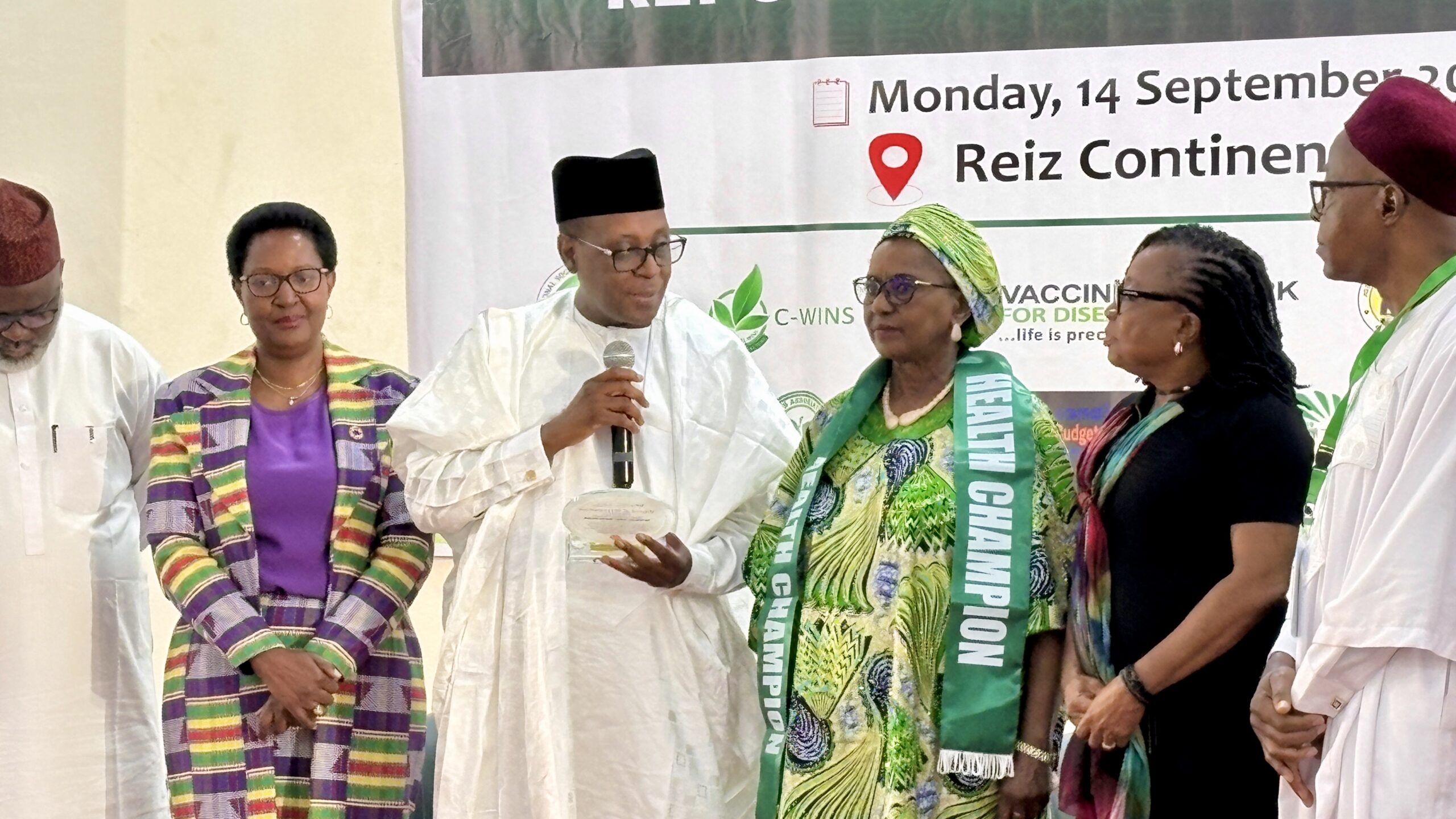
Ms Banigo made the call on Monday in Abuja after she was recognised as the Health Champion 2026 at the Health Sector Reform Coalition (HSRC)/Nigeria Universal Health Coverage (UHC) Civil Society Organisations-Media Mid-Year Review of Nigeria’s Health Sector Reforms.
The event brought together government representatives, civil society organisations, development partners and media professionals to review progress on health-sector reforms and efforts to improve health outcomes in Nigeria.
Increased health investment
Receiving the recognition, Ms Banigo, a medical doctor and senator representing Rivers West Senatorial District, said Nigeria still had significant ground to cover in meeting its health-financing commitments.
She noted that despite the country’s commitment under the Abuja Declaration to allocate 15 per cent of its annual budget to health, actual government spending remains considerably below that benchmark.
“We are not up to the 15 per cent declaration, the Abuja Declaration; we are not there yet. Even at six per cent, we are not close to it,” she said.
She stressed that stronger efforts were needed to increase domestic financing for healthcare.
Her call comes as the National Assembly continues to pursue legislative measures to expand domestic resources available for healthcare.
Legislative
One of the measures sponsored by Ms Banigo is the National Health Act (Amendment) Bill, which seeks to increase the allocation to the Basic Health Care Provision Fund (BHCPF) from one per cent to two per cent of the Consolidated Revenue Fund.
The BHCPF is intended to support the delivery of basic healthcare services, particularly through primary healthcare facilities.
Beyond the BHCPF, Ms Banigo has also sponsored the Sugar-Sweetened Beverages (SSB) Tax Bill, which seeks to replace the existing flat-rate levy on sugary drinks with a percentage-based levy linked to retail prices.
The Senate passed the bill in June 2026.
Under the proposed framework, revenue generated from the levy would support health promotion, disease prevention and primary healthcare.
Health advocacy
The Health Champion 2026 recognition was presented to Ms Banigo for her advocacy and legislative contributions to Nigeria’s health sector.
Presenting the plaque, the Coordinating Minister of Health and Social Welfare, Muhammad Pate, applauded her contributions and encouraged her to sustain the effort.
Mr Pate’s commendation came as stakeholders at the event reviewed ongoing reforms to improve health financing and health outcomes across the country.
READ ALSO: Tax reforms, economic growth critical to Nigeria’s health financing – Official
Ms Banigo expressed appreciation to the organisers, government representatives, civil society organisations, development partners, media professionals and other stakeholders involved in the review.
Ms Banigo said the recognition had further strengthened her resolve to continue supporting policies and reforms aimed at improving healthcare delivery in Nigeria.
Discover more from Premium Times Nigeria
Subscribe to get the latest posts sent to your email.
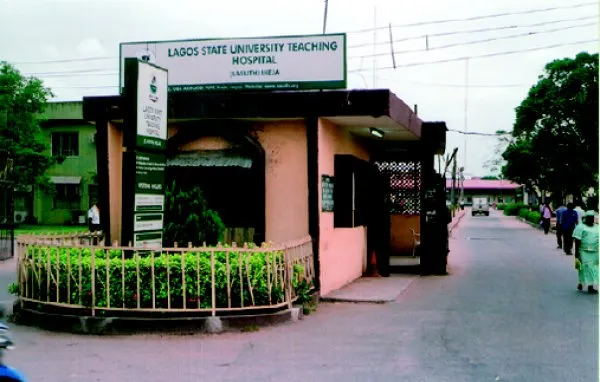
The Nigerian Association of Resident Doctors (NARD) has backed the ongoing strike by resident doctors at the Lagos State University Teaching Hospital (LASUTH).
NARD in a press release issued on 12 September and signed by its President, Mohammad Suleiman, called on Governor Babajide Sanwo-Olu and the Lagos State Ministry of Health to intervene.
NARD said it is in “full solidarity” with the Association of Resident Doctors, Lagos State University Teaching Hospital (LASUTH-ARD), and supported its demands.
It noted that the unresolved welfare concerns had disrupted medical services at the tertiary hospital.
It called on the state government to address the doctors’ grievances and “avert a prolonged crisis” that could affect healthcare delivery in Lagos.
Doctors’ demands
According to NARD, the unresolved issues include the non-payment of specialist allowance for Grade Level 14 resident doctors, also known as Senior Registrars 1 (SR1).
The association also cited outstanding salary shortfalls and advancement arrears, as well as 25 months of arrears arising from the delayed implementation of the revised Professional Allowance Table.
NARD further raised concerns about discrepancies in recent salary payments, calling for the immediate release of full salary breakdowns to ensure transparency.
The association said, the concerns persisted despite previous acknowledgements and agreements with the state government.
“Our colleagues at LASUTH have shown immense patience and dedication, but the persistent failure to honour agreements leaves them with no choice,” NARD said.
It urged the government to meet the demands and restore normal medical operations.
Background
The latest strike followed earlier disagreements between LASUTH resident doctors and the Lagos State government over welfare and remuneration.
LASUTH-ARD had embarked on a three-day warning strike from 15 to 17 June 2026, citing concerns including the implementation of the Professional Allowance Table, payment of specialist allowance to Grade Level 14 resident doctors, salary shortfalls and advancement arrears.
The doctors also demanded the resumption of construction of resident doctors’ quarters within LASUTH.
Following the warning strike, the doctors said several meetings were held with government officials, with assurances that the specialist allowance for SR1 doctors would be incorporated into the Professional Allowance Table.
LASUTH-ARD also said the issue was discussed with Governor Sanwo-Olu during a meeting on 17 July.
However, the doctors later said the specialist allowance was not reflected in the August salaries of affected members, prompting further disagreement with the government.
In August, LASUTH-ARD gave the Lagos State government a seven-day ultimatum to resolve the issues, warning that failure to do so could lead to further industrial action.
ALSO READ: NMA warns of wider health crisis as LASUTH doctors’ strike enters second day
The association demanded the implementation and payment of the specialist allowance, payment of outstanding arrears and settlement of salary shortfalls and advancement arrears.
NARD warns against escalation
NARD said the Lagos State government must treat the industrial action with urgency to prevent further escalation.
The association called on Governor Sanwo-Olu and the state Ministry of Health to intervene directly and resolve the outstanding issues.
It said continued delays could threaten patient care and stability in the state’s health system.
“NARD stands shoulder-to-shoulder with LASUTH-ARD until the issue is fully resolved,” the association said.
The doctors’ association urged the government to address the grievances and restore normal medical operations across the health system.
Discover more from Premium Times Nigeria
Subscribe to get the latest posts sent to your email.
-

 Business2 days ago
FG settles severance benefits for 2,100 former Nigeria Airways workers after two decades
-
News2 days ago
Revolut confirms customer data breach through fake government requests
-
Health3 days ago
PT Health Watch: How laboratory tests can help detect colorectal cancer early
-
News3 days ago
Mecka AI nears $500M valuation in Sequoia-led deal amid rush for robot training data