News
2 Days to Go: The Wait Is Almost Over… Can Team Nigeria Write Another Golden Chapter in Glasgow?


In just two days, the eyes of the sporting world will turn to Glasgow, Scotland, as more than 3,000 athletes representing 74 Commonwealth Games Associations gather for the 2026 Commonwealth Games, competing for 215 gold medals across 11 sports.
Among them will be Team Nigeria, one of the Commonwealth’s most respected sporting nations, carrying not only the dreams of millions of Nigerians but also a legacy built over more than seven decades of excellence.
Since making its Commonwealth Games debut in Auckland, New Zealand, in 1950, Nigeria has grown into one of the competition’s traditional powerhouses. From Joshua Majekodunmi’s historic silver medal in the high jump to the country’s dominance in wrestling, athletics, weightlifting, boxing and para powerlifting, Team Nigeria has consistently demonstrated that talent, resilience and determination are part of its sporting identity.
Today, Nigeria’s Commonwealth record stands proudly at 271 medals—82 gold, 84 silver and 105 bronze—placing the nation among the Games’ most successful competitors.
Every medal tells a story.
Every gold represents years of sacrifice.
Every podium finish reflects the determination of athletes who carried the Green and White with pride.
This year’s Games present another opportunity to strengthen that remarkable record.
The National Sports Commission (NSC) has challenged Team Nigeria to pursue an ambitious target of 20 gold medals, a feat that would surpass the country’s previous best gold-medal performance of 12, achieved at the Birmingham 2022 Commonwealth Games. It is a bold target, but one inspired by months of careful planning, improved athlete welfare, world-class preparation and encouraging performances on the international circuit.
Preparation has been meticulous.
For weeks, Team Nigeria has trained and acclimatized in Aberdeen, fine-tuning tactics, sharpening fitness and adapting to Scottish conditions before beginning the final move into the Games Village in Glasgow. The NSC has backed the delegation with technical, medical and welfare support, ensuring athletes arrive ready to perform when competition begins.
Confidence has also been boosted by recent performances.
Sprint sensation Kayinsola Ajayi heads into the Games after equalling the Nigerian 100m record of 9.84 seconds for the third time this season with a stunning victory at the London Diamond League. In para powerlifting, Nigeria once again looks to stars like Folashade Oluwafemiayo, one of the country’s most decorated athletes, as the team targets an early medal when the sport opens competition.
These performances have reinforced belief that Team Nigeria possesses both the experience of established champions and the hunger of emerging stars eager to make their mark on the Commonwealth stage.
Scotland itself is no stranger to the Games.
This will be the fourth time the country has hosted the Commonwealth Games, following Edinburgh 1970, Edinburgh 1986, and the hugely successful Glasgow 2014. Once again, the city is preparing to welcome the Commonwealth family for 11 days of world-class competition, unforgettable moments and sporting excellence.
For Nigeria, however, Glasgow is more than another host city.
It is another opportunity to inspire.
Another chance to raise the national flag.
Another chance to hear the Nigerian anthem echo across medal ceremonies.
Across the country, the anticipation continues to grow. Families are preparing to cheer from their homes, young athletes are looking for heroes to emulate, and a nation waits to celebrate the next generation of champions.
The waiting is almost over.
The training is complete.
The countdown is nearly finished.
Now comes the moment every athlete has worked for.
Two days from now, Team Nigeria will step onto the Commonwealth stage once again—not just to compete, but to continue a legacy that has already delivered 82 gold medals and 271 podium finishes.
The next chapter begins in Glasgow.
2 Days to Go. The Stage Is Set. The Green and White Are Ready.





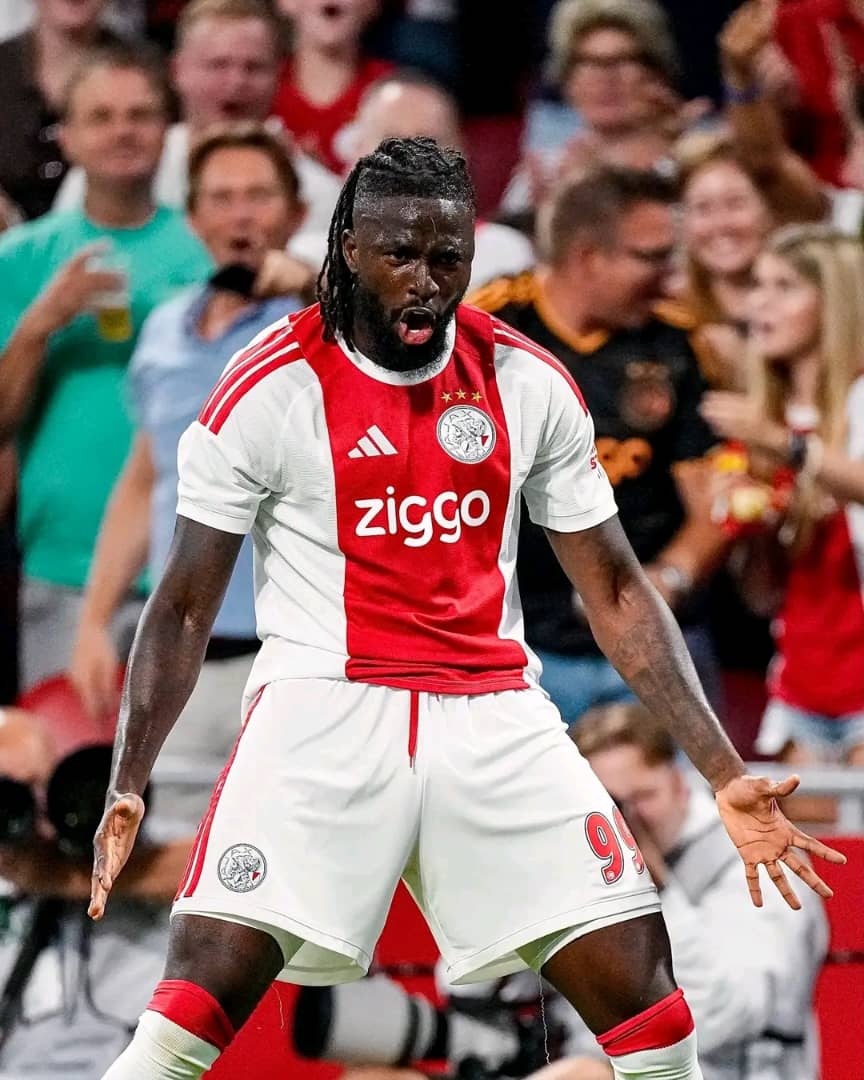
Nigerian striker Tolu Arokodare continued his impressive goalscoring form, netting his seventh goal of the season as AFC Ajax were held to a 1-1 draw by NEC Nijmegen in their Dutch Eredivisie encounter at the Johan Cruijff Arena in Amsterdam.
Sports247 reports that the Super Eagles forward wasted little time making his presence felt, opening the scoring in the seventh minute to give Ajax an early advantage in front of their home supporters.
Arokodare finished off an attacking move created by Jorthy Mokio, whose assist provided the Nigerian striker with the opportunity to register another important goal in his campaign.
The early breakthrough appeared to put Ajax in control, with the Amsterdam giants hoping to capitalise on their advantage and secure maximum points.
However, NEC Nijmegen responded just 12 minutes later when Tjaronn Chery converted from the penalty spot in the 19th minute to restore parity.
The equaliser brought the visitors back into the contest and ensured that both teams remained level despite Ajax’s promising start.
With the scoreline standing at 1-1, the hosts were unable to find another breakthrough, eventually settling for a share of the points at the Johan Cruijff Arena.
For Arokodare, the goal represented another significant contribution in what has been a productive season in front of goal.
The Nigerian international has continued to demonstrate his ability to find scoring opportunities and convert chances, with his seventh goal further underlining his importance to Ajax’s attacking ambitions.
Despite his individual success, the result will be disappointing for the Amsterdam-based club, which failed to turn an early advantage into a victory.
Following the draw, Ajax occupy fifth position in the Eredivisie standings with 15 points, five points behind league leaders Feyenoord.
The gap highlights the importance of securing victories as Ajax look to maintain their challenge near the top of the Dutch league table.
While the dropped points represent a setback for the hosts, Arokodare’s goalscoring consistency remains a positive development as the campaign progresses.
The Nigerian striker will now be hoping to maintain his impressive form and help Ajax return to winning ways in their upcoming fixtures.
For Nigerian football followers, Arokodare’s latest goal provides another encouraging sign of his attacking qualities, even though his contribution was not enough to secure all three points.
Seven goals and counting — Arokodare continues to deliver in front of goal, but Ajax must find greater consistency to close the gap on the Eredivisie leaders.

The Independent National Electoral Commission, INEC, has published the final list of all governorship candidates across the federation.
INEC unveiled the list on Saturday ahead of next year’s general elections.
Below is the final list based on the various states participating in the 2027 polls:
ABIA
AAC – Umezurike Doris Uzumma – 39 Yrs
ADC – Kalu Kalu Agu – 53 Yrs
ADP – Ikechukwu George Nwachukwu – 43 Yrs
APC – Opah Eric Chinemeucheya – 55 Yrs
APGA – Ijioma Uchechukwu Charles – 52 Yrs
APM – Umunnah Victor Jireh – 51 Yrs
APP – Ijioma Nwokoro Ijioma – 63 Yrs
LP – Otti Alex Chioma – 61 Yrs
NDC – Ogah Iroetugo Ndubuisi – 53 Yrs
NDP – Leo Onyekwere – 61 Yrs
NNPP – Anthony Kelechi Apugo – 56 Yrs
NRM – Jerry Jerry – 61 Yrs
PDP – Anosike Kelechi – 52 Yrs
SDP – Obasi Uba Ekeagbara – 55 Yrs
ZLP – Onukwue Prince Chibunna – 50 Yrs
ADAMAWA
A – Cholli Yahaya – 43 Yrs
AA – Dawa Philip B – 44 Yrs
AAC – Hussaini Sulaiman Tahir – 71 Yrs
ADC – Modibbo Hammantukur Ribadu – 59 Yrs
ADP – Umaru Babangida Bajabure – 46 Yrs
APC – Aminu Ahmed Galadima – 62 Yrs
APGA – Bashir Suleiman Alhaji – 47 Yrs
APM – Abdulrahman Bashir Haske – 36 Yrs
APP – Aliyu Suleiman – 53 Yrs
DLA – Tame Vadlya Tizhe – 50 Yrs
LP – Ishaku Elisha Cliff – 46 Yrs
NDC – Dahiru Aishatu Ahmed – 55 Yrs
NNPP – Bundi Ahmadu Pius – 39 Yrs
NRM – Samuel Faith Monday – 41 Yrs
PDP – Vunobolki Maurice Michael – 54 Yrs
SDP – Nathaniel Christopher Osim – 64 Yrs
YPP – Theman Wafarninyi – 55 Yrs
ZLP – Alahirah Maimako – 68 Yrs
AKWA IBOM
A – Akpan Ignatius Cyril – 43 Yrs
AA – Otong Edidiong Effiong – 46 Yrs
AAC – Udoh Stephen Mfon – 46 Yrs
ADC – John James Akpanudoedehe – 62 Yrs
ADP – Archibong Inimbom Nsikak – 39 Yrs
APC – Eno Umo Bassey – 62 Yrs
APGA – Jimmy Stella Monday – 41 Yrs
APM – Udokpan Nsidibe Sampson – 61 Yrs
APP – Umoh Emem – 36 Yrs
BP – Ekpenyong Akaninyene Efiong – 52 Yrs
DLA – Akpan Jeremiah Udoh – 48 Yrs
LP – Mbaba Michael Bush – 55 Yrs
NDC – Enyong Michael Okon – 57 Yrs
NDP – Akpan Michael Udo – 58 Yrs
NNPP – Inemesit Edem Akpan – 50 Yrs
NRM – Ekong Mfon Udo – 52 Yrs
PDP – Brownson Ibanga Akpan – 48 Yrs
PRP – George Mfonobong Edet – 45 Yrs
SDP – Effiong Asuomo Rosemary – 49 Yrs
ZLP – Umo Blessing Okon – 48 Yrs
BAUCHI
AAC – Adamu Abdullahi – 61 Yrs
ADC – Halliru Dauda Jika – 50 Yrs
ADP – Shehu Jinda Yunusa – 41 Yrs
APC – Abubakar Mohammed Abdullahi – 69 Yrs
APGA – Naziru Usman – 42 Yrs
APM – Adamu Yakubu – 46 Yrs
APP – Abdulhamid Kabiru Shuwa – 54 Yrs
LP – Aliyu Idris Muhammad – 36 Yrs
NDC – Kashim Ibrahim Muhammad – 65 Yrs
NDP – Haruna Muhammad Ningi – 53 Yrs
NRM – Zaharaddin Muhammad Muhammad – 37 Yrs
PDP – Adamu Usman Ahmed – 48 Yrs
PRP – Umar Shehu Buba – 50 Yrs
YPP – Aliyu Umar A.g – 37 Yrs
ZLP – Babageidam Lami – 56 Yrs
BENUE
ADC – Hembe Iorwase Herman – 51 Yrs
ADP – Nyibiam Kwaghshir – 44 Yrs
APC – Alia Hyacinth Iormem – 60 Yrs
APM – Adagba D. Iorhen – 37 Yrs
APP – Ujah Mercy Engole – 43 Yrs
DLA – Ochenehi Dominic – 44 Yrs
LP – Byuan Mathias Terwase – 51 Yrs
NDC – Shija Terhemba – 65 Yrs
NRM – Wombo Terese Paul – 35 Yrs
PDP – Aondoakaa Michael Kaase – 64 Yrs
PRP – Chenge Roseline Ada – 55 Yrs
ZLP – Ogbe Simon Ocheme – 35 Yrs
BORNO
AA – Goni Bulama – 37 Yrs
ADC – Babagana Buhari – 58 Yrs
ADP – Monguno Rufai Alhaji – 56 Yrs
APC – Gubio Alhaji Mustapha – 52 Yrs
APM – Ahmad Tijjani Isah – 46 Yrs
APP – Garga Bukar – 46 Yrs
LP – Konto Umar – 56 Yrs
NDC – Ibrahim Sanusi Kashim – 50 Yrs
NNPP – Muhammad Bukar – 58 Yrs
NRM – Mustapha Umar Mustapha – 39 Yrs
PDP – Abba-Gana Ibrahim Baba – 53 Yrs
SDP – Abba Alhaji Modu – 48 Yrs
ZLP – Abdulhakeem Muhammad – 39 Yrs
CROSS RIVER
AA – Ali Patrick – 58 Yrs
ADP – Joelyne Ita Hogan-Bassey – 39 Yrs
APC – Otu Bassey Edet – 66 Yrs
APM – Esege Ntami Nkanu – 46 Yrs
APP – Nya Basil Bassey – 35 Yrs
LP – Obu Ogar Osim – 49 Yrs
NRM – Chigbe Chioma Vivian – 46 Yrs
PDP – Archibong Arthur Javis – 64 Yrs
EBONYI
ADC – Ukpai Mba Udeh – 44 Yrs
ADP – Okorie Ogochukwu – 39 Yrs
APC – Nwifuru Ogbonna Francis – 51 Yrs
APGA – Nwodom Lucy Chinwe – 44 Yrs
APP – Nwankwo Martha Ebere – 54 Yrs
DLA – Ubasinachi Destiny Chimeremeze – 41 Yrs
LP – Eze Oko Splendour – 46 Yrs
NDC – Igwe Nwagu Paulinus – 67 Yrs
NNPP – Ojeogu Ifeanyi Stephen – 47 Yrs
PDP – Chukwuma Odii Ifeanyi – 51 Yrs
SDP – Agbo Kingsley Obinna – 49 Yrs
ZLP – Nwinyinya Juliet – 50 Yrs
ENUGU
A – Alor Edwin Ikechukwu – 62 Yrs
ADC – Ocho Obodoeze Chukwuma – 53 Yrs
ADP – Ayogu Sam Ayogu – 62 Yrs
APC – Mbah Peter Ndubuisi – 54 Yrs
APM – Ikeh Ken – 54 Yrs
APP – Ani Afamefuna Samuel – 49 Yrs
BP – Nnamani Obioma Nnaemeka – 43 Yrs
DLA – Ugwu Nnamdi – 52 Yrs
LP – Ugwu Okwudilichukwu Chukwudera – 59 Yrs
NDC – Ohaa Chinyeaka Christian – 65 Yrs
NNPP – J. Nnaji – 58 Yrs
NRM – Okonkwo Christopher Ndubuisi – 61 Yrs
PDP – Nnaji Uchechukwu Geoffrey – 63 Yrs
SDP – Iloka Friday – 44 Yrs
YPP – Udeani Anthony Ifeanyi – 52 Yrs
ZLP – Ugwoke Elvis Chinazam – 40 Yrs
GOMBE
A – Madaki Auwal Haruna – 46 Yrs
AAC – Benson Bobo Bagwiba – 38 Yrs
ADC – Bala Bello – 58 Yrs
ADP – Adeh Nuhu Milah – 72 Yrs
APC – Gwamna Jamil Isyaku – 60 Yrs
APM – Lemela Lenos Silas – 67 Yrs
APP – Yahaya Bappaji – 53 Yrs
DLA – Sani Muhammad – 51 Yrs
LP – Muazu Zubairu Halilu – 66 Yrs
NDC – Ardo Babayo Kumo – 62 Yrs
NDP – Aliyu Adamu Danmacca – 38 Yrs
NNPP – Abdullahi Maikano Umar – 48 Yrs
NRM – Yahya Bashir – 46 Yrs
PRP – Ibrahim Abubakar Jalo – 35 Yrs
SDP – Ma’aji Adamu Muhammed – 58 Yrs
ZLP – Gana Aliyu Muhammad – 57 Yrs
JIGAWA
AA – Usman Ismail – 50 Yrs
ADC – Sabo Mohammed Nakudu – 66 Yrs
ADP – Sulaiman Ibrahim – 63 Yrs
APC – Namadi Umar A. – 63 Yrs
APGA – Yero Ahmed – 66 Yrs
APM – Umar Ahmad – 35 Yrs
APP – Musa Mubarak – 44 Yrs
LP – Abdul’aziz Aminu – 51 Yrs
NDC – Dutse Aminu Sani – 58 Yrs
NRM – Aminu Hassan Ibrahim – 58 Yrs
PDP – Sule Mustapha Lamido – 43 Yrs
PRP – Ahmed Adamu Kaugama – 76 Yrs
SDP – Musa Namadori Garba – 60 Yrs
KADUNA
AA – Adamu Alhaji Ahamed – 65 Yrs
ADC – Isa Mohammed Ashiru – 63 Yrs
ADP – Solomon John Yayock – 38 Yrs
APC – Sani Uba – 55 Yrs
APGA – Tukur Rabiu – 39 Yrs
APM – Haruna Yunusa Saeed – 66 Yrs
DLA – Chado Adamu Idrisu – 43 Yrs
LP – Rilwanu Muhammad Lawal – 52 Yrs
NDP – Ali Godday – 39 Yrs
NNPP – Abubakar Abdullahi – 47 Yrs
NRM – Kallah Yahaya Musa – 41 Yrs
PDP – Bawa Shehu Usman – 53 Yrs
PRP – Abdulfattah Muhammad Aminu – 66 Yrs
SDP – Idris Adamu Abubakar – 62 Yrs
YPP – Mohammed Jamila – 44 Yrs
ZLP – Makama Yahaya – 40 Yrs
KANO
A – Gashash Mukhtar – 56 Yrs
AA – Haruna Abdullahi – 52 Yrs
AAC – Sharif Abba – 52 Yrs
ADC – Ibrahim Ali Amin – 62 Yrs
ADP – Muhammad Abdullahi – 48 Yrs
APC – Yusuf Abba Kabir – 63 Yrs
APGA – Tijjani Sukairaju Tijjani – 47 Yrs
APM – Muhammad Bashir Galadanchi – 47 Yrs
APP – Tukur Aliyu Malam – 54 Yrs
BP – Ahmad Furera – 45 Yrs
DLA – Bari Mustapha Bello – 56 Yrs
LP – Santuraki Hamisu – 52 Yrs
NDP – Abdullahi Mustapha – 41 Yrs
PDP – Abacha Muhammed Sani – 59 Yrs
PRP – Koguna Nasiru Hassan – 56 Yrs
SDP – Hussaini Bello Ado – 52 Yrs
ZLP – Nuhu Isa – 60 Yrs
KATSINA
AAC – Kado Mashi Babangida – 56 Yrs
ADC – Ahmad Babba Kaita – 58 Yrs
ADP – Ahmed Murtala – 51 Yrs
APC – Umaru Dikko Radda – 57 Yrs
APM – Abdullahi Nura – 62 Yrs
NDC – Ilu-Barde Aliyu – 44 Yrs
NDP – Ahmad Tijani – 43 Yrs
NRM – Sade Salisu – 60 Yrs
PDP – Garba Yakubu Lado – 64 Yrs
PRP – Kabir Hassan Yar’adua – 46 Yrs
SDP – Dansarai Mni Magajio Aliyu – 67 Yrs
KEBBI
A – Muhammed Sani Abdullahi – 57 Yrs
AA – Garba Illo Kabiru – 43 Yrs
AAC – Nataala Nura – 49 Yrs
ADC – Malami Abubakar – 59 Yrs
ADP – Yahaya Ayuba – 56 Yrs
APC – Idris Nasir – 61 Yrs
APGA – Abubakar Suru Abdullahi – 43 Yrs
APM – Usman Kaoje Aliyu – 51 Yrs
APP – Abdullahi Nasiru Maiyaki Illo – 55 Yrs
BP – Umar Isah – 64 Yrs
LP – Usman Aliyu – 55 Yrs
NDP – Ahmadu Zumaru – 53 Yrs
SDP – Umar Faruk – 56 Yrs
ZLP – Basiru Musa – 57 Yrs
KWARA
AA – Kolo Ezekiel – 45 Yrs
ADC – Zakari Mohammed – 56 Yrs
ADP – Adeshina Ajisafe – 49 Yrs
APC – Yakubu Danladi Salihu – 41 Yrs
APGA – Sule Ajayi – 71 Yrs
APM – Jaiyeola Motunrayo – 46 Yrs
APP – Omotosho Bamidele Olaitan – 57 Yrs
NDC – Abdulmumin Yinka Ajia – 51 Yrs
NDP – Deacon Shola Victor Abioye – 69 Yrs
NNPP – Omokanye David Adetoyese – 52 Yrs
PDP – Kawu Sulaiman Bolakale – 57 Yrs
SDP – Apaokagi Ridwan Salahudeen – 53 Yrs
LAGOS
A – Sowore Otitoloju Robert – 58 Yrs
AA – Salawu Kamarudeen – 47 Yrs
AAC – Sol-Nuyi Oluwadamola Adesoca – 55 Yrs
ADC – Gbadebo Rhodes Vivour – 43 Yrs
ADP – Bolaji Nasir Adewale – 73 Yrs
APC – Hamzat Kadri Obafemi – 62 Yrs
APM – Adeoye Adelaja Azeez – 45 Yrs
APP – Adeyemi Abiola – 49 Yrs
LP – Odunaike Oluwapemilerin Olurotimi – 49 Yrs
NDC – Doherty Olufunso Adeshina – 58 Yrs
NDP – Obadia Akinola – 56 Yrs
NNPP – Onifade Ademoyegun Taiwo – 62 Yrs
NRM – Onigbokun Ademola Joseph – 53 Yrs
PDP – Doherty Adedeji Olugbemiga – 64 Yrs
SDP – Olaniyi Olufemi – 52 Yrs
YPP – Taiwo Temitope Elijah – 46 Yrs
ZLP – Peter Helen Ojotule – 36 Yrs
NASARAWA
ADC – Nuhu Angbazo – 59 Yrs
ADP – Christopher Mamman – 64 Yrs
APC – Aliyu Ahmed Wadada – 61 Yrs
APGA – Ibrahim Kasimu Aboh – 61 Yrs
APM – Onawo Mohammed Ogoshi – 74 Yrs
APP – Dahiru Musa Doma – 59 Yrs
LP – Gaza Jonathan Gbefwi – 51 Yrs
NRM – Khalid Muhammad – 55 Yrs
PDP – Emmanuel David Ombugadu – 48 Yrs
PRP – Abdullahi Omame Abisabo – 35 Yrs
SDP – Mohammed Abubakar Adamu – 65 Yrs
YPP – Kigbu Tanko John – 61 Yrs
ZLP – Giza Abubakar Abdu – 69 Yrs
OGUN
A – Okewole Shuaib Olaniyi – 53 Yrs
AA – Awofala Awolola Awoniyi – 60 Yrs
ADC – Lawal Jimi Adebisi – 66 Yrs
ADP – Anifowose Johncrownfit Kayode – 46 Yrs
APC – Adeola Solomon Olamilekan – 57 Yrs
APM – Babajide Rotimi Mathew – 47 Yrs
APP – Layi Labode Halima – 58 Yrs
BP – Adenuga Adekunle Dreher – 60 Yrs
NDP – Dasaolu Oluwaseyi Olamilekan – 42 Yrs
NNPP – Akinbola Hammed Rotham – 44 Yrs
NRM – Fayoyin Olujobi Ezekiel – 39 Yrs
SDP – Ola Willams Adeyinka Penuel – 35 Yrs
YPP – Johnson Cyrus Oluwaseun – 53 Yrs
OYO
A – Oriyomi Hamzat Abdulrahman – 46 Yrs
AAC – Oladele Saheed – 44 Yrs
ADC – Adegoke Taofeek Adegboyega – 62 Yrs
ADP – Olatunji Kunle James – 58 Yrs
APC – Alli Sharafadeen Abiodun – 63 Yrs
APGA – Salami Gbolagade Tajudeen – 58 Yrs
APM – Adekanmbi Abimbola – 53 Yrs
APP – Tijani Ismaila Akinboye – 64 Yrs
LP – Kareem Thompson Sola – 58 Yrs
NDC – Yusuf Akim Adebola – 57 Yrs
NDP – Taiwo Ibiyemi Otegbeye – 59 Yrs
NRM – Afolabi Taofeek Ademola – 60 Yrs
PDP – Gbolarumi Hazeem Ola – 69 Yrs
PRP – Yinusa Kazeem Ayandoye – 52 Yrs
YPP – Adeyemi Idowu Adedeji – 46 Yrs
ZLP – Azzan Waheed Olanrewaju – 66 Yrs
PLATEAU
A – Umaru Ankara Yakubu – 60 Yrs
AAC – Ayuba Adams Pangk – 47 Yrs
ADC – Sura John Sunday – 61 Yrs
ADP – Dawop Sani Sa’idu – 60 Yrs
APC – Mutfwang Caleb Manasseh – 61 Yrs
APGA – Jiga Isa Jarzuka – 61 Yrs
APM – Danauta Kyarshik Samuel – 50 Yrs
APP – Muhammad Aminu Hadi – 38 Yrs
DLA – Yusuf Sani Umar – 50 Yrs
LP – Nura Tanko – 55 Yrs
NDC – Akuns Jonathan Sunday – 64 Yrs
NDP – Yohanna Wilson Yilpan – 37 Yrs
NRM – Cosmas Jarlath – 53 Yrs
PDP – Ropshik Kefas Wungak – 50 Yrs
SDP – Dafup Simput Eagles – 38 Yrs
YPP – Jonathan Dalong Dogara – 37 Yrs
ZLP – Bingel Hurung Philomina – 46 Yrs
RIVERS
A – Chibuzor Israel Rain – 43 Yrs
AAC – West Ivy – 47 Yrs
ADC – Pidomson Gabriel Baritulem – 56 Yrs
ADP – Lawson Anyanate Angel – 50 Yrs
APC – Chinda Kingsley Ogundu – 60 Yrs
APGA – Idoniboye-Obu Omangima – 52 Yrs
APM – Whyte Churchill Dagogo – 48 Yrs
APP – Atata Okechukwu Kenneth – 56 Yrs
BP – Benjamin Abednego Oli – 44 Yrs
DLA – Warigbani Ezekiel Zebulun – 51 Yrs
LP – Boms Chima Ernest – 59 Yrs
NDC – Lilu-Briggs Dumo Owukori – 62 Yrs
NDP – Opusunju Silva – 68 Yrs
NNPP – Pepple Wari Dienye – 43 Yrs
NRM – Minaibim Harry – 61 Yrs
PDP – Ejekwu Samuel Soni – 60 Yrs
PRP – Kieghe Nature Dumale – 49 Yrs
SDP – Ben-Gurion J. Peter – 61 Yrs
ZLP – Hart Victor Godwin – 47 Yrs
SOKOTO
A – Bello Hassan – 52 Yrs
AAC – Abubakar Bello Dangaskiya – 51 Yrs
ADC – Manir Muhammad Dan’iya – 56 Yrs
ADP – Sarkin Larabawa Nasiru – 52 Yrs
APC – Aliyu Ahmed Sokoto – 56 Yrs
APGA – Ibrahim Mansur Gada – 67 Yrs
APM – Abubakar Haruna – 36 Yrs
APP – Sidi Almustapha Ahmed – 57 Yrs
LP – Haliru Abubakar Dikko – 64 Yrs
NDC – Aliyu Shamsudeen Ahmad – 45 Yrs
NDP – Auwal Umar – 46 Yrs
NNPP – Malami Garba – 59 Yrs
NRM – Aliyu Sulaiman – 58 Yrs
PDP – Abdullahi Sokoto Abubakar – 67 Yrs
PRP – Mohammed Faruku Yabo – 41 Yrs
YPP – Shehu Ibrahim – 35 Yrs
ZLP – Mu’azu Abdullahi – 46 Yrs
TARABA
A – Prof. Jerome Nyameh – 52 Yrs
AAC – Gago Magaji Bulus – 43 Yrs
ADC – Abubakar Umar Tutare – 61 Yrs
ADP – Hamman Abubakar Mustapha – 68 Yrs
APC – Kefas Agbu – 55 Yrs
APGA – Shiddi Danjuma Usman – 58 Yrs
APM – Bawa Ishaka Mohammed – 58 Yrs
APP – Henry Haniel Banti – 42 Yrs
BP – Kabiru Bala – 59 Yrs
DLA – Aboki Boyonga Stephen – 48 Yrs
LP – Nathan Sanda – 38 Yrs
NDC – Yahaya Mohammed Sani – 62 Yrs
NDP – Nuhu Abubakar Atta – 44 Yrs
NNPP – Uba Sani Abdullahi – 57 Yrs
PDP – Bwacha Emmanuel – 63 Yrs
PRP – Josiah Wukari Wasa – 47 Yrs
SDP – Yusuf Ali – 66 Yrs
YPP – Sa’ad Hassan Abubakar – 43 Yrs
ZLP – Bello Adamu – 54 Yrs
YOBE
ADC – Kassim Gaidam – 67 Yrs
ADP – Mohammed Nasiru Saleh – 45 Yrs
APC – Wali Baba Mallam – 67 Yrs
APM – Ibrahim Idrissa Madaki – 44 Yrs
APP – Adamu Umar – 47 Yrs
LP – Kolomi Aji – 62 Yrs
NDC – Ibrahim Mallam Shuaibu – 63 Yrs
NDP – Umar Mohammed – 42 Yrs
NRM – Abbagana Grema Muhammad – 38 Yrs
PDP – Usman Abdullahi – 46 Yrs
SDP – Bature Abba – 57 Yrs
YPP – Dawud Muhammad – 43 Yrs
ZLP – Abubakar Bakura – 43 Yrs
ZAMFARA
AAC – Ahmad Shehu Isah – 60 Yrs
ADC – Shinkafi Bilyaminu Yusuf – 49 Yrs
ADP – Usman Isah – 43 Yrs
APC – Lawal Dauda – 61 Yrs
APGA – Aliyu Bashir – 49 Yrs
APM – Salisu Sulaiman Bungudu – 43 Yrs
APP – Muazu Aminu Ab – 62 Yrs
LP – Yusuf Sani Danmasani – 53 Yrs
NDC – Marafa Kabiru Garba – 66 Yrs
NDP – Idris Musa – 48 Yrs
NNPP – Abubakar Sani – 53 Yrs
NRM – Sabitu Chafe Magaji – 52 Yrs
PDP – Shehu-Gusau Ibrahim – 56 Yrs
PRP – Abdulkarim Abubakar Sadiq – 51 Yrs
SDP – Musa Hamza – 39 Yrs
2027: INEC publishes final names of governorship candidates across states [FULL LIST]
-

 News3 days ago
Robot data startup Mecka AI nabs $60M from Sequoia
-
Business2 days ago
Communications Ministry made ₦345.5 million duplicate payment for Abuja ICT Park project
-
Business2 days ago
Fuel subsidy would cost Nigeria over N20trn yearly — Minister
-
News2 days ago
LumenUs helps automate tedious paperwork in times of grief