News
Telecoms infrastructure remains key to Nigeria’s connectivity growth, IHS Nigeria says – Technology Times


IHS Nigeria has highlighted the importance of telecommunications infrastructure to Nigeria’s connectivity growth as the country marks 25 years since the introduction of GSM technology.
Sylva Ifedigbo, Director, Corporate Communications, IHS Nigeria, said the GSM revolution had fundamentally changed how Nigerians connect, communicate, conduct business and access economic opportunities.
Ifedigbo spoke at the 2026 eWorld Forum in Lagos, where telecommunications and technology stakeholders gathered to reflect on the evolution of GSM in Nigeria and the future of the sector.

The company currently operates approximately 16,000 towers and more than 15,000 kilometres of fibre optic cable across Nigeria, according to Ifedigbo. “We’ve played a significant role in enabling this revolution and are proud to refer to ourselves as Nigeria’s backbone of digital possibilities,” he said. The infrastructure supports mobile network operators in delivering voice and data services to millions of Nigerians while providing connectivity for digital transactions and other technology-enabled services.
“Twenty-five years ago, the introduction of the GSM technology fundamentally transformed how Nigerians connect, communicate, conduct business, and access opportunities,” he said.
According to Ifedigbo, what began as a telecommunications revolution has evolved into an important enabler of economic growth, financial inclusion, innovation and national development.
He said IHS Nigeria had been closely involved in the country’s mobile telecommunications journey through the deployment and management of infrastructure used by mobile network operators.
IHS Nigeria, part of IHS Towers Group, is one of the world’s largest independent owners, operators and developers of shared communications infrastructure by tower count.
The company currently operates approximately 16,000 towers and more than 15,000 kilometres of fibre optic cable across Nigeria, according to Ifedigbo. “We’ve played a significant role in enabling this revolution and are proud to refer to ourselves as Nigeria’s backbone of digital possibilities,” he said. The infrastructure supports mobile network operators in delivering voice and data services to millions of Nigerians while providing connectivity for digital transactions and other technology-enabled services.
Ifedigbo said the expansion of telecommunications infrastructure had also helped extend mobile voice and broadband access across urban and rural communities, supporting efforts to improve digital inclusion and connect more Nigerians to opportunities in the digital economy. He attributed Nigeria’s telecommunications transformation to the combined efforts of the Federal Government, regulators, technology companies and consumers who embraced mobile connectivity.
“As we reflect on the nation’s telecommunications journey, we must also acknowledge the efforts of the Federal Government, the regulators, led by the Nigeria Communications Commission (NCC), the technology partners and millions of Nigerians who embraced the possibilities of a connected future and helped bring it to life,” he said.
Looking ahead, Ifedigbo said IHS Nigeria would continue working with industry stakeholders to expand connectivity and support Nigeria’s digital transformation. He said the company remained focused on accelerating connectivity, promoting sustainable innovation and supporting inclusive economic growth.
The 2026 eWorld Forum, now in its 12th year, brought together stakeholders to examine developments and challenges shaping Nigeria’s technology and telecommunications ecosystem.
Ifedigbo also congratulated the organisers of the forum and Aaron Ukodie on the publication of two books commemorating and examining aspects of Nigeria’s technology journey.




Views: 14
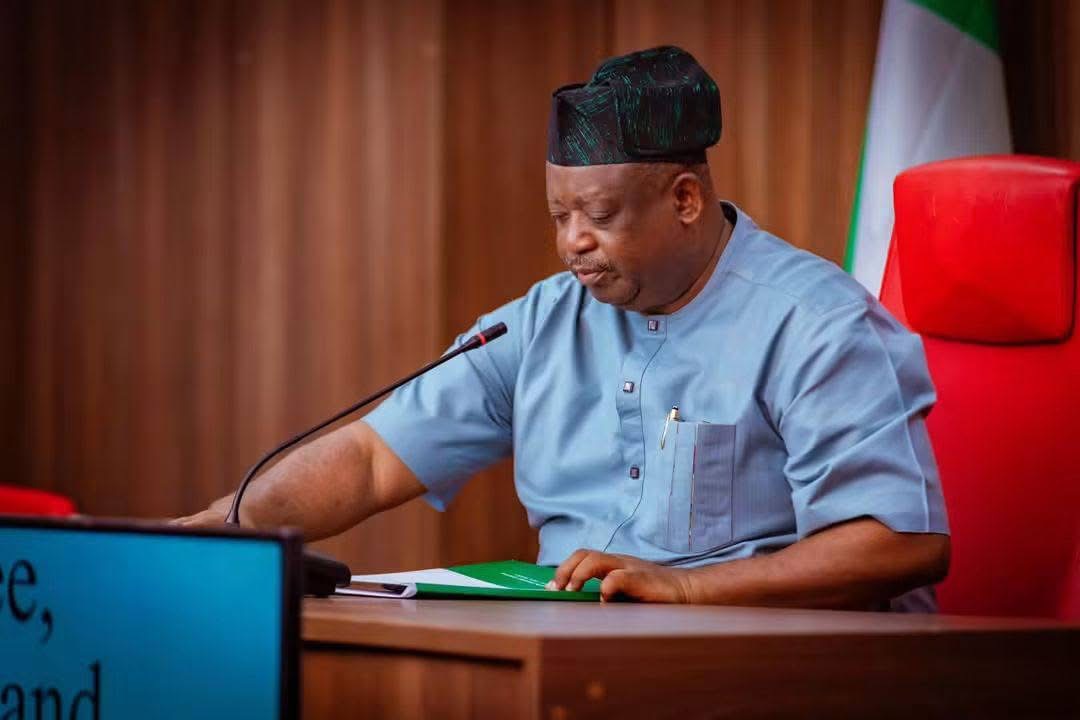
Jos, Plateau State — Governor Caleb Mutfwang has convened the Plateau State Security Council and directed security agencies to intensify intelligence gathering and strengthen inter-agency collaboration to prevent attacks before they occur.
The meeting, convened amid ongoing security concerns in parts of the state, focused on strengthening proactive measures and improving coordination among security and intelligence agencies.
Governor Mutfwang urged the security agencies to enhance intelligence-led operations, share information more effectively and identify potential threats early enough to prevent them from escalating into attacks.
The Governor also called for increased preventive operations across vulnerable areas of the state, stressing the need for security agencies to move beyond responding to incidents and place greater emphasis on preventing them.

The directive is expected to strengthen collaboration among the various security formations operating in Plateau State and improve the state’s capacity to respond swiftly to emerging security threats.
Governor Mutfwang reaffirmed the commitment of his administration to protecting lives and property and maintaining peace across Plateau State.
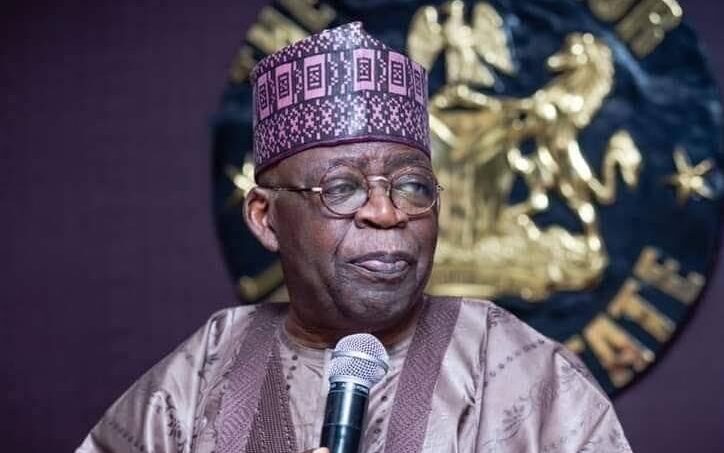
President Bola Tinubu has said 21 shared facilities established across 19 states and the Federal Capital Territory are supporting businesses and an estimated 650,000 jobs.
The facilities, established under the Federal Government’s National MSME Clinics initiative, provide entrepreneurs with access to equipment, electricity and production infrastructure without requiring them to bear the full cost of setting up such facilities themselves.
President Tinubu disclosed this in a statement on Monday while highlighting the government’s efforts to address infrastructure and equipment challenges facing micro, small and medium enterprises (MSMEs).
According to the President, many small businesses have the skills and ideas to expand but struggle to access the equipment and infrastructure needed to increase production.
He said the shared MSME hubs were designed to reduce some of those barriers by allowing entrepreneurs to use modern production facilities without making large upfront investments.
He cited tailors and food processors as examples of businesses that could benefit from the model.


“A tailor should not need millions of naira to buy industrial machinery before she can grow her business. A food processor should not have to build a factory before producing at scale,” he said.
The President said access to shared facilities could allow businesses to increase production while reducing their operating costs.
“When small businesses can produce more, at lower cost, they become more competitive. They grow. They employ more people. They create income and opportunity for Nigerian families.”
MSME support
The initiative comes as the Federal Government expands programmes aimed at improving access to finance, equipment, skills and markets for small businesses.
READ ALSO: Sowore’s AAC sues Tinubu, others over failure to transfer power to Shettima
The Small and Medium Enterprises Development Agency of Nigeria (SMEDAN), which implements several government MSME support programmes, has previously identified access to finance, infrastructure and markets among the challenges confronting small businesses.
The government has also introduced other interventions aimed at improving access to credit. These include the National Credit Guarantee Company (NCGC), which provides guarantees to encourage financial institutions to lend to businesses and other eligible borrowers.
President Tinubu noted that the government’s approach was focused on removing barriers that prevent entrepreneurs from turning their skills and ideas into sustainable businesses.
“Our job is to remove those barriers,” he said.
He added that strengthening small businesses would help create employment, increase household incomes and expand economic activity.
“Giving Nigerian enterprise the tools to succeed is how we build prosperity from the ground up,” President Tinubu said.
Discover more from Premium Times Nigeria
Subscribe to get the latest posts sent to your email.
-

 News3 days ago
Crusoe abandons $1.25B plan to use Boom turbines at AI data centers
-
News3 days ago
Alex Otti should be campaigning for Peter Obi not backing Tinubu – NDC
-
News3 days ago
At Meta Connect, the company’s smart glasses were everywhere
-
News3 days ago
I created an interactive digital avatar of myself — and you can talk to it