
Health
Lagos increases HIV response budget to N1.07bn

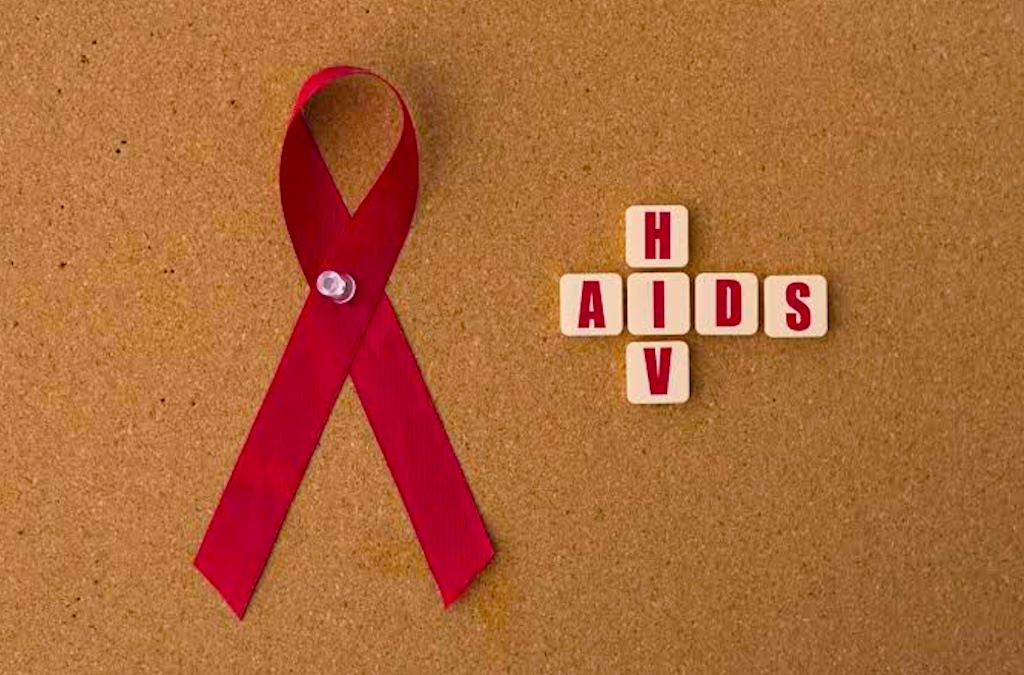
The Lagos State government has increased its HIV response budget to N1.065 billion, up from about N791 million.
The 35 per cent increase is to strengthen prevention, testing and treatment services across the state.
Folakemi Animashaun, Chief Executive Officer of the Lagos State AIDS Control Agency (LSACA), disclosed this on Thursday at a news conference in Lagos to herald activities for the 2026 World AIDS Day commemoration.
World AIDS Day is commemorated annually on 1 December to raise awareness about HIV/AIDS, remember those who have died from AIDS-related illnesses and renew commitment to ending the epidemic.
Ms Animashaun also said the agency had begun distributing Antiretroviral (ARV) medicines procured by the state government to ensure uninterrupted treatment for people living with HIV.
She said the increased budgetary allocation and medicine procurement demonstrated the state’s commitment to domestic ownership and sustainability of its HIV response amid changing global funding conditions.


“Development partners have made invaluable contributions to HIV prevention, treatment, medicines, laboratory services and community programmes,” she said.
“However, our goal is not to replace partnerships but to build a stronger foundation for them and ensure that essential HIV services remain protected whenever external funding arrangements change,” she said.
The LSACA chief executive said the state’s consolidated HIV testing records showed 387,558 negative results and 7,584 positive results.
She clarified that the figures represented reported test results and should not be interpreted as new infections or necessarily as unique individuals.
According to her, the maternal health programme recorded 156,122 new antenatal care clients and 156,109 negative HIV test results among pregnant and breastfeeding women.
She said community-based services also recorded 25,167 HIV tests among persons aged 15 years and above between January and October, with 1,166 positive results.
Ms Animashaun said the figures demonstrated the scale of the state’s interventions but stressed that the ultimate measure of success was the number of people linked to treatment, retained in care and achieving improved health outcomes.
“The significance of testing lies not only in identifying HIV but in connecting people to the services that protect their health and wellbeing,” she said.
Collaborations
Ms Animashaun said the state was strengthening collaboration with ministries, departments and agencies, healthcare institutions, development partners and community organisations to improve programme implementation, coordination and accountability.
She added that supportive supervision and data-quality activities had been undertaken to identify gaps in service documentation, referrals, programme reporting and continuity of care.
She said the agency was also promoting the integration of HIV services into routine healthcare, particularly maternal and child health, tuberculosis and other essential services.
She emphasised the importance of protecting the dignity and rights of people living with HIV, noting that stigma and discrimination remained significant barriers to accessing healthcare.
“No one should be afraid to seek healthcare because of their HIV status. No one should be denied dignity because of a health condition,” she said.
“Also, no one should be made to feel that their HIV status diminishes their worth as a human being.”
On sustainability, she disclosed that Lagos State had advanced the development of a 10-year HIV Response Transition and Sustainability Roadmap covering 2027 to 2036.
She said the roadmap would provide a framework for strengthening domestic financing, healthcare delivery, human resources, medicines and diagnostics, programme information, community participation and institutional accountability.
According to her, the proposed roadmap is expected to be formally launched by Governor Babajide Sanwo-Olu at the World AIDS Day Symposium scheduled for 1 December, subject to necessary approvals.
She said the symposium would also feature the formal presentation of antiretroviral medicines procured by the state government.
On HIV prevention, Ms Animashaun urged residents to know their status and access appropriate preventive services, including condoms, HIV testing, pre-exposure prophylaxis (PrEP) and post-exposure prophylaxis (PEP), where indicated.
She explained that people living with HIV who maintained effective treatment and an undetectable viral load could not transmit the virus sexually, a principle known as Undetectable Equals Untransmittable (U=U).
The LSACA boss urged residents to seek professional advice promptly if exposed to HIV, noting that some preventive interventions were time-sensitive.
World AIDS Day activities
Ms Animashaun said this year’s World AIDS Day activities, with the theme: “Ending AIDS Starts with Access: Equity, Ownership and Sustainability”, were designed to promote awareness, inclusion and community participation.
She listed the activities to include a fitness walk and awareness rally on 19 November, a novelty football match at Campos Stadium, Lagos Island, on 21 November, and an empowerment programme for people living with HIV on 23 November.
Others include a Jumat service on 27 November, a church service on 29 November, and the World AIDS Day Symposium scheduled for 1 December at Balmoral Event Centre, Lagos.
READ ALSO: Nigeria records decline in HIV treatment among pregnant women
Ms Animashaun urged the media to support efforts to correct misconceptions, challenge harmful stereotypes and promote accurate information about HIV prevention and treatment.
“Your platforms have the power to correct misconceptions, challenge harmful stereotypes, encourage people to seek testing and treatment, and help dismantle the stigma and discrimination that continue to prevent people from accessing care,” she said.
She called for responsible reporting that respected confidentiality and distinguished between new HIV diagnoses and new infections.
The LSACA chief executive acknowledged the contributions of the federal government, the National Agency for the Control of AIDS, UNAIDS, the United States Health Assistance Office, the Global Fund, and other implementing partners to the state’s HIV response.
She also commended the state government, healthcare workers, civil society organisations, community-based groups and networks of people living with HIV for their contributions.
She reaffirmed the state’s commitment to expanding access to HIV services, protecting existing gains and ensuring sustainable treatment and care for residents.
(NAN)
Discover more from Premium Times Nigeria
Subscribe to get the latest posts sent to your email.







The Pharmacy Council of Nigeria (PCN) says it has sealed 261 medicine outlets in the Federal Capital Territory (FCT) for operating illegally or violating pharmaceutical regulations.
The Head of Enforcement at the PCN, Suleiman Chiroma, disclosed this at a press briefing in Abuja on Friday while presenting the outcome of a four-day enforcement exercise in the FCT.
Mr Chiroma said the council inspected 455 premises in Bwari Area Council and parts of Lugbe in the Abuja Municipal Area Council (AMAC).
He said the sealed premises comprised 100 pharmacies, 115 patent medicine shops and 46 illegal outlets, while six compliance directives were issued to operators found violating regulatory requirements.
According to him, the inspection covered 246 pharmacies, 163 Patent and Proprietary Medicine Vendor (PPMV) shops and 46 illegal outlets.
Mr Chiroma said the exercise was part of the council’s efforts to sanitise Nigeria’s drug distribution system and enforce compliance with the National Drug Distribution Guidelines (NDDG).
He said the exercise aimed to curb the unauthorised sale and distribution of ethical and controlled medicines while ensuring that pharmaceutical premises were managed by qualified and licensed personnel.
He added that the council was working to ensure that PPMVs operated strictly within their approved scope of practice and to eliminate illegal medicine outlets.
The enforcement team observed that some pharmaceutical premises operated without registration, while several PPMV shops stocked ethical medicines, injectables and intravenous infusions contrary to the Approved Patent Medicine List.
Other violations included poor record-keeping, improper signage, unhygienic premises, unrestricted access to poisons by unauthorised persons and the training of apprentices.
Mr Chiroma also identified unethical conduct among some pharmacists as one of the regulatory breaches observed during the exercise.
He said 59 per cent of the pharmacies inspected complied fully with regulatory standards, while only 29 per cent of PPMV outlets met the required standards.
He said all 46 illegal premises identified during the exercise were sealed in accordance with the law.
The enforcement officer expressed concern over an incident in which a registered pharmacist allegedly broke the seal placed on his premises by the council.
He said the pharmacist would face the full disciplinary process and appropriate sanctions to deter other operators from similar violations.
Mr Chiroma warned that the council would not tolerate breaches of pharmaceutical laws and regulations, adding that offenders would face prompt and appropriate sanctions.
He urged members of the public to purchase medicines only from PCN-licensed premises, advising operators to display valid and current licences as proof of authorisation.
He said the enforcement exercise formed part of the council’s sustained efforts to eliminate unlicensed and non-compliant operators from the medicine distribution chain.
ALSO READ: Stakeholders warn Nigeria’s reliance on imported drug ingredients threatens medicine security
According to him, the initiative will help curb the circulation of substandard and falsified medicines and ensure that medicines are handled, stored and dispensed by qualified personnel in approved premises.
Mr Chiroma said the Registrar of the council, Ibrahim Ahmed, had directed sustained enforcement of pharmaceutical regulations in the FCT.
He appreciated residents of Bwari and Lugbe for their cooperation and support during the exercise, emphasising the importance of stakeholder collaboration in ensuring access to safe and quality medicines.
The PCN is the federal agency responsible for regulating pharmacy education, training and practice, including the activities of pharmacy technicians and patent and proprietary medicine vendors. (NAN)
Discover more from Premium Times Nigeria
Subscribe to get the latest posts sent to your email.
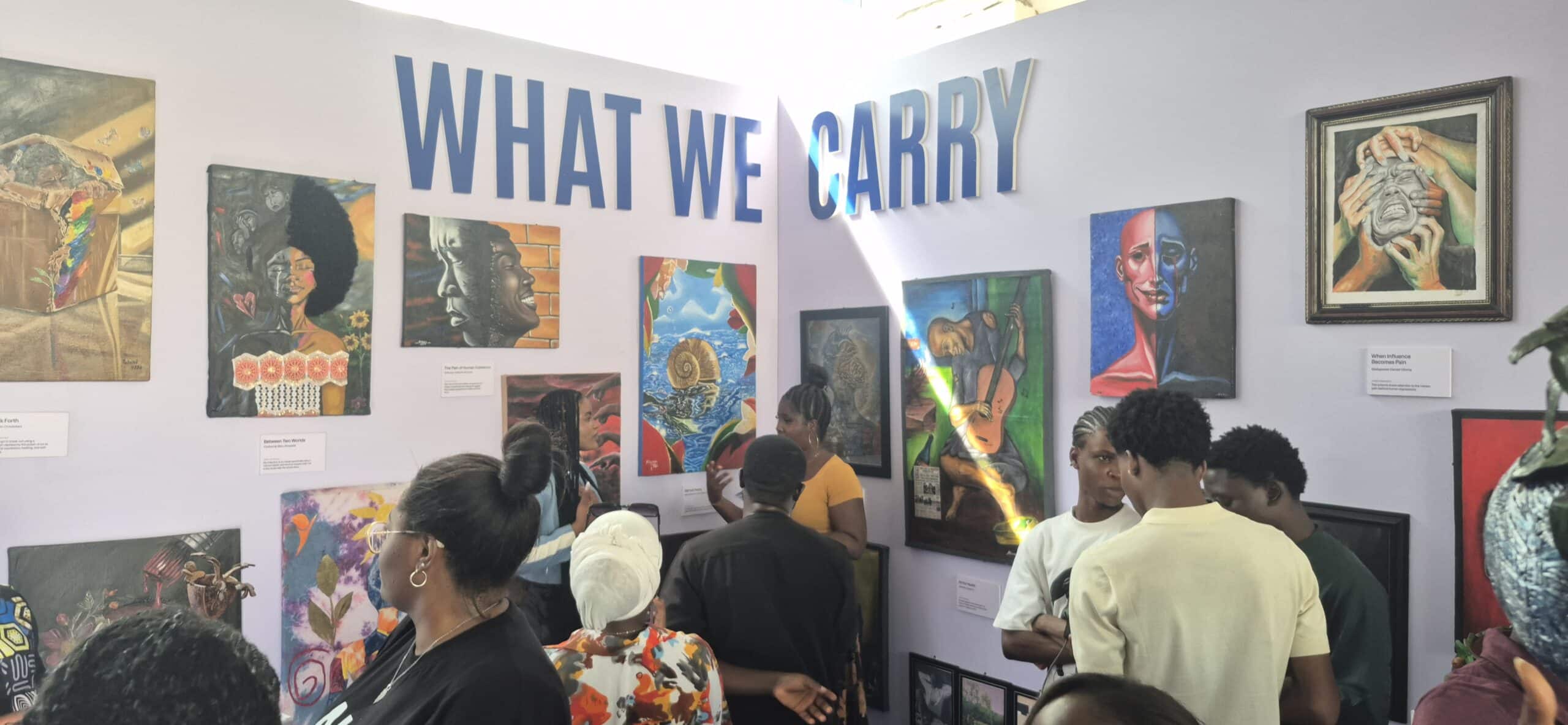
Artists and health experts are using art, storytelling and interactive activities to raise awareness about antimicrobial resistance (AMR).
AMR occurs when bacteria, viruses, fungi and parasites no longer respond to medicines used to treat infections, making diseases more difficult to manage.
The awareness event, Microbe Madness 2.0, organised by the Art for Health Initiative (AHI), was held in Lagos on Wednesday, the first day of the 2026 World AMR Awareness Week, observed from 18 to 24 November.

The event themed: One Action for our Future, featured exhibitions by artists exploring AMR and other health-related themes, including a mental health exhibition showcasing works produced by artists who participated in an earlier workshop organised by AHI.
It also featured spoken-word performances by Ruth Mahogany, music by Nanya ljeh and Paragon, and interactive games designed to help participants understand AMR and how everyday actions can help prevent it.

Antibiotics misuse
Delivering the keynote address at the event, Philip Osun, a clinical microbiologist at the Lagos University Teaching Hospital (LUTH), warned against the indiscriminate use of antibiotics.
Mr Osun said antibiotics are designed to treat bacterial infections and are ineffective against viral illnesses such as most common colds.
“Don’t rush to the chemist and say I need antibiotics,” Mr Osun said, urging people to seek medical advice rather than self-medicate.
He also cautioned against taking antibiotics prescribed for others, sharing medicines or starting, stopping or changing treatment without professional advice.
According to him, antimicrobial resistance occurs when germs develop mechanisms to overcome medicines designed to treat them, making infections difficult to manage.
Mr Osun said the consequences could include prolonged illness, expensive treatment and increased pressure on families and healthcare facilities.
The World Health Organisation (WHO), in a statement to mark the start of World AMR Awareness Week, said bacterial AMR was associated with an estimated 4.7 million deaths globally in 2021, with sub-Saharan Africa recording the highest rates of AMR-associated mortality.
The WHO said tackling resistance requires action across human, animal, plant and environmental health, noting that inappropriate use of antimicrobials, poor infection prevention, inadequate water and sanitation, and unsafe waste disposal contribute to its spread.

Preventing infections
The microbiologist encouraged Nigerians to prevent infections through regular handwashing, vaccination, safe food and water practices, proper wound care and good hygiene.
He said preventing infections reduces the need for antimicrobials and helps limit the development and spread of resistance.
Mr Osun also explained the One Health approach, noting that human, animal and environmental health are interconnected.
He said antimicrobial resistance is not only a human health problem but also involves animals and the environment, requiring coordinated efforts to prevent infections and reduce inappropriate antimicrobial use.
Using art to communicate health messages
Speaking about the initiative, Chidera Aneke, founder of AHI and a Media EIS Frontliner, said AMR remains poorly understood despite its growing impact.
READ ALSO: World Antibiotic Awareness Week: New health challenge emerges with antibiotics misuse
Ms Aneke said the organisation uses art and creative activities to communicate health information in ways people can relate to and remember.
She said the initiative plans to make Microbe Madness an annual event and involve more creatives in public health awareness.
“With more funding, we can make this a yearly event,” she said, adding that the initiative wants people to learn about health issues through activities that are enjoyable and interactive, rather than only workshops and seminars.
The event also had in attendance Olayinka Badmus, Resident Adviser for the Media EIS Fellowship and Technical Director at Afrihealth for Social Development and Impact (ASDI).
It was organised with DRASA Health Trust as a technical partner and support from the Yemisi Shyllon Museum of Art and BNL Healthcare Limited.
Discover more from Premium Times Nigeria
Subscribe to get the latest posts sent to your email.
-

 Business2 days ago
Elon Musk Launches X Money, Bringing Banking and Payments to Social Media Platform
-
Health2 days ago
JUTH Student Nurse Anaesthetist Dies After Collapsing During Football Match in Jos
-
News2 days ago
OPEP troops arrest 21-year-old suspected child trafficker, rescue five minors in Plateau
-
News2 days ago
Canadian Police Arrested ‘Lagos BigBoy’ Tosin Damilola Oyebade, 11 Others Over $4.5m Stolen Vehicle Network


