Connect with us

News

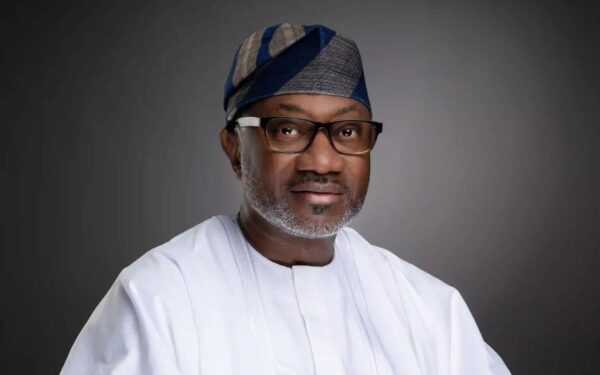
Peter Obi comments on Plateau and Sokoto killings

editor

Published

on

Peter Obi

Peter Obi, the presidential candidate of the Labour Party (LP), has reacted to the massive bloodshed and killings happening in Northern Nigeria, particularly in Plateau, Sokoto, Zamfara, and Benue state.

He expressed grief in a signed statement posted on his verified Twitter page.

According to him, the number of people killed in these states are “depressing and extremely worrisome”.

Obi, therefore, appealed to all levels of government to immediately arrest the situation before it deteriorates further.

His words; “The continued horrible spate of all forms of criminality, especially visceral bloodletting and killings, as witnessed recently in Plateau where over 120 people were killed, 50 killed in Sokoto, 31 in Zamfara, and 25 in Benue, are very depressing and extremely worrisome.

“These fatalities are not just numbers, but wastages of sacred human lives; of peoples who lived among us as family members, relatives and friends.

“While appreciating the efforts of Governments at all levels and security agencies, I respectfully appeal that they do more to arrest this situation before it deteriorates further.

Governments and security agencies must not allow the nation to continue this drift towards anarchy. I sincerely commiserate with the affected families. May God grant eternal rest to the dead. -PO”

Continue Reading
Click to comment

Leave a Reply

Your email address will not be published. Required fields are marked *

News

INEC Chairman Amupitan Under Fire as Old Tweets Reveal Him Supporting Tinubu, APC

info

Published

on

By

Tinubu To INEC Chairman Amupitan Serve With Integrity And Beyond Reproach .jpg

The Chairman of the Independent National Electoral Commission (INEC), Professor Joash Ojo Amupitan, is facing growing criticism following the resurfacing of old social media posts that suggest clear political leanings toward President Bola Ahmed Tinubu and the All Progressives Congress (APC).

The issue was brought to light in a detailed commentary by Nigerian-American professor, Farooq Kperogi.

In his write-up, he pointed to “SEVERAL verifiable past tweets by INEC chairman Professor Joash Ojo Amupitan from his time as a professor at the University of Jos unmistakably reveal partisan sympathies for the APC and, more specifically, for President Bola Ahmed Tinubu.”

He added that if Amupitan values the integrity of the institution he leads, “he should own up to them, acknowledge the moral burden they place on his office, and resign.”

Before now, questions about Amupitan’s neutrality had circulated quietly in political circles. However, the matter gained more attention after his alleged involvement in the internal crisis of the African Democratic Congress (ADC).

Critics say his actions at the time appeared to align with efforts to weaken opposition forces ahead of future elections.

The controversy deepened on Friday when more evidence surfaced. Records showed that in 2023, prior to his appointment as INEC chairman, an X (formerly Twitter) account bearing Amupitan’s name engaged in political conversations that openly supported the APC.

One of such posts dates back to March 18, 2023. On that day, the APC National Youth Leader, Dayo Israel, celebrated flipping his “nearby,” “Igbo-dominated” polling unit in favour of the APC. In response, Amupitan wrote: “Victory is sure.”

The response has drawn strong reactions. People say the statement was not just a casual remark but a clear endorsement of a partisan claim. The reference to an “Igbo-dominated” area has also raised concerns about ethnic undertones in political messaging during that period.

A day earlier, on March 17, 2023, another exchange added to the controversy. A social media user alleged that supporters of Labour Party candidate Peter Obi circulated a misleading image to discredit Lagos lawmaker Desmond Elliot. Reacting to the claim, Amupitan wrote: “They are evil in the 24th [sic] century.”

Another post on April 25, 2023, further fueled the debate. A pro-Tinubu account celebrated the reception the president received at the Abuja airport. Amupitan responded with a single word: “Asiwaju.”

Though brief, the word has significant political meaning. It is widely used by supporters of Tinubu as a symbol of loyalty and admiration. For critics, the use of that term in a public exchange suggests participation in partisan discourse rather than neutral observation.

Following the resurfacing of these posts, the account linked to Amupitan reportedly underwent several changes. Its handle was altered, later rebranded as a “parody” account, and eventually made private. Despite these changes, digital records have continued to link the posts to the original identity.

This sequence of events has raised further questions about transparency. Observers note that the timing of the changes appears to coincide with increased scrutiny, leading to suspicions that efforts were made to limit public access to past activities.

Interestingly, Farooq Kperogi admitted that he had previously defended Amupitan. In an earlier column, he described him as “an accomplished professor of law and a revered Senior Advocate of Nigeria who has no known record of partisan political affiliations.” However, he now says new evidence has changed that assessment.

The core issue, according to analysts, is not whether Amupitan held political views before his appointment. Rather, it is the nature and visibility of those views, and how they affect public confidence in INEC as an impartial body.

Electoral credibility in Nigeria has often been a subject of national concern. Experts warn that even the perception of bias at the top of the electoral commission can weaken trust in the entire process. For many Nigerians, neutrality is not just expected but essential.

So far, Amupitan has not personally addressed the allegations in detail. However, INEC’s Chief Press Secretary, Adedayo Oketola, issued a statement claiming that the social media account in question is “fake.”

Continue Reading

Business

Healthcare Expert Warns Nigerians Against Hidden Dangers of Food-Drug Interactions

info

Published

on

By

9e9ae574 a322 445f b5bb 54534a87bcb7.jpeg

Healthcare expert and licensed pharmacist, Dr. Remi Olukoya, has warned Nigerians about the often-overlooked dangers of food-drug interactions, cautioning that commonly consumed foods and traditional staples may interfere with prescribed medications and compromise treatment outcomes.

Speaking during a health session, she stressed the need for greater public awareness, noting that many patients are unaware that their daily diet can affect how medicines are absorbed, metabolized, or how effectively they work in the body.

Dr. Remi Olukoya, who also is the  founder of PharmaPlan Systems revealed that 50% of patients cannot identify a single food-drug interaction affecting their own prescriptions.

She emphasized the need for greater public awareness about how everyday foods can influence the effectiveness and safety of medications, cautioning that neglecting this link could compromise treatment outcomes.

The renowned healthcare expert highlighted the often-overlooked connection between diet and medication performance, with a particular focus on African and diaspora communities. While stressing the importance of adhering to prescribed treatments, she pointed out that dietary habits play a crucial role in drug efficacy.

She underscored the fact that culturally specific diets and traditional foods should not be overlooked when prescribing or taking medications, as they can affect how drugs are absorbed or metabolized in the body.

Drawing from her book, Pharma Plan Systems, which she described as an accessible guide to food-drug interactions free of complex medical jargon, she gave examples of commonly consumed foods that can interfere with medications.

She mentioned grapefruit’s impact on some cholesterol-lowering drugs, and pointed out that bitter leaf, a popular item consumed in many African households, has the potential to affect blood sugar levels and interact with diabetes treatments.

To address these issues, Dr. Olukoya said she has introduced the Medi Meal Safe app, a digital tool designed to guide users on safe food choices while on medication, offering customized meal plans for conditions such as high blood pressure, diabetes, and high cholesterol.

The app also alerts users to foods they should avoid or consume cautiously based on their prescriptions.

“The goal is to prevent adverse reactions and improve treatment outcomes by helping people make informed dietary choices,” Dr. Olukoya explained during the session.

During the session, participants expressed concerns about food sensitivities and the complexities surrounding traditional diets—particularly the dual effects of bitter leaf on nutrition and blood sugar regulation. In response, Dr. Olukoya advised that people should carefully consider their health conditions and medications before regularly consuming such foods.

She concluded by stressing that understanding the interaction between nutrition and medication is essential for safer and more effective healthcare, urging both patients and healthcare providers to pay closer attention to dietary habits alongside prescribed treatments.

The post Healthcare Expert Warns Nigerians Against Hidden Dangers of Food-Drug Interactions appeared first on Business Today NG.

Continue Reading

Trending