Health
Nigeria demands fairer pandemic financing, vaccine access at UN meeting

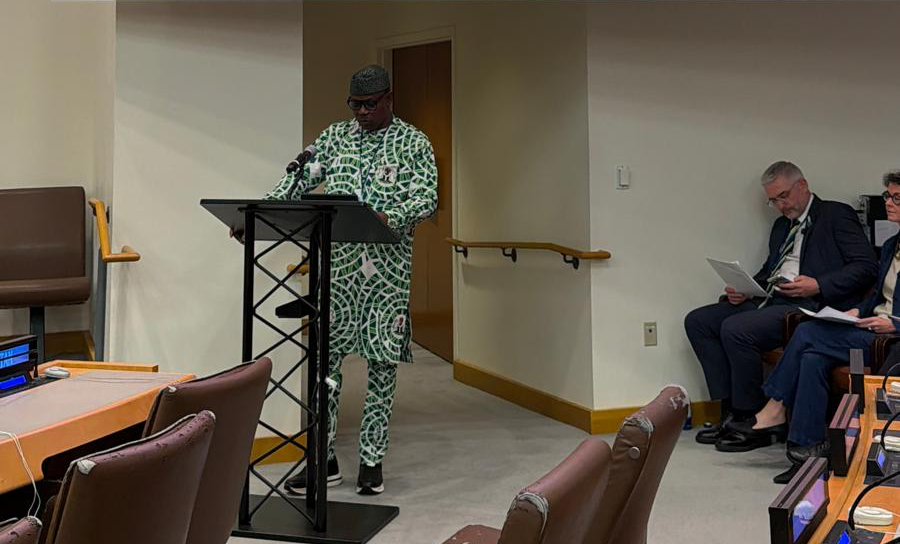
Nigeria has called for a more equitable global pandemic preparedness system, urging increased financing, technology transfer and stronger manufacturing capacity in Africa to enable developing countries to respond effectively to future health emergencies.
The Minister of State for Health and Social Welfare, Iziaq Salako, made the call while delivering Nigeria’s national statement on behalf of President Bola Tinubu at a high-level meeting on Pandemic Prevention, Preparedness and Response (PPPR) at the United Nations Headquarters in New York.
The meeting was held on the sidelines of the 81st United Nations General Assembly.
Mr Salako said effective pandemic preparedness must begin with strong public health systems capable of preventing, detecting and responding to health threats before they become emergencies.
“Prevention is preparedness and the strength of everyday public health systems determines how effectively nations detect threats early, respond rapidly, and maintain essential services during crises,” he said.
He said Nigeria was strengthening its legal and institutional frameworks, expanding digital disease surveillance, institutionalising the 7-1-7 approach, enhancing genomic sequencing capacity and improving multi-hazard preparedness.


The 7-1-7 approach requires countries to aim to detect a suspected public health threat within seven days, notify the relevant authorities within one day and complete the initial response within seven days.
Greater equity
Mr Salako said equity must remain central to the global PPPR agenda, particularly in ensuring that countries that provide access to pathogens receive fair and timely benefits from the development of vaccines, diagnostics and therapeutics.
He called for sustainable and rapidly accessible financing for low- and middle-income countries, alongside technology transfer and stronger domestic manufacturing capacity, particularly in Africa.
Nigeria’s priorities, he said, include stronger national ownership, governance and legal preparedness; prevention-focused health systems; integrated and resilient One Health systems; equitable access to financing and African manufacturing; and greater regional and global solidarity and accountability.
“National ownership and global solidarity must advance together,” he said.
Mr Salako said Nigeria was also advancing the One Health approach, strengthening antimicrobial resistance (AMR) governance and infection prevention and control programmes, and expanding emergency workforce capacity at national and sub-national levels.
The country’s public health laboratory network now covers all 36 states, while Public Health Emergency Operations Centres support responses to outbreaks including Lassa fever, cholera, diphtheria and meningitis, he said.
ALSO READ: Africa’s health-for-all agenda derailed by pandemic, financing gap – Report
Nigeria’s Joint External Evaluation score also improved from 39 per cent in 2017 to 54 per cent in 2023.
In addition, the World Bank’s $250 million Health Security Programme is supporting health security capacity at federal and state levels under a One Health approach, Mr Salako said.
Nigeria to host global AMR meeting
Mr Salako said Nigeria also wanted antimicrobial resistance to remain firmly embedded in the global pandemic preparedness agenda, describing it as “both a current public health threat and a multiplier of pandemic risks”.
Against this background, he announced that Nigeria would host the fifth Global High-Level Ministerial Conference on Antimicrobial Resistance in December 2026.
The conference will be the first edition to be held in Africa and will provide an opportunity to accelerate measurable One Health action and advance the priorities of low- and middle-income countries, he said.
Mr Salako also stressed the importance of involving communities in pandemic preparedness, saying public trust could not be built only after an outbreak had begun.
He called for sustained investment in risk communication and community engagement, social listening, community hygiene and infodemic management between emergencies.
He said Nigeria remained committed to strengthening national and regional capacity to prevent, detect and respond to public health threats, while supporting a global pandemic preparedness framework that is equitable, sustainable and accountable.
Discover more from Premium Times Nigeria
Subscribe to get the latest posts sent to your email.





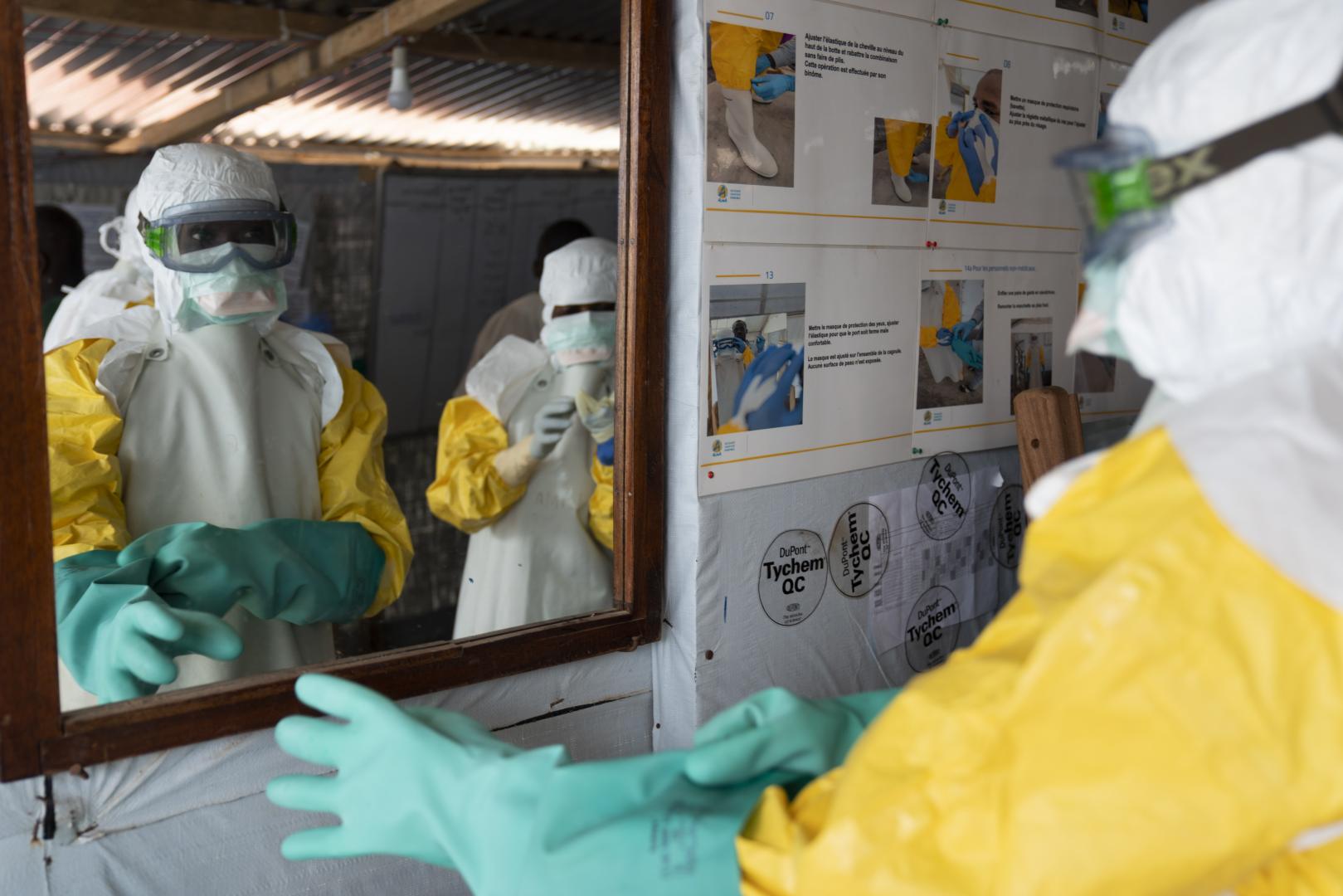
Kenya has confirmed a ninth case of Ebola, with health authorities saying all eight surviving patients are improving.
The latest Kenyan case involves a 24-year-old man who is a close relative of the first patient. He developed symptoms while in quarantine and tested positive on 19 October, according to the Kenyan Ministry of Health.
In a statement published on its X account on Tuesday and signed by Patrick Amoth, the Director-General for Health, the ministry said all nine cases belonged to one known cluster, with no evidence of transmission beyond the group.
Kenya’s first patient was a 40-year-old man who travelled from the Democratic Republic of the Congo (DRC) through Uganda before arriving in Nairobi on 3 October. He died at a Nairobi hospital on 5 October.
Treatment and contact tracing
The ministry said the eight surviving patients were stable and responding well to supportive care. It added that it had received 500 doses of medicine to support treatment for confirmed patients.
Contact tracing has also progressed, with 134 of the 135 identified contacts (99.3 per cent) traced and placed in quarantine.
The ministry said contacts who entered quarantine on 6 October and remain symptom-free would complete their 21-day monitoring period and begin returning home from 25 October.
It added that authorities had distributed protective equipment, diagnostic kits, and sample-collection materials to high-risk counties, and established a dedicated laboratory at Kenyatta National Hospital to support testing and prevent disruption to other hospital laboratory services.
Kenya, it noted, has not imposed restrictions on travel, trade or public gatherings. The cases in Kenya are linked to the ongoing Ebola outbreak in the DRC, where the Bundibugyo virus has caused thousands of infections and deaths.
WHO reported more than 8,700 confirmed cases and more than 4,200 deaths in the DRC as of 6 October, with transmission continuing across dozens of health zones.
Nigeria confirms first case
The Kenyan update comes as Nigeria confronts its own Ebola infection, with the federal government confirming the first case in Abuja on Tuesday.
PREMIUM TIMES reported that the patient was a woman who arrived in Nigeria on an international flight from Uganda. She is receiving treatment in isolation at a private hospital in the Federal Capital Territory.
In a statement signed by the Coordinating Minister of Health and Social Welfare, Muhammad Pate, the federal government said it had begun contact tracing and identified 44 close contacts, including healthcare workers, patients, caregivers, and travel contacts.
The government urged healthcare facilities nationwide to remain vigilant, promptly isolate suspected cases, maintain strict infection prevention measures and report suspected infections to public health authorities.
The development has heightened concerns about cross-border transmission, particularly as the outbreak in East and Central Africa coincides with frequent international travel and movement between countries.
Nigeria’s response includes surveillance, laboratory testing, isolation and contact tracing to identify possible infections and limit further transmission.
Discover more from Premium Times Nigeria
Subscribe to get the latest posts sent to your email.
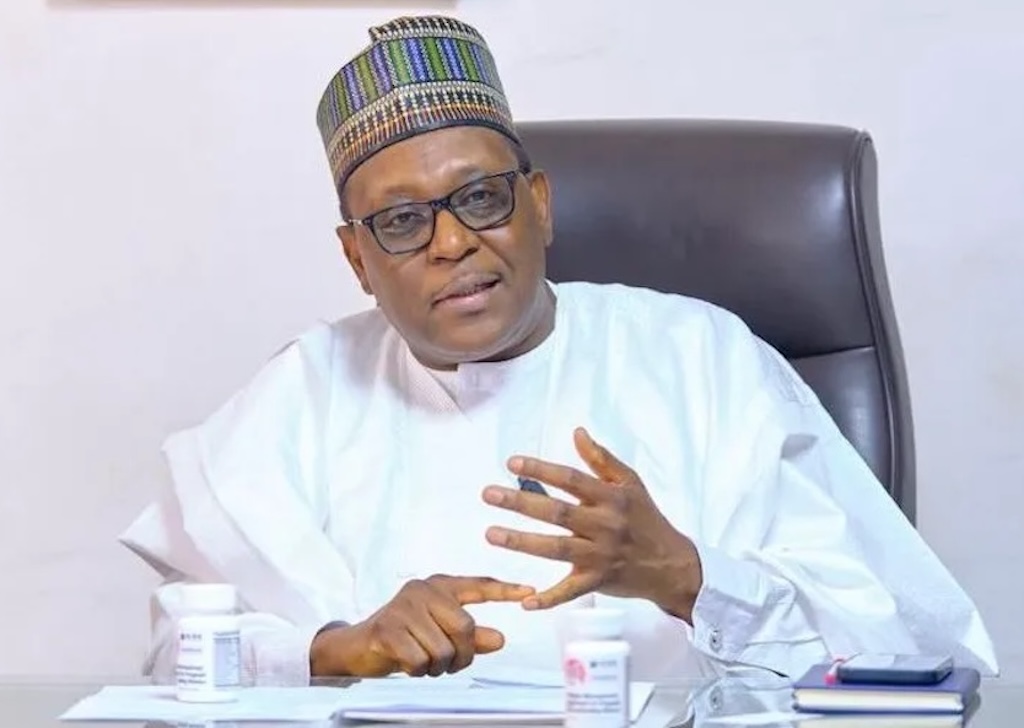
The 44 people identified as contacts of Nigeria’s confirmed Ebola patient will remain in isolation for at least three weeks.
The Coordinating Minister of Health and Social Welfare, Muhammad Pate, disclosed this Tuesday evening during an NTA interview, shortly after the ministry announced Nigeria’s first confirmed Ebola case in the Federal Capital Territory (FCT).
Mr Pate said authorities are currently treating the case as an imported infection and not community transmission.
“At this moment, we are treating it as an imported case, not community transmission,” he said, adding that the situation could change if the virus begins to spread beyond the known contacts.
He said the 44 contacts, including healthcare workers, patients, caregivers and travel contacts, are being isolated at a designated facility in Abuja. At the same time, public health teams determine who may have been infected.
“They remain in communication with their families by phone and other ways, but not physical contact, until we clarify who is infected and who is not,” he said.
Travel manifest obtained
The minister said Nigeria had been conducting risk-based surveillance at points of entry for the past five months through the Nigeria Centre for Disease Control and Prevention (NCDC) and Port Health Services.
He said the aviation industry had also been an important partner in the surveillance effort.
According to Mr Pate, authorities obtained the infected passenger’s travel manifest, which is helping them identify people who may have been exposed.
He said the patient was asymptomatic when she entered Nigeria and developed symptoms after arriving in the country.
“This makes it less likely that the travel itself exposed folks at risk,” Mr Pate said, while noting that authorities were still investigating the circumstances surrounding her entry into Nigeria.
The patient, an unidentified woman who recently arrived in Nigeria on an international flight from Uganda, is currently in isolation and receiving medical care at a private hospital in the FCT.
Symptoms
Mr Pate urged Nigerians and health workers to watch for symptoms including fever, headache, nausea, vomiting, body aches, and severe muscle pain.
He said the Ebola variant involved in the current outbreak is different from the Sudan and Zaire variants, adding that bleeding could occur but is less prominent than with some other Ebola variants.
The case comes amid an ongoing regional outbreak of Bundibugyo Ebola virus, which the NCDC has been monitoring since the outbreak was reported in the Democratic Republic of the Congo (DRC).
The minister also stressed the importance of travel history when assessing suspected cases, particularly among people who have recently travelled to eastern Africa.
He said the Abuja patient had no confirmed travel to the DRC, so authorities presumed she was likely infected in Uganda.
READ ALSO: Ebola in Abuja: 10 things Nigerians should know about the deadly virus
“We presume it is likely that it was picked up in Uganda,” he said, stressing the complexity of tracing the source of infectious diseases.
Regional outbreak continues
The Nigerian case comes amid an ongoing Ebola outbreak in the DRC, where the disease has spread across several provinces.
WHO reported more than 8,700 confirmed cases and more than 4,200 deaths in the DRC as of 6 October, with transmission continuing across dozens of health zones. The outbreak is caused by the Bundibugyo virus.
Kenya reported its first imported case on 6 October: a Kenyan citizen who had been living in the DRC and travelled to Kenya via Uganda.
On 20 October, Kenyan authorities confirmed a ninth case involving a close family member of the first patient.
Uganda, from which the Nigerian patient recently travelled, recorded 20 cases between May and June 2026. The country subsequently ended its outbreak after completing the required 42-day period without a new confirmed case.
Discover more from Premium Times Nigeria
Subscribe to get the latest posts sent to your email.
-

 News2 days ago
Euromatch NPFL: Matchday 9 results
-
News3 days ago
NUCAP: Nigeria targets 20 million people with 3,700 telecom towers – Technology Times
-
News3 days ago
Meta removes language that raised scraping and AI training concerns
-
Business4 days ago
NCC Launches Internet Governance Working Group to Sustain Stakeholder Dialogue