Business
Breaking: Deadly Night Assault on Chad Military Base Leaves 23 Troops Dead

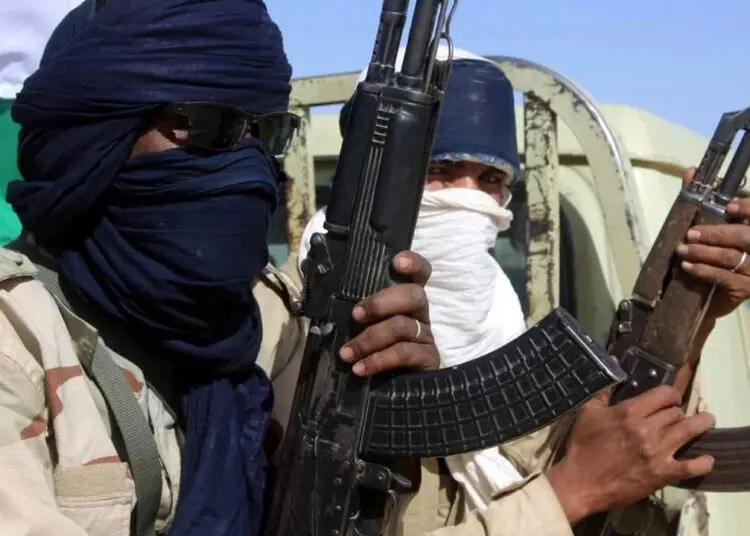

BY SUNDAY SAMUEL —Chad’s army has announced that militants from Boko Haram attacked a military base in the country’s west, killing at least 23 soldiers and wounding 26.
According to statement, the army said it repelled the assault, which occurred overnight in the Lake Chad region, adding that clearance operations are ongoing.
The region has faced repeated attacks by Boko Haram, whose insurgency began in northeastern Nigeria in 2009 and later spread to Chad,
The attack took place on Monday night against a military base on the shores of Lake Chad, which sits on the tripoint of Chad, Niger, Nigeria and Cameroon.
According to the United Nations, the group has killed several thousand people and displaced millions.
The post Breaking: Deadly Night Assault on Chad Military Base Leaves 23 Troops Dead appeared first on Business Today NG.







President Bola Tinubu has said 21 shared facilities established across 19 states and the Federal Capital Territory are supporting businesses and an estimated 650,000 jobs.
The facilities, established under the Federal Government’s National MSME Clinics initiative, provide entrepreneurs with access to equipment, electricity and production infrastructure without requiring them to bear the full cost of setting up such facilities themselves.
President Tinubu disclosed this in a statement on Monday while highlighting the government’s efforts to address infrastructure and equipment challenges facing micro, small and medium enterprises (MSMEs).
According to the President, many small businesses have the skills and ideas to expand but struggle to access the equipment and infrastructure needed to increase production.
He said the shared MSME hubs were designed to reduce some of those barriers by allowing entrepreneurs to use modern production facilities without making large upfront investments.
He cited tailors and food processors as examples of businesses that could benefit from the model.


“A tailor should not need millions of naira to buy industrial machinery before she can grow her business. A food processor should not have to build a factory before producing at scale,” he said.
The President said access to shared facilities could allow businesses to increase production while reducing their operating costs.
“When small businesses can produce more, at lower cost, they become more competitive. They grow. They employ more people. They create income and opportunity for Nigerian families.”
MSME support
The initiative comes as the Federal Government expands programmes aimed at improving access to finance, equipment, skills and markets for small businesses.
READ ALSO: Sowore’s AAC sues Tinubu, others over failure to transfer power to Shettima
The Small and Medium Enterprises Development Agency of Nigeria (SMEDAN), which implements several government MSME support programmes, has previously identified access to finance, infrastructure and markets among the challenges confronting small businesses.
The government has also introduced other interventions aimed at improving access to credit. These include the National Credit Guarantee Company (NCGC), which provides guarantees to encourage financial institutions to lend to businesses and other eligible borrowers.
President Tinubu noted that the government’s approach was focused on removing barriers that prevent entrepreneurs from turning their skills and ideas into sustainable businesses.
“Our job is to remove those barriers,” he said.
He added that strengthening small businesses would help create employment, increase household incomes and expand economic activity.
“Giving Nigerian enterprise the tools to succeed is how we build prosperity from the ground up,” President Tinubu said.
Discover more from Premium Times Nigeria
Subscribe to get the latest posts sent to your email.
-

 News4 days ago
Crusoe abandons $1.25B plan to use Boom turbines at AI data centers
-
News3 days ago
Alex Otti should be campaigning for Peter Obi not backing Tinubu – NDC
-
News3 days ago
At Meta Connect, the company’s smart glasses were everywhere
-
News3 days ago
I created an interactive digital avatar of myself — and you can talk to it