Business
Air Peace blames fuel shortage, weather for Abuja-Maiduguri flight cancellation


Air Peace has attributed the cancellation of its Abuja-Maiduguri flight on Saturday to aviation fuel shortage in Abuja and a subsequent restriction on operations at the Maiduguri airport.
The airline said the initial delays to its Abuja operations were caused by the unavailability of Jet A1 aviation fuel, which also affected other airlines operating from the airport.
It added that the situation improved after fuel became available and affected flights resumed, but its Abuja-Maiduguri service could not operate after the Maiduguri control tower withdrew an earlier extension for the flight to arrive beyond sunset.
Air Peace disclosed this in a statement following videos and reports of passengers expressing frustration over the disruption at Nnamdi Azikiwe International Airport in Abuja.
Why the flight was cancelled
According to the airline, the Maiduguri flight was initially expected to operate after the delay in Abuja operations had been resolved.
It said the control tower at the Maiduguri airport had initially granted an extension for the flight to arrive, but later, around the time passengers were being called for boarding, informed the airline that the airport had become subject to visual flight rules and would no longer operate beyond sunset.


Visual flight rules, or VFR, generally require pilots to operate with specified visual conditions rather than relying on instrument flight procedures.
Air Peace said the change meant it could no longer operate the Abuja-Maiduguri service as planned.
The airline noted that it subsequently cancelled the flight and made arrangements to accommodate the affected passengers in a hotel.
It added that arrangements had been made to operate the flight the following day.
Passengers’ rights
The disruption comes amid increased scrutiny of flight delays and cancellations in Nigeria, as well as of how airlines handle passengers when services are disrupted.
PREMIUM TIMES reported that the Nigeria Civil Aviation Authority (NCAA) recorded 7,961 domestic flights in August, of which 4,765 were delayed, and 36 were cancelled.
Air Peace accounted for 1,330 of the delayed flights in the NCAA’s dataset, representing 71.4 per cent of the 1,864 flights recorded for the airline.
The airline, however, disputed the figures, saying it operated 2,564 flights during the month and that more than 700 flights were not captured in the NCAA data. It also said only 391 of its delayed flights were caused by factors within its operations.
The latest disruption also comes days after the NCAA directed Air Peace to prepare a compensation package for passengers affected by a delayed Lagos-Enugu flight.
The regulator said its preliminary investigation found that the airline had sent passengers the wrong notification about the rescheduled flight.
READ ALSO: Air Peace offers 25 per cent ticket discount to passengers over aborted Lagos-Enugu flight
Under the NCAA’s Part 19 regulations, airlines have obligations to passengers during delays and cancellations, including providing information and assistance within specified circumstances. For domestic flights, passengers are entitled to refreshments after a two-hour delay, while longer disruptions can trigger reimbursement, rerouting, accommodation, and, in qualifying circumstances, compensation.
The NCAA has also repeatedly stressed the importance of timely information and passenger care during disruptions.
Air Peace’s response
Air Peace said passengers affected by Saturday’s disruption were informed about the delays and provided with refreshments.
Following the cancellation, the airline said the affected passengers were provided with hotel accommodation and that arrangements were being made for the flight to operate the next day.
“We sincerely regret the inconvenience caused to our esteemed passengers and appreciate their patience and understanding,” the airline said.
It added that the safety and well-being of passengers remained its priority.
Discover more from Premium Times Nigeria
Subscribe to get the latest posts sent to your email.


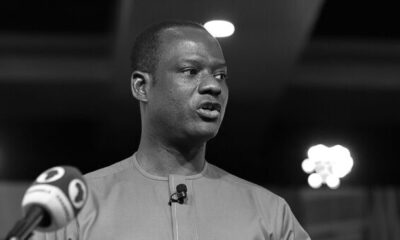


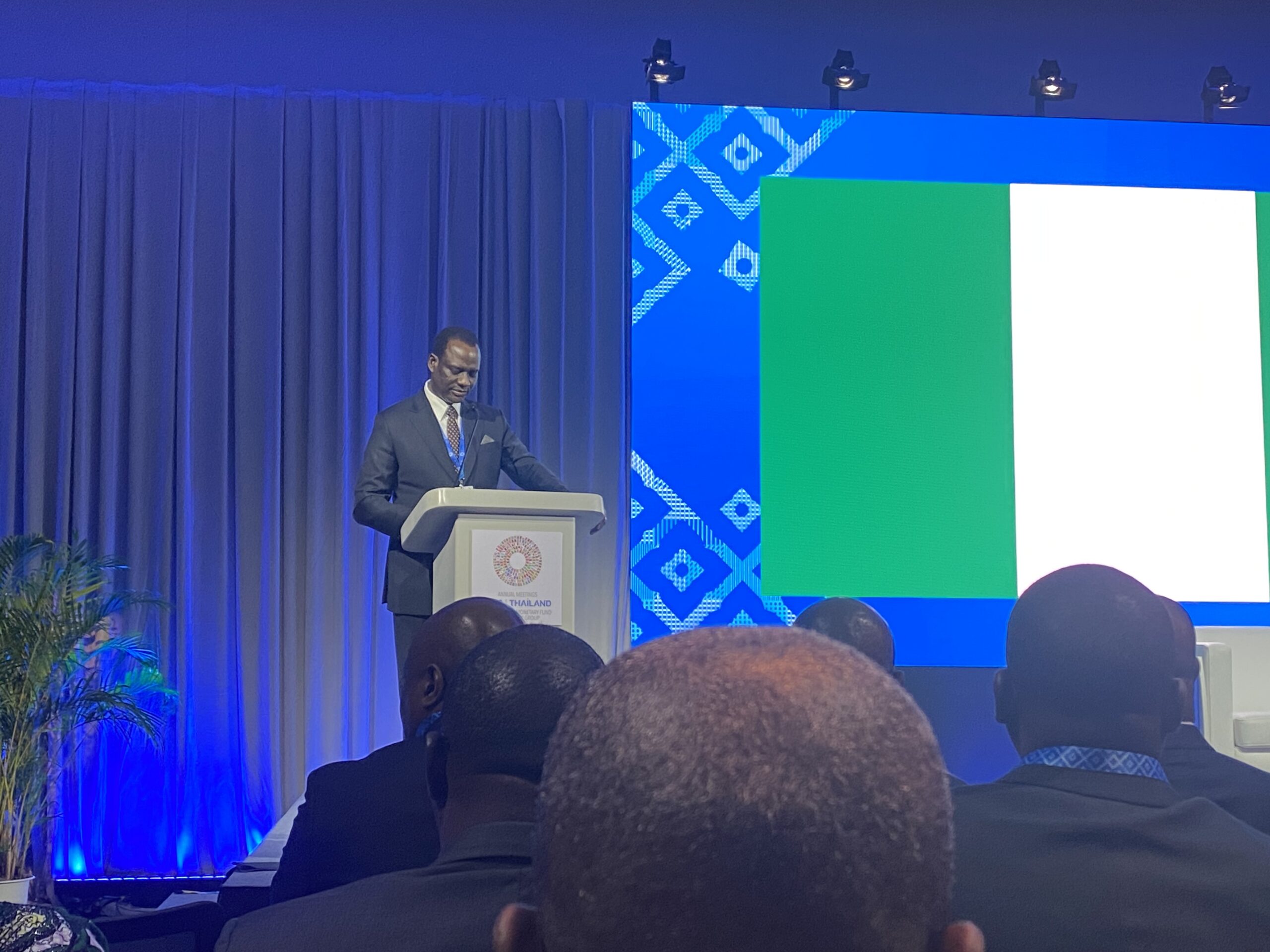
Nigeria’s Minister of Finance and Coordinating Minister of the Economy, Taiwo Oyedele, on Saturday said there will be no reversal of the government’s policies on fuel subsidy removal and foreign exchange market liberalisation.
Mr Oyedele spoke in response to concerns raised in the wake of the debates over subsidy policies ahead of the 2027 elections.
PREMIUM TIMES reports that the minister spoke on the sidelines of the World Bank/IMF meetings in Bangkok, Thailand.

Nigeria has introduced a series of reforms the government said were focused on fixing the structure of the economy, although the impact has been enormous for many Nigerians grappling with the cost-of-living crisis.
The government introduced reforms in the foreign exchange market, abolished what it termed a wasteful, corruption-ridden subsidy regime amid fiscal pressures, and institutionalised tax reforms.
While the Nigerian government, led by President Bola Tinubu, has defended its economic policy of subsidy removal as critical to the nation’s fiscal survival, opposition politicians—such as Atiku Abubakar of the ADC and Peter Obi of the NDC—have canvassed for and promised a return to different subsidy arrangements if elected into power.
Although the reforms have been hailed as positive for the nation’s fiscal health by global development and financial institutions, many Nigerians have expressed frustrations over their impact on the domestic front amid skyrocketed energy prices, high cost of living and sundry inflationary pressures.
Mr Oyedele said on Saturday that there will be no return to subsidy regimes, adding that the 30-day retail margin discount isn’t a subsidy arrangement.
“And let me be clear as well, this was a recurring question almost through all our engagements, but also with the rating agencies, with the investors, and the multilateral institutions. Every time they ask, are you reversing your plans? Are you bringing back subsidies? Let me be clear, there will be no return to fuel subsidies or multiple exchange rates,” he said.
READ ALSO: Oyedele warns against tax burden on poor people as G-24 seeks concessional lending support
PREMIUM TIMES reports that the government recently announced an intervention by the state-owned oil company, NNPC, that it would sell petrol at the cost price for about 30 days; a move many described as some form of subsidy. The government, however, insists the intervention is not a subsidy.
“The recent 30-day retail margin discount… is a time-bound commercial decision by the NNPC to reduce margins and support Nigerians. It is not a subsidy paid from public funds,” Mr Oyedele said.
Discover more from Premium Times Nigeria
Subscribe to get the latest posts sent to your email.
-

 News4 days ago
MTN, Airtel take 90% of Nigeria’s 15m new subscribers as Glo shifts ground – Technology Times
-
News2 days ago
Miners Association Seeks Support To Unlock $3bn Gemstone Export Potential
-
Health2 days ago
Katsina health professionals declare 7-day warning strike
-
Business3 days ago
AFC Appoints CBN Governor Yemi Cardoso as Board Chairman