Business
NCC Launches Internet Governance Working Group to Sustain Stakeholder Dialogue






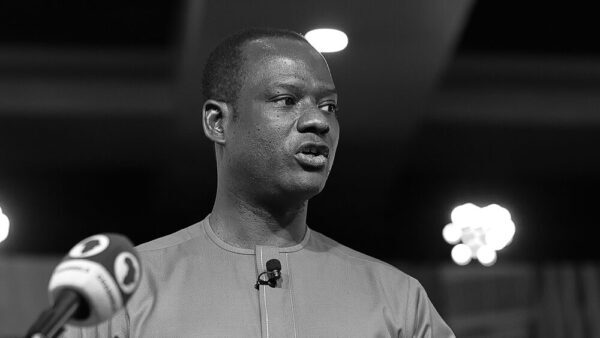
The Minister of Finance and Coordinating Minister of the Economy, Taiwo Oyedele, said Nigeria must improve its production capacity and competitiveness to take advantage of opportunities under the African Continental Free Trade Area (AfCFTA).
Mr Oyedele stressed that access to the continental market alone would not guarantee economic gains without the capacity to produce quality goods, fulfil orders and retain customers.
“Market access creates an opportunity. Our competitiveness will determine how much of it we convert into prosperity,” he said.
He made the remarks at a stakeholder forum organised by the Nigerian Export-Import Bank (NEXIM) in Abuja, themed “Leveraging the African Continental Free Trade Area (AfCFTA) for Enhanced Nigerian Export Competitiveness and Economic Diversification”.
The minister explained that the government’s economic reforms, including the removal of the petrol subsidy, foreign exchange reforms, and changes to the tax and fiscal system, aim to move Nigeria away from dependence on a narrow range of commodities toward a diversified, production-driven economy.
According to him, expanding exports would generate foreign exchange and create jobs across sectors, including agriculture, manufacturing, transportation, and professional services.


He illustrated this with the example of an agricultural processor supplying products to a new market, which could create additional demand for farmers, while Nigerian technology and service businesses expanding abroad could open opportunities for young people.
Mr Oyedele described AfCFTA as an important platform for Nigerian businesses to expand into markets across Africa, particularly in technology, manufacturing, agricultural processing, solid minerals, creative industries and services.
However, he emphasised that businesses needed more than market access to succeed, noting that their ability to meet buyers’ specifications, deliver products consistently and secure repeat orders would determine their competitiveness.
“The promise becomes real only when a Nigerian business secures a customer, fulfils an order, gets paid and wins a repeat order,” he said.
He argued that processing agricultural products into finished goods, rather than exporting raw commodities, could generate greater economic value and create more opportunities across the production chain.
The minister identified inadequate financing, infrastructure gaps, high transaction costs, delays in certification and transportation, and other trade barriers as challenges confronting Nigerian exporters.
He said the government was working to improve trade facilitation, streamline documentation and customs procedures, harmonise standards, and expand access to financing for viable export businesses.
Mr Oyedele urged financial institutions to structure export financing around businesses’ transaction cycles and expected foreign exchange earnings to prevent repayment obligations from creating unnecessary pressure on exporters.
He also called for stronger collaboration between NEXIM Bank and commercial financial institutions through guarantees, insurance, and other financing arrangements. At the same time, businesses should receive support to meet export standards, maintain proper records, and access market information.
The minister maintained that AfCFTA should also benefit smaller businesses that supply goods and services to larger exporters, noting that producers within export supply chains contribute to the country’s export economy even when they do not sell directly to foreign buyers.
He urged participants at the forum to identify specific challenges facing exporters, the institutions responsible for addressing them and practical solutions that could be implemented.
READ ALSO: Senate confirms Taiwo Oyedele as minister
Mr Oyedele called for collaboration among the government, financial institutions, businesses and development partners to improve production, remove trade barriers and strengthen Nigeria’s competitiveness in African markets.
The AfCFTA, which commenced trading on 1 January 2021, seeks to create a single continental market for goods and services across African Union member states, expand intra-African trade, and strengthen the continent’s position in global markets.
Nigeria signed the AfCFTA Agreement on 7 July 2019 and ratified it in 2020, formally joining the continental trade framework.
Nigeria’s participation in the agreement is expected to give businesses opportunities to expand beyond the domestic market, increase intra-African trade, and support economic diversification.
Discover more from Premium Times Nigeria
Subscribe to get the latest posts sent to your email.
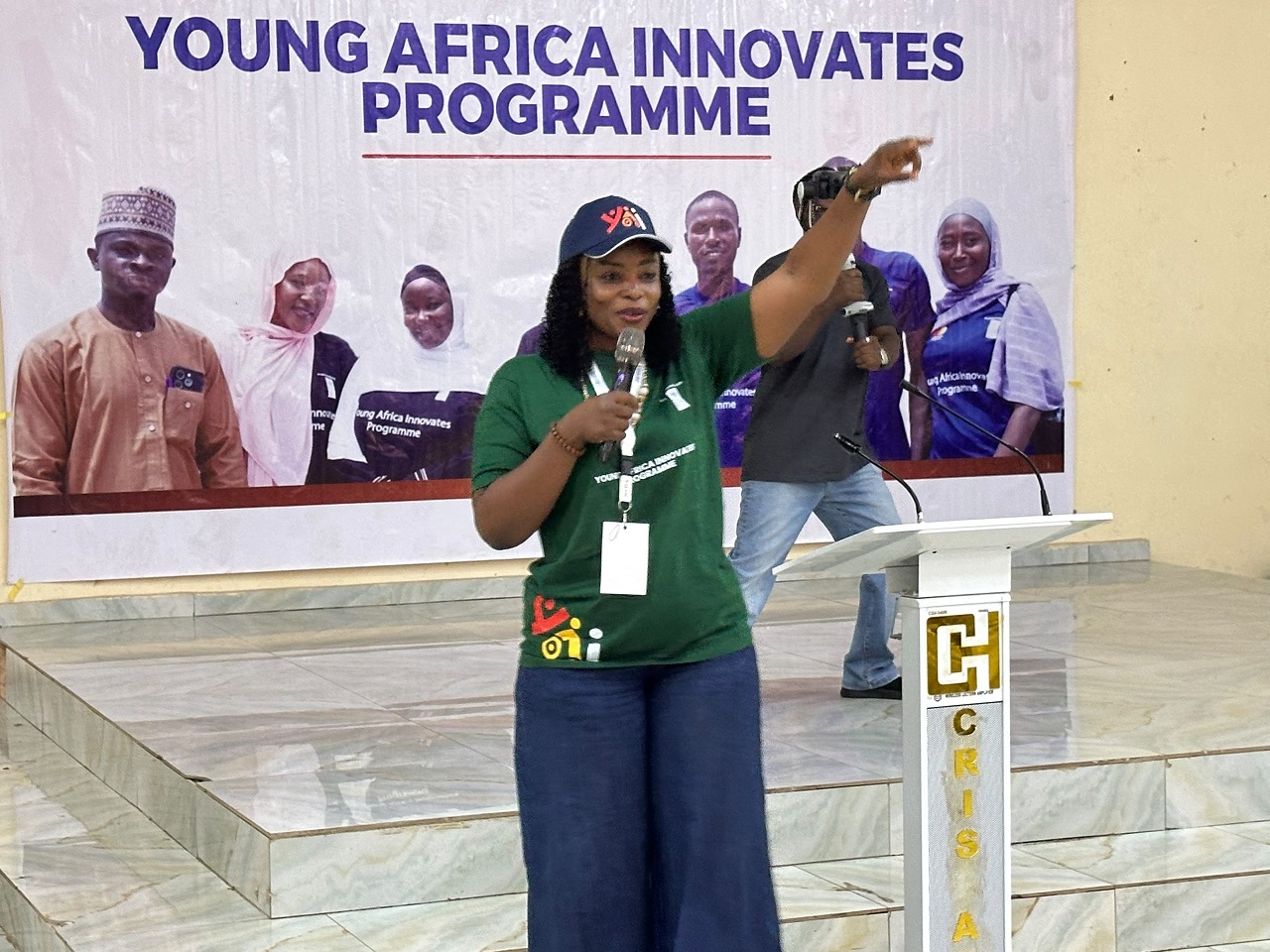
250 innovators selected from 2,797 applications as participants showcase solutions in technology, agriculture, fashion, health and other sectors
The Young Africa Innovates (YAI) Programme is currently underway in Jos, Plateau State, with the Plateau State Government, Bank of Industry (BOI) and Plateau State Microfinance and Development Agency (PLASMIDA) supporting efforts to empower young innovators, promote entrepreneurship and stimulate job creation.
Implemented in partnership with the United Nations Development Programme (UNDP) and Mastercard Foundation, the programme is designed to equip young people with the skills, mentorship, and support needed to turn innovative ideas into viable businesses and solutions to societal challenges.


Speaking on how the initiative aligns with the Plateau State Government’s agenda on youth empowerment, job creation and development, the Commissioner for Science, Technology and Innovation, Hon. Moses Nyalun, represented by the Permanent Secretary, Mr Peter Lamab Bot, said the programme reflects the government’s commitment to identifying and harnessing local talents.
He said Plateau State is blessed with talents in science, technology and innovation, adding that the initiative provides an opportunity to mobilise the state’s human resources towards solving societal problems and advancing development.
According to him, the programme attracted 2,797 applications from innovators in Plateau State within approximately three weeks of its announcement, out of which 250 participants were selected for the ongoing bootcamp.
He described the response as evidence of the enormous innovation potential among young people in the state.
“This is greatly part of the responsibility of government in terms of harnessing resources within the state, and in terms of this programme, it is human resources that are being harnessed,” he said.
The Permanent Secretary noted that the participants are presenting innovations across several sectors, including medicine, energy, agriculture, fintech and other areas, with solutions targeted at addressing societal challenges.
He said the initiative aligns with the government’s ambition to harness the creativity and abilities of young people, strengthen local innovation and create opportunities for economic advancement.
On the prospects of financial and further support for the innovators, Bot explained that the programme is structured to progress beyond training, with participants expected to develop prototypes of their innovations, benefit from mentorship and undergo incubation.
He said the mentorship component would draw from the experience of the UNDP, Mastercard Foundation and government, helping participants to improve their skills, refine their ideas and position their innovations for greater opportunities.
According to him, the incubation stage would also provide an opportunity to identify promising innovations for further support, including starter packs to help participants advance their ventures.


A major highlight of the ongoing bootcamp is the exhibition and display of products, services and business ideas by participants, showcasing the diversity of innovation and entrepreneurial talent among Plateau youths.
The exhibition features mobile applications, beverages, clothing designs, handmade bags, shoes and other products and services, offering a glimpse into the creativity and practical ideas emerging from the programme.
The participation of the Bank of Industry and PLASMIDA, alongside the Plateau State Government, is expected to strengthen the support ecosystem for the innovators through enterprise development, business opportunities and pathways towards commercialising their ideas.
The initiative is expected to contribute to youth empowerment, job creation, entrepreneurship development and the promotion of homegrown solutions to challenges facing communities across Plateau State.


-

 Events3 days ago
PENIEL 2026: AGNN Calls for Deeper Encounter with God, Unity and National Transformation
-
Events3 days ago
Plateau Govt Backs AGNN’s PENIEL 2026, Says Unity Among Christians Critical to Peace
-
News1 day ago
‘The Righteous Are Not on the Throne, That Is Why Nigerians Are Suffering’ — SDP’s Adewole Adebayo Fires the APC While Speaking to Press at Jos Conference
-
Events1 day ago
Encountering God, Advancing His Kingdom: AGNN PENIEL 2026 Ends with Calls for Responsible Leadership