News
Osun Election: Govs, ‘political structure’ can’t deliver Tinubu in 2027 – Vatsa





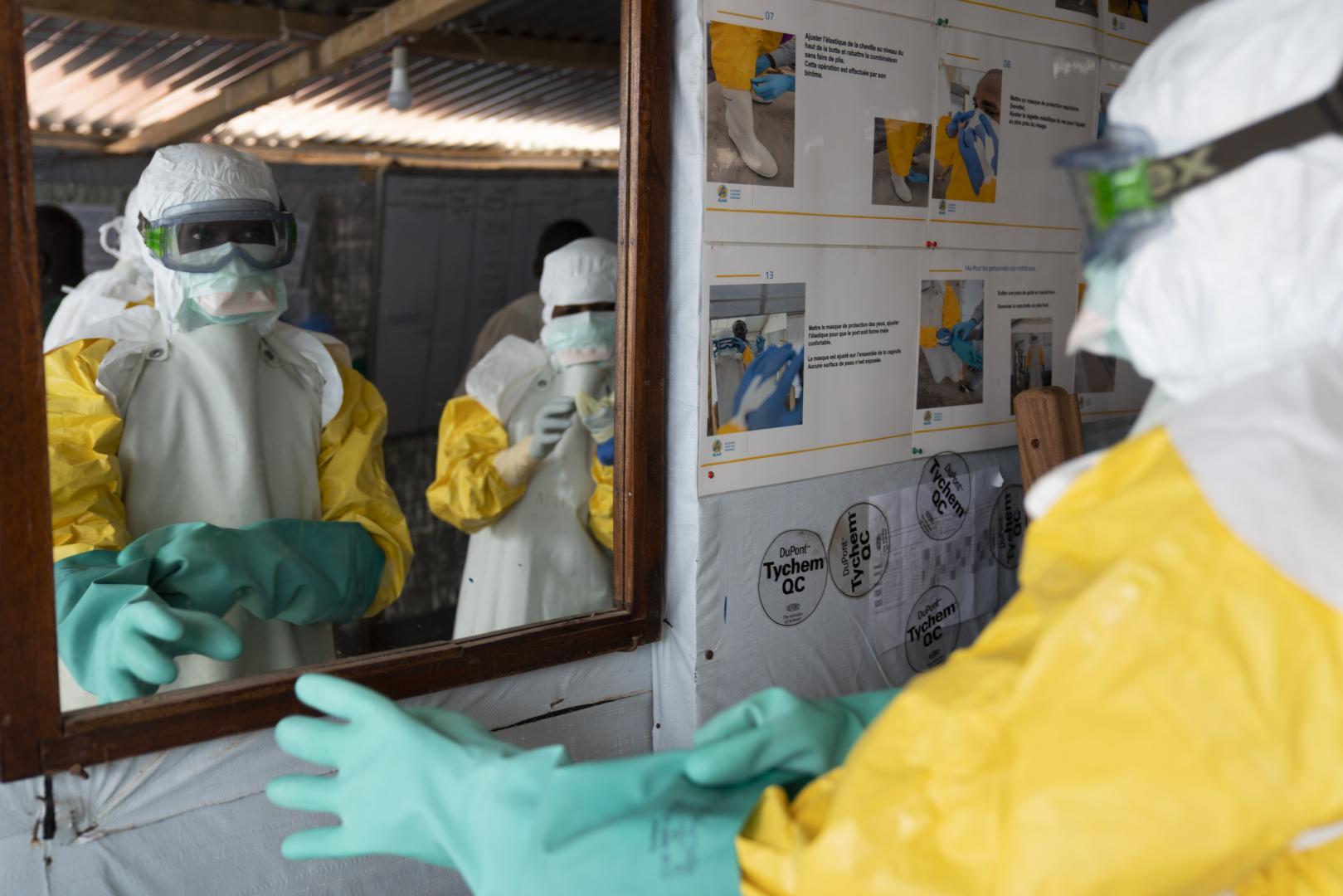
Kenya has confirmed a ninth case of Ebola, with health authorities saying all eight surviving patients are improving.
The latest Kenyan case involves a 24-year-old man who is a close relative of the first patient. He developed symptoms while in quarantine and tested positive on 19 October, according to the Kenyan Ministry of Health.
In a statement published on its X account on Tuesday and signed by Patrick Amoth, the Director-General for Health, the ministry said all nine cases belonged to one known cluster, with no evidence of transmission beyond the group.
Kenya’s first patient was a 40-year-old man who travelled from the Democratic Republic of the Congo (DRC) through Uganda before arriving in Nairobi on 3 October. He died at a Nairobi hospital on 5 October.
Treatment and contact tracing
The ministry said the eight surviving patients were stable and responding well to supportive care. It added that it had received 500 doses of medicine to support treatment for confirmed patients.
Contact tracing has also progressed, with 134 of the 135 identified contacts (99.3 per cent) traced and placed in quarantine.


The ministry said contacts who entered quarantine on 6 October and remain symptom-free would complete their 21-day monitoring period and begin returning home from 25 October.
It added that authorities had distributed protective equipment, diagnostic kits, and sample-collection materials to high-risk counties, and established a dedicated laboratory at Kenyatta National Hospital to support testing and prevent disruption to other hospital laboratory services.
Kenya, it noted, has not imposed restrictions on travel, trade or public gatherings. The cases in Kenya are linked to the ongoing Ebola outbreak in the DRC, where the Bundibugyo virus has caused thousands of infections and deaths.
WHO reported more than 8,700 confirmed cases and more than 4,200 deaths in the DRC as of 6 October, with transmission continuing across dozens of health zones.
Nigeria confirms first case
The Kenyan update comes as Nigeria confronts its own Ebola infection, with the federal government confirming the first case in Abuja on Tuesday.
PREMIUM TIMES reported that the patient was a woman who arrived in Nigeria on an international flight from Uganda. She is receiving treatment in isolation at a private hospital in the Federal Capital Territory.
In a statement signed by the Coordinating Minister of Health and Social Welfare, Muhammad Pate, the federal government said it had begun contact tracing and identified 44 close contacts, including healthcare workers, patients, caregivers, and travel contacts.
The government urged healthcare facilities nationwide to remain vigilant, promptly isolate suspected cases, maintain strict infection prevention measures and report suspected infections to public health authorities.
The development has heightened concerns about cross-border transmission, particularly as the outbreak in East and Central Africa coincides with frequent international travel and movement between countries.
Nigeria’s response includes surveillance, laboratory testing, isolation and contact tracing to identify possible infections and limit further transmission.
Discover more from Premium Times Nigeria
Subscribe to get the latest posts sent to your email.
News
SSA Adeboye Opens Talks With Morocco on Grassroots Sports Partnership, International Opportunities for Nigerian Talents

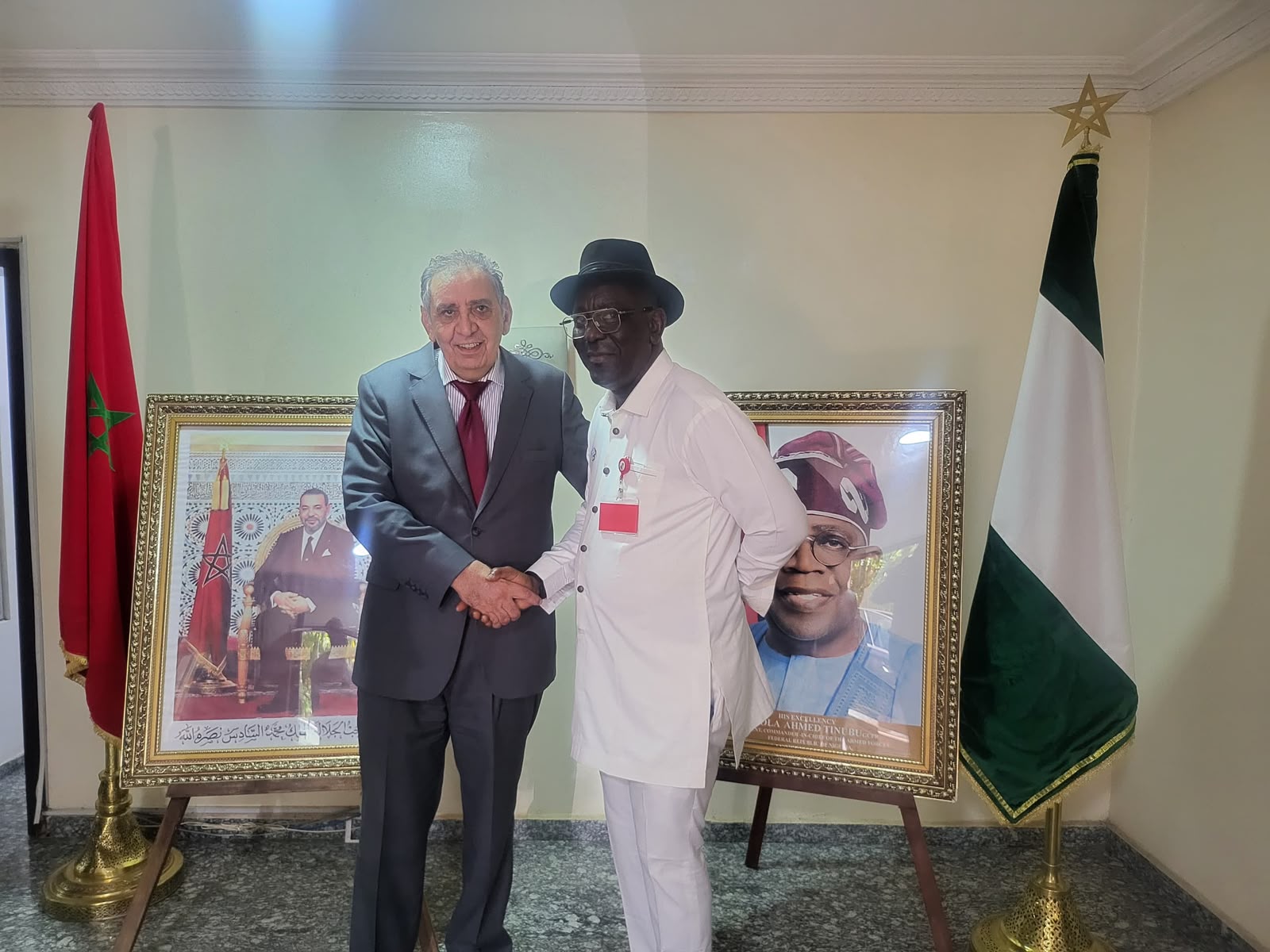
The Senior Special Assistant to the President on Grassroots Sports Development, Hon. Adeboye Anthony Adeyinka, has taken another step towards expanding international opportunities for young Nigerian athletes following a diplomatic engagement with the Ambassador of the Kingdom of Morocco to Nigeria, His Excellency Moha Ou Ali Tagma, in Abuja.
Adeboye, who paid a courtesy visit to the Moroccan Embassy on Tuesday, held discussions with the Ambassador on strengthening bilateral cooperation in grassroots sports development, talent discovery, technical exchange and youth empowerment.
The meeting explored opportunities for both countries to leverage their sporting relationships to create sustainable development pathways for young athletes, coaches and sports administrators.
Speaking during the engagement, Adeboye emphasised that Nigeria’s ambition to become a stronger sporting nation requires strategic international partnerships capable of connecting grassroots talents with modern training methods, technical expertise and competitive opportunities.
“Our responsibility is not simply to discover talents but to ensure they have the right environment, exposure and opportunities to develop. Morocco has made significant investments in sports development, and there are valuable areas where both countries can collaborate for the benefit of our young people,” Adeboye stated.
The Presidential aide noted that sports diplomacy has become an important instrument for strengthening international relationships while creating opportunities for economic growth, cultural exchange and youth development.
He explained that collaboration between Nigeria and Morocco could open doors for coaching education, technical assistance, youth competitions, institutional partnerships and knowledge-sharing initiatives.
“We want partnerships that move beyond discussions to practical programmes. When young athletes, coaches and administrators have opportunities to learn, compete and exchange ideas internationally, the benefits ultimately return to our communities and national sporting system,” he added.
Adeboye also stressed the importance of creating structured pathways through which talented young Nigerians, particularly those emerging from schools, academies and community competitions, can access development opportunities without being limited by their backgrounds.
The visit comes as the Office of the Senior Special Assistant continues preparations for the National Grassroots Sports Development Summit 2026, scheduled for November 18 and 19 at the Banquet Hall, Presidential Villa, Abuja.
The Summit, themed “Creating a New Pathway for Sustainable Grassroots Sports Development,” is expected to provide a platform for strengthening domestic and international partnerships towards a more sustainable sports development framework.
Adeboye expressed appreciation to Ambassador Tagma for the warm reception and constructive discussions, describing the engagement as an encouraging foundation for exploring mutually beneficial cooperation.
“Nigeria and Morocco share a passion for sports and a strong belief in the potential of young people. We must translate that shared interest into opportunities that can positively impact the next generation,” he said.
The Presidential aide reaffirmed his Office’s commitment to pursuing partnerships that strengthen grassroots participation, improve talent development and position Nigerian youths for greater sporting opportunities internationally.
-

 News2 days ago
Euromatch NPFL: Matchday 9 results
-
News3 days ago
NUCAP: Nigeria targets 20 million people with 3,700 telecom towers – Technology Times
-
News4 days ago
Gunmen storm Plateau mining site, kill two persons
-
News4 days ago
Nigeria needs stronger collaboration ‘to shape internet governance’ – Technology Times