
Health
Ebola: Uganda restricts transit for travellers from DRC

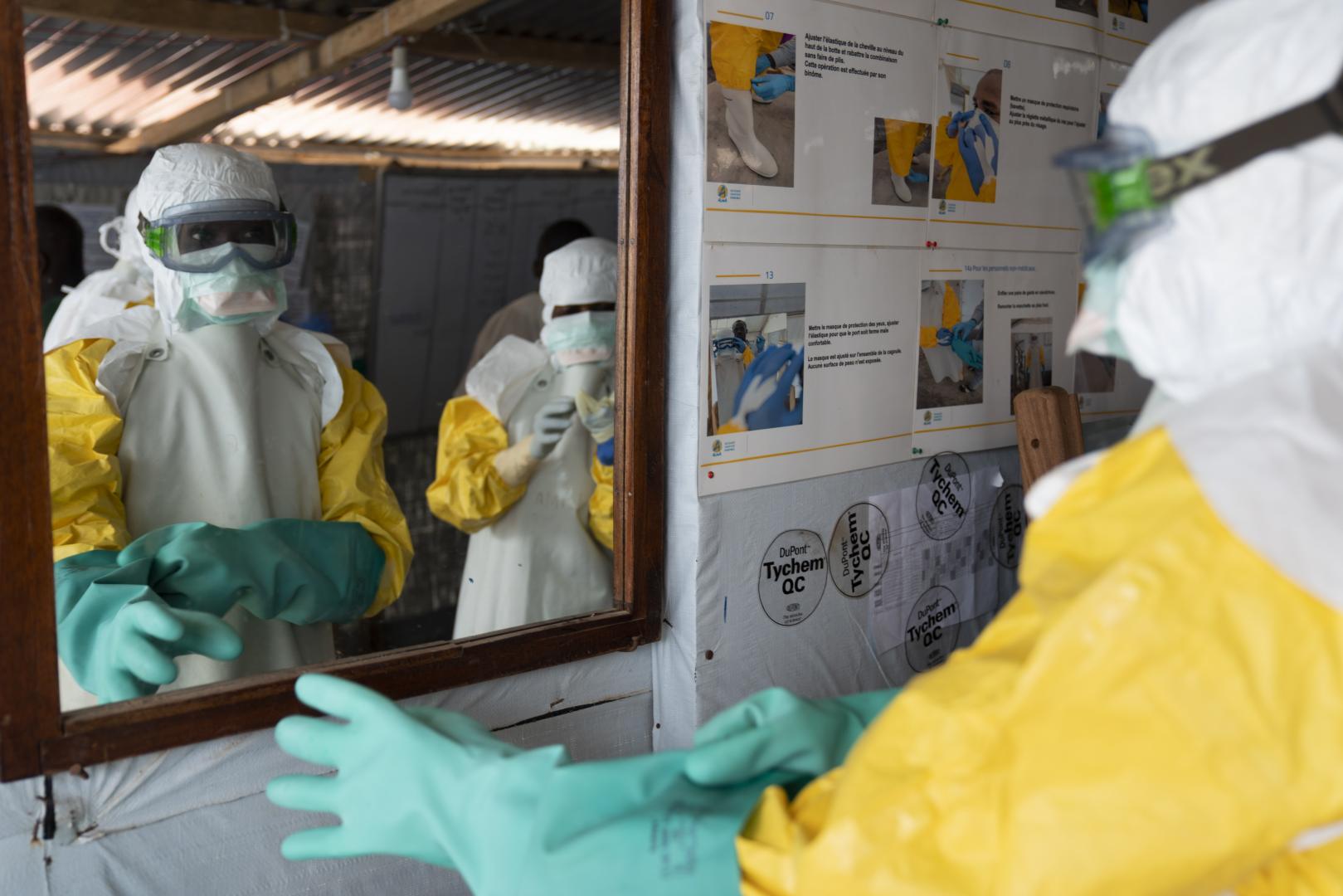
Uganda has barred travellers with a history of travel to the Democratic Republic of the Congo (DRC) from transiting through the country as it investigates the traveller who tested positive for Ebola disease in Nigeria.
The Ugandan Ministry of Health announced the measure on Friday, alongside the reinstatement of traveller locator forms “to facilitate timely follow-up and contact tracing where necessary.”
“The Ministry of Health wishes to update the country on an ongoing investigation into the traveller who tested positive for Bundibugyo Virus Disease in Nigeria.
“Available information indicates that the traveller did not exhibit symptoms at the time of departure from Uganda. However, investigations are continuing to establish the timing of symptom onset and the circumstances surrounding her infection,” the ministry noted in a statement signed by its Director General of Health Services, Charles Olaro.
It added that Uganda is working with Nigerian health authorities to establish the traveller’s full travel history, movements and possible exposure. It has also requested additional information from Nigeria, including detailed travel records and genomic sequencing results, where available.
The country insisted that it “remains Ebola-free.”


Uganda had earlier battled an outbreak of Ebola disease caused by the Bundibugyo virus, which was declared on 15 May 2026 after cases were imported from the DRC.
The country recorded 20 confirmed cases, including two deaths, before declaring the outbreak over in August after 42 days without a new locally acquired case.
As of 20 October, the DRC had recorded 9,704 confirmed cases and 4,687 deaths across eight provinces, according to the World Health Organisation (WHO).
Uganda tightens controls
The ministry said infection prevention and control measures had been reinforced at all points of entry and exit and health facilities, while surveillance continued across the country.
It also warned that provisions of Uganda’s Public Health Act would be invoked where public health requirements were breached.
The ministry urged communities to report suspected unauthorised border crossings to relevant authorities for screening and public health follow-up.
The ministry urged travellers and the public to remain calm and vigilant, practise proper hand hygiene and comply with screening and other public health measures.
Earlier Uganda clarification
Uganda’s latest measures follow an earlier clarification after Nigeria announced its Ebola case and said the patient had arrived on an international flight from Uganda.
On 21 October, Uganda said the traveller’s passage through the country does not establish that she contracted Ebola there. The ministry said preliminary information indicated that she had travelled to eastern DRC for business before passing through Uganda and that she had not shown symptoms while in the country.
Uganda also said at the time that it had no active Ebola cases. The latest statement maintains that position, saying investigations with Nigerian authorities are still ongoing.
Nigeria case linked to Kenya
On Friday, Nigeria announced a genomic finding showing that the virus detected in its patient is highly similar to the virus found in Kenya’s first imported case.
Nigeria’s Coordinating Minister of Health and Social Welfare, Muhammad Pate, said the finding does not establish that the Nigerian patient was infected in Kenya, as there was no evidence that she had travelled there.
The Africa Centres for Disease Control and Prevention (Africa CDC) had earlier said it was investigating a possible link between the Nigerian and Kenyan cases because both patients travelled through Uganda’s Entebbe International Airport on 3 October.
Kenya’s first case was imported from the DRC through Uganda. The country has since recorded nine confirmed cases, including two deaths, with the eight additional cases linked to the first patient.
Discover more from Premium Times Nigeria
Subscribe to get the latest posts sent to your email.



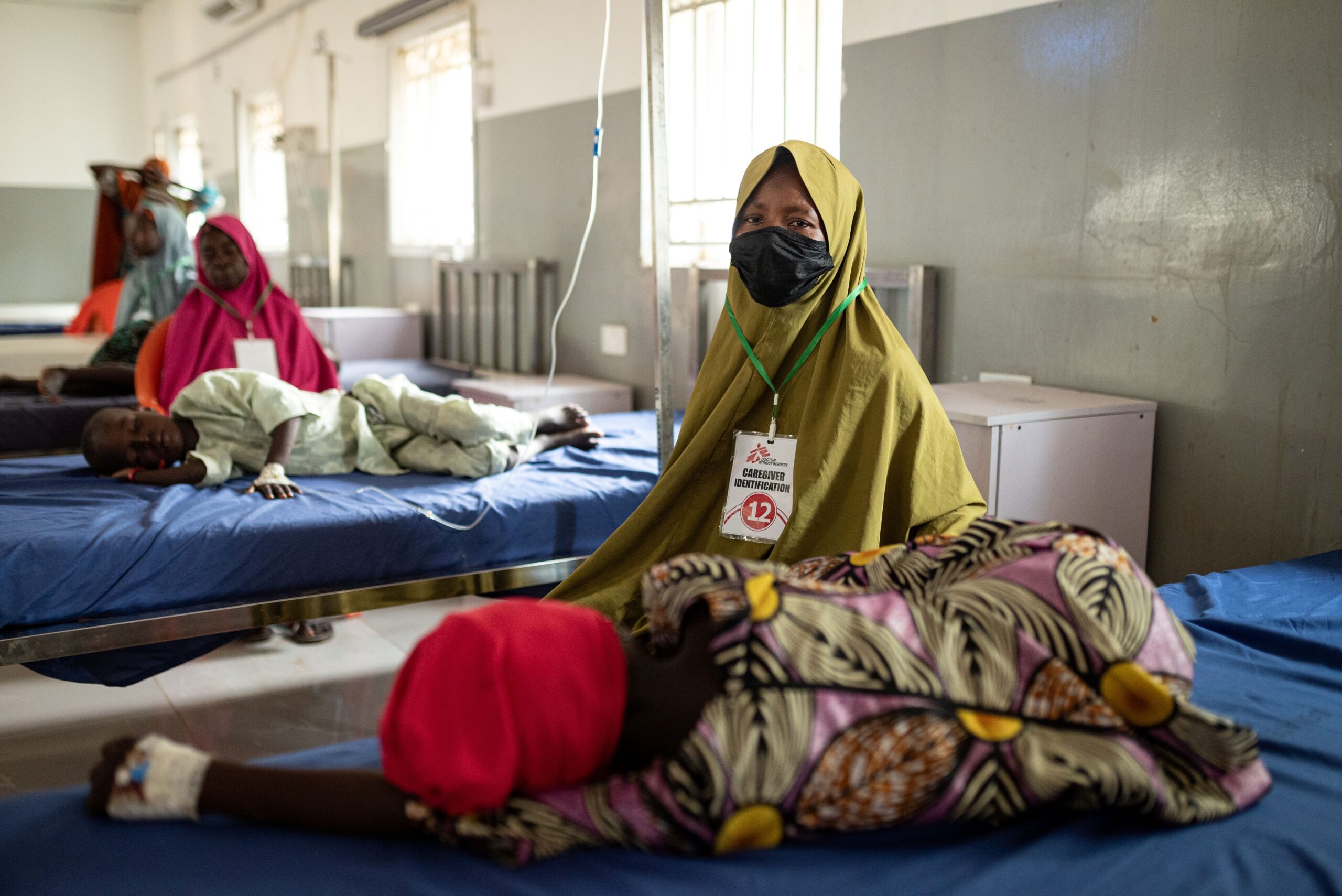
Médecins Sans Frontières (MSF) has warned that shortages of a lifesaving medicine are forcing medical teams to ration treatment for diphtheria patients in northern Nigeria, where more than 28,000 confirmed infections and 1,100 deaths have been reported this year.
The warning comes as figures attributed to the Nigeria Centre for Disease Control and Prevention (NCDC) show that the outbreak continues to spread, particularly among children who are unvaccinated or have not received all their recommended vaccine doses.
In a statement issued on Friday, MSF said supplies of diphtheria antitoxin (DAT), which neutralises the toxin responsible for potentially fatal complications, were dangerously low.
The organisation called on federal and state authorities, donors and international partners to urgently secure additional medicines and vaccines, ensure their timely clearance at ports and improve distribution to affected communities.
Treatment shortage threatens patients
MSF’s Medical Coordinator in Nigeria, David Kizito, warned that the shortage could compromise the treatment of severely ill patients.
“Our stocks are dangerously low, and we risk being unable to treat children and save lives as the outbreak continues,” he said.

Diphtheria is a vaccine-preventable bacterial infection that can cause fever, sore throat and a thick membrane in the throat, sometimes obstructing breathing. Severe infections can damage the heart, nerves and kidneys.
According to the World Health Organisation (WHO), diphtheria antitoxin neutralises toxins circulating in the bloodstream, while antibiotics help eliminate the bacteria and reduce transmission.
Early administration of antitoxin is particularly important because it cannot reverse damage once the toxin has entered body cells.
MSF said limited global production and inconsistent availability had left treatment facilities struggling to obtain adequate supplies.
However, the organisation did not specify which facilities had exhausted their stocks, how many patients had been unable to obtain treatment or whether any deaths were directly attributable to the shortages.
Nigeria records 1,126 deaths
The warning comes amid a prolonged outbreak that began in late 2022.
PREMIUM TIMES reports that a situation report issued on 11 November by the International Federation of Red Cross and Red Crescent Societies (IFRC) and the Nigerian Red Cross Society, citing NCDC data, indicates that Nigeria recorded 37,529 suspected diphtheria cases, 28,151 confirmed infections and 1,126 deaths in 2026 as of 7 November.
The report said the outbreak had affected 26 states and the Federal Capital Territory, covering 361 local government areas.
Kano accounted for 12,008 confirmed cases, approximately 43 per cent of the national total.
The figures are substantially higher than those in MSF’s latest statement, which relied on NCDC statistics from 9 August, when 406 deaths had been reported for 2026.
The difference reflects reporting from separate periods and may include subsequent updates to surveillance records.
Katsina: 70 severe cases in 18 days
In Katsina State, MSF reported managing 86 diphtheria cases between 26 October and 12 November, including 70 classified as severe and 16 as non-severe.
Severe infections accounted for approximately 81 per cent of the patients managed by its teams during the period, although the figures do not represent the severity of all diphtheria infections recorded across the state.
MSF said its teams also reached 1,315 contacts through surveillance and contact-tracing activities. Of these, 1,301 received vaccinations, while 1,311 were given preventive antibiotics.
The organisation did not provide the locations of the cases or a breakdown of recoveries and deaths.
The development follows earlier concerns about the capacity of health facilities to manage the outbreak.
On 31 August, PREMIUM TIMES reported that the Federal Teaching Hospital (FTH), Katsina, was struggling with an influx of suspected and confirmed diphtheria patients, leaving its children’s ward under considerable pressure.
The hospital attributed the overcrowding partly to referrals from other facilities across the state.
In response, the federal government announced an emergency multi-agency task force to strengthen surveillance, immunisation and access to treatment in Katsina and Kano.
The intervention included plans to supply additional antitoxin, antibiotics, medical personnel and protective equipment to FTH Katsina.
Authorities also announced plans to establish treatment annexes across Katsina’s three senatorial districts — Katsina, Daura and Funtua — to reduce pressure on the referral hospital.
MSF’s latest statement did not indicate whether those facilities had become operational or how much additional antitoxin had been delivered since the intervention was announced.
Zamfara vaccine shortage
In neighbouring Zamfara State, MSF said its supported facilities in Gusau recorded more than 671 diphtheria admissions over approximately one month beginning on 6 October.
Most patients were children, while four out of every five had not been vaccinated.
The organisation also reported a substantial shortfall in vaccine supplies for an emergency immunisation campaign.
Of the 90,000 doses required, only 25,000 had been supplied, representing approximately 28 per cent of the stated requirement.
MSF said it was working with government health authorities to secure the outstanding doses and expand vaccination activities.
The shortfall highlights the continuing difficulties facing efforts to protect children against the disease.
In October, PREMIUM TIMES reported that the Executive Director of the National Primary Health Care Development Agency (NPHCDA), Muyi Aina, said about 93 per cent of children affected by recent diphtheria outbreaks had not received their full recommended vaccine doses.
Mr Aina said some had never been vaccinated, while others had received fewer than the three recommended doses. He identified misinformation and vaccine hesitancy among the challenges affecting immunisation uptake.
MSF’s response
Despite the challenges, MSF said its teams had treated more than 9,000 diphtheria patients through facility-based and community interventions since the beginning of its 2026 response.
In Kano, the organisation supported vaccination campaigns in April and June, administering more than 835,000 doses to children in partnership with the state Ministry of Health.
READ ALSO: Meningitis: Anambra, Ebonyi, Enugu intensify vaccination, urge residents to stay hydrated
It also supported two vaccination rounds in Sokoto between February and April, reaching 49,018 children under 15.
The organisation said it was supporting treatment, surveillance, infection prevention and vaccination efforts in several northern states, alongside government health authorities.
MSF called for increased global production of diphtheria antitoxin and sustained investment in routine childhood immunisation to prevent further outbreaks.
The latest warning also draws renewed attention to the emergency measures announced by the federal government in August, particularly the delivery of antitoxin supplies and the proposed expansion of treatment facilities in Katsina.
The extent to which those interventions have improved access to treatment remains to be established.
Discover more from Premium Times Nigeria
Subscribe to get the latest posts sent to your email.

Women in northern Nigeria continue to bear a disproportionate burden of maternal deaths, with the Northwest and Northeast geopolitical zones accounting for about three-quarters of reported fatalities in health facilities, according to the 2026 Joint Annual Review (JAR) Statistical Book.
The report also highlights significant disparities in maternal health outcomes between rural and urban areas, with rural women recording a maternal mortality ratio of 656 deaths per 100,000 live births, compared with 444 deaths per 100,000 live births in urban areas.
Produced by the Federal Ministry of Health and Social Welfare, the report reviews the third year of implementation of the Health Sector Strategic Blueprint. It was presented at the third Nigeria Health Sector Joint Annual Review in Abuja on 10 November.
The findings highlight persistent inequalities in maternal healthcare access and outcomes, despite a reported decline in maternal deaths across health facilities nationally.
According to the report, Nigeria recorded thousands of maternal deaths in health facilities between January and September 2026, although the figures represent only deaths captured by the facility reporting system.
The ministry acknowledged that the figures could be underreported or overreported but described the data as reliable for monitoring trends in the health sector.
Maternal mortality remains high
Maternal mortality refers to the death of a woman during pregnancy, childbirth or within 42 days of the termination of pregnancy from causes related to or aggravated by the pregnancy or its management.
Most maternal deaths are preventable through timely access to quality antenatal care, skilled birth attendance, emergency obstetric services and appropriate postnatal care.
Despite the reported improvements, Nigeria’s maternal mortality ratio remains a major public health concern.
The JAR Statistical Book puts the country’s maternal mortality ratio at 572 deaths per 100,000 live births, significantly above the Sustainable Development Goal (SDG) target of fewer than 70 deaths per 100,000 live births by 2030.
The burden is particularly concerning given Nigeria’s contribution to global maternal deaths.
In its 2023 report, titled “Improving Maternal and Newborn Health and Survival and Reducing Stillbirths: Progress Report 2023”, the World Health Organisation (WHO) estimated that Nigeria recorded 82,000 maternal deaths, 181,000 stillbirths and 277,000 neonatal deaths in 2020.
The combined 540,000 deaths accounted for 12 per cent of global maternal, stillbirth and neonatal deaths, despite Nigeria contributing only six per cent of global live births.
The report ranked Nigeria second after India among countries with the highest combined burden of maternal deaths, stillbirths and neonatal deaths.
Reported maternal deaths decline
The JAR data indicate a downward trend in facility-reported maternal deaths over the review period.
The country recorded 5,391 maternal deaths in health facilities in 2024, compared with 4,455 in 2025.
The figure declined further in 2026, although the exact total requires confirmation against the final statistical table. The quarterly data also indicate improvements.
Following a peak in the second quarter of 2024, maternal deaths and the maternal mortality ratio generally declined. By the third quarter of 2026, the maternal mortality ratio had fallen to 128 deaths per 100,000 live births, representing a reduction of about 46 per cent from the earlier peak.
Maternal deaths during the same period also declined by approximately 40 per cent to 947.
However, these improvements have not been evenly distributed across the country.
Northern states bear the burden
According to the report, maternal deaths over the past three years were heavily concentrated in the Northwest and Northeast geopolitical zones.
By 2026, the two zones together accounted for approximately three-quarters of all documented maternal deaths in health facilities.
The five northern states with the highest maternal mortality burden were Kano, Borno, Jigawa, Yobe and Katsina.
While the national figures showed a downward trend, maternal deaths reportedly increased across the two northern zones, contrasting with reductions recorded in southern parts of the country.
ALSO READ: Faith leaders urged to confront beliefs, family decisions driving maternal deaths in Kano
In most southern states, fewer than 50 maternal deaths were reported. The states with the lowest recorded numbers included Osun (four deaths), Abia (five), Enugu (eight), Ekiti (nine), and Bayelsa (nine).
Maternal morbidity
Beyond deaths, the report also highlights the burden of maternal morbidity, including complications that can have lasting effects on women’s health, wellbeing and livelihoods. In 2026, approximately 3,060 women were diagnosed with vesicovaginal fistula (VVF), compared with 4,350 in 2025.
VVF is an abnormal opening between the bladder and vagina that can result in continuous, involuntary leakage of urine, often following prolonged or obstructed labour.
Of the women diagnosed in 2026, 1,737 underwent surgical repair, representing 56.8 per cent of those diagnosed. This was lower than in 2025, when 2,564 women (59 per cent) underwent repairs.
The Northwest and Northeast again recorded the highest burden, with 1,420 and 982 cases, respectively, in 2026. The figures underscore the need to strengthen access to emergency obstetric care, timely referrals and surgical treatment, particularly in underserved communities.
Discover more from Premium Times Nigeria
Subscribe to get the latest posts sent to your email.
-

 News2 days ago
UNIJOS Appoints Patricia Lar as First Female Vice-Chancellor
-
News3 days ago
NiYA: Nigeria Awards ₦49m grants to 17 young entrepreneurs – Technology Times
-
News2 days ago
Democrats launch Nvidia investigation, write scathing letter on Huang’s ‘scheme’ with Trump
-
News2 days ago
Nigeria opens 3MTT Cohort 5 with ₦4bn funding – Technology Times