News
‘We Believe In These Super Falcons’ — NFF General Secretary Mohammed Sanusi Rallies Nigeria Ahead Of WAFCON

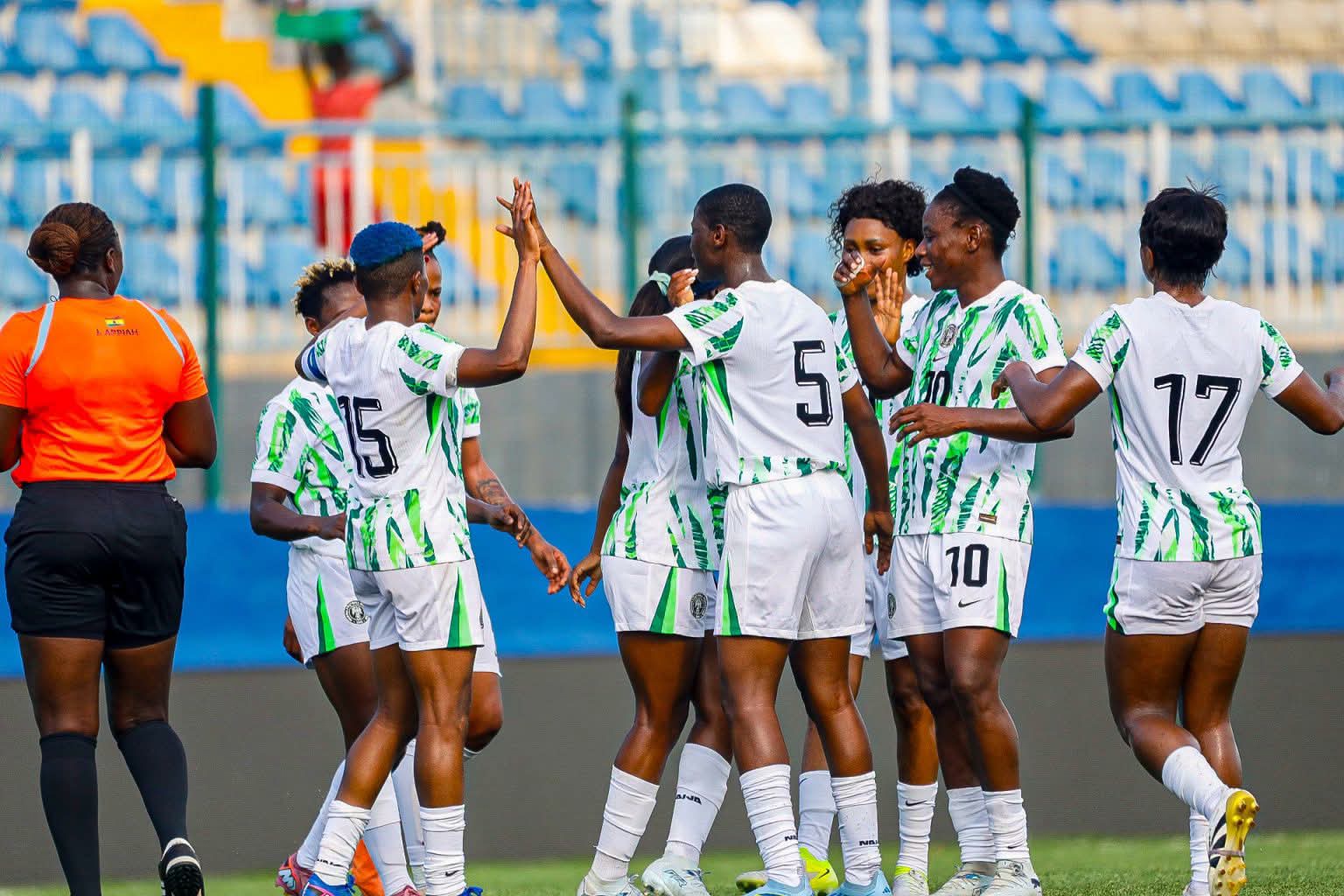
General Secretary of the Nigeria Football Federation (NFF), Dr Mohammed Sanusi, has called on Nigerians to throw their full support behind the Super Falcons as they prepare to defend their Women’s Africa Cup of Nations (WAFCON) title and chase qualification for the 2027 FIFA Women’s World Cup.
With the continental showpiece set to kick off in Morocco, Sanusi said the NFF leadership has absolute confidence in the squad’s ability to retain the African crown while securing one of the qualification spots for the World Cup in Brazil.
The Super Falcons head into the tournament as defending champions after defeating hosts Morocco to win a record-extending 10th WAFCON title, making them favourites to challenge for another continental triumph.
“The NFF board has complete confidence in the Super Falcons. We believe they have what it takes to defend the title and qualify for the 2027 FIFA Women’s World Cup,” Sanusi said.
The NFF General Secretary also appealed to football stakeholders, supporters and the media to unite behind the team throughout the competition, stressing that a positive atmosphere around the squad could play an important role in their campaign.
Sanusi urged Nigerians to set aside differences and avoid distractions that could affect the team’s preparations as they seek another successful outing on the continental stage.
“This is the time for us to stand together as one nation. We should support the team wholeheartedly and avoid creating unnecessary negativity around them because they need our encouragement,” he added.
Nigeria remains the most successful nation in the history of the Women’s Africa Cup of Nations, and the Super Falcons will once again carry the country’s hopes when they begin their title defence in Morocco.
The team is expected to continue its final preparations before opening its WAFCON campaign, with the dual objective of retaining the continental trophy and securing qualification for the 2027 FIFA Women’s World Cup.








Views: 7
JOS GHETTO STORIES
Your Beginning Is Not Your Ending.
Welcome to Jos Ghetto Stories — a new Jos Events series created to tell the stories that are often overlooked, but should never be forgotten.
From the narrow streets of Gangare, Nasarawa, Angwan Rogo, Jenta-Adamu, Congo-Russia, Tudun Wada, Katako, Dadin Kowa, Bukuru and other communities across Jos, there are children growing up surrounded by challenges many of us may never fully understand.
Some wake up without knowing where their next meal will come from.
Some go to school with torn shoes.
Some live in crowded homes, struggle to afford basic needs, or watch their parents battle every day just to keep the family going.
And some are already beginning to believe that because they were born into hardship, hardship is all life has to offer them.
But we are here to tell them something different.
YOU CAN STILL BECOME GREAT.
Your address does not determine your destiny.
The street you grew up on does not decide the height you can reach.
Poverty may be part of your story, but it does not have to be the final chapter.
Look at Jos.
This city has produced and nurtured people who have gone on to make their mark far beyond the streets where their journeys began.
John Obi Mikel and Ogenyi Onazi, Ahmed Musa went from Jos to becoming aome of Nigeria’s most recognisable footballers, they all grew up from the Ghetto streets of Jos and made it in life through football to the point of representing Nigeria at the highest level.
Jeremiah Gyang, M.I Abaga and Ice Prince carried the sound and creativity of Jos into the Nigerian music industry and beyond.
P-Square and 2Baba are among the major names whose stories are connected to Jos.
Saint Obi,Dayo Okeniyi took their journey from Jos into international acting, while filmmakers Dimbo Atiya and Kenneth Gyang, have used film to tell stories that travel far beyond home.
And there are many more whose names may not yet be famous—but whose stories prove that greatness can rise from ordinary beginnings. 
So when we walk through the streets of Jos and meet these children, we are not looking at “ghetto children.”
We are looking at future doctors, engineers, footballers, musicians, filmmakers, entrepreneurs, teachers, leaders, creatives and nation builders.
We are looking at potential.
We are looking at dreams waiting for an opportunity.
Because sometimes, all a child needs is somebody to look them in the eyes and say:
“I believe in you.”
That is what Jos Ghetto Stories is about.
We will tell the stories of the streets.
We will show the struggles.
We will celebrate the talent.
We will listen to the dreams.
And most importantly, we will remind every young person watching that you can become the best version of yourself, regardless of where you started.
Your parents may not have everything.
Your environment may not be perfect.
You may not have the opportunities others have.
But never allow your circumstances to convince you that you cannot become somebody.
The world may see a child from the slum.
We see a future star.
The world may see a difficult beginning.
We see a story waiting to become extraordinary.
This is Jos Ghetto Stories.
Stories from the streets.
Stories of struggle.
Stories of hope.
Stories of talent.
Stories of resilience.
Stories of people who refuse to let their circumstances define them.
Because from the streets of Jos, greatness can rise.
And perhaps, the next great story is the child standing beside you.
JOS EVENTS PRESENTS: JOS GHETTO STORIES.
Your Beginning Is Not Your Ending.
Dream. Believe. Rise.


News
“Give Eguavoen Time” — Osahon Urges Patience as Super Falcons Begin Crucial LA 2028 Mission Against Comoros

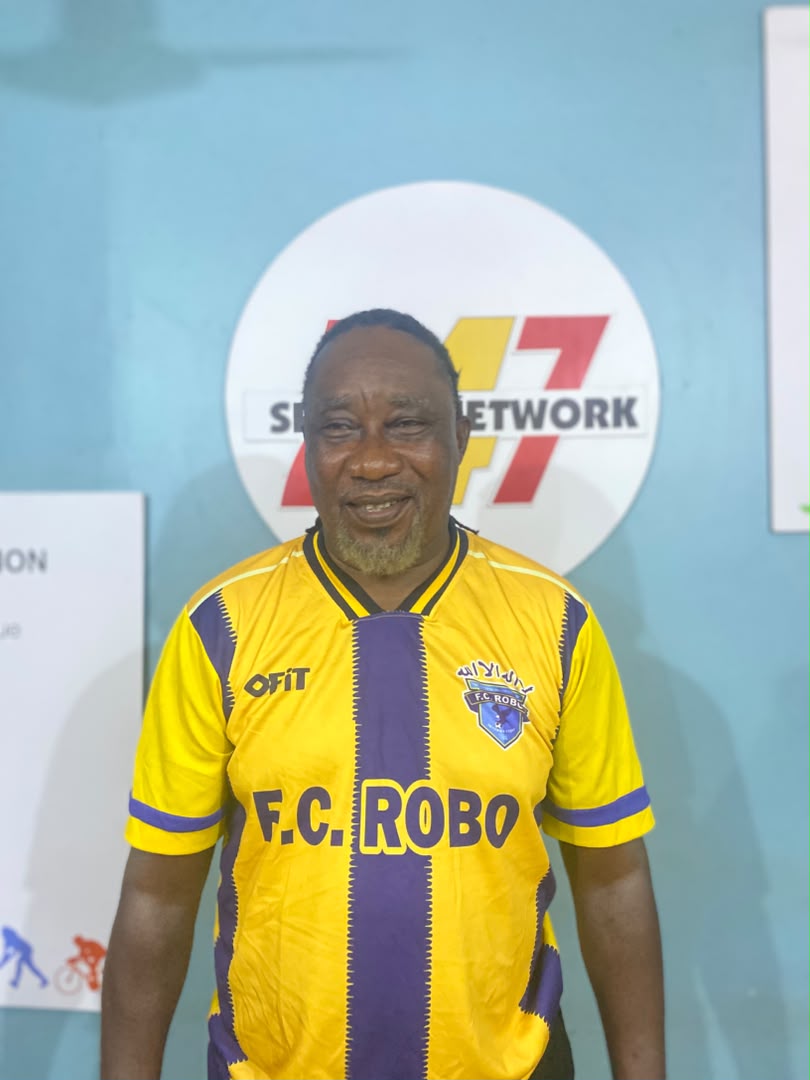
FC Robo Queens proprietor Emmanuel Osahon has called for patience with interim Super Falcons head coach Augustine Eguavoen, insisting the experienced tactician needs sufficient time to impose his ideas as Nigeria begins its qualification campaign for the Los Angeles 2028 Olympic Games.
Eguavoen’s first competitive assignment with the women’s national team comes on Friday when the Super Falcons face Comoros in the first leg of their second-round Olympic qualifier at the Remo Stars Stadium in Ikenne-Remo.
Osahon, who previously backed the Nigeria Football Federation’s decision to appoint Eguavoen, believes expectations must be balanced with the reality that the coach has only had a short period to work with his players.
He warned against judging the new technical arrangement solely on immediate performances, stressing that implementing a fresh philosophy and developing understanding within the squad requires time.
Eguavoen was appointed on an interim basis in September and is assisted by Christopher Danjuma, Ayisat Yusuf and Olatunji Baruwa.
His preparations have also been complicated by player availability. Twenty-one players were in camp by Tuesday, while Asisat Oshoala and Ashleigh Plumptre were among those unavailable for the tie.
Oluwatosin Demehin and Flourish Sabastine were also ruled out, while youngsters Oluwakemi Adegbuyi and Favour Nkwocha were released to the Flamingos.
Despite those challenges, Nigeria will be expected to overcome Comoros, who reached the second round following an extraordinary 30-0 aggregate victory over Sudan. Both legs will be staged in Ikenne on October 9 and 13 because Comoros do not have a CAF-approved venue.
The Super Falcons face a lengthy road to Los Angeles, with Nigeria needing to negotiate four knockout rounds to secure one of Africa’s two Olympic tickets. Victory over Comoros would set up a third-round meeting with either Morocco or DR Congo.
For Osahon, therefore, the immediate objective is qualification, but the bigger picture is allowing Eguavoen to build.
His message ahead of Friday is simple: demand results from the Super Falcons, but give their new coach enough time to create the team capable of delivering them consistently.
-

 News3 days ago
2027: El-Rufai’s detention could hurt APC, generate sympathy – SEDSAC director, other analysts express views
-
News4 days ago
Nigerians warned as AI creates new sextortion threat – Technology Times
-
News2 days ago
Lucid Motors’ EV output falls to lowest level in almost 2 years
-
Business3 days ago
NAIPE 11th Annual Conference Moves to 12 Noon as 28 Stakeholders Back Event