Health
Katsina health workers suspend strike


Health workers in Katsina State have suspended their seven-day warning strike following talks with Governor Dikko Radda over outstanding salary adjustments and welfare demands.
The suspension took effect on Sunday, 18 October, according to a circular reportedly issued by the Assembly of Healthcare Professionals (AHCP).
The development was announced in a newsflash attributed to the governor’s Chief Press Secretary, Ibrahim Mohammed, and also reported by Katsina Times.
The circular, dated 17 October and attributed to the assembly’s chairman, Ibrahim Balange, directed members to resume clinical and administrative duties across public health facilities following a meeting with the governor on 16 October.
The assembly comprises the Medical and Health Workers Union of Nigeria (MHWUN), the National Association of Nigerian Nurses and Midwives (NANNM), and the National Union of Allied Health Professionals (NUAHP).
According to the statement, the governor committed to reopening negotiations over the workers’ outstanding demands, including salary adjustments, allowances and career progression.


However, the announcement did not establish whether the government had agreed to the workers’ proposed salary adjustments or when outstanding payments would be made.
Government’s commitments
The statement attributed to Mr Kaula said the government agreed to reopen negotiations through a technical roundtable.
The commitments include a review and implementation of the Consolidated Health Salary Structure (CONHESS) in accordance with applicable government circulars, alongside a comprehensive review of hazard, call duty and shift duty allowances.
The government also reportedly agreed to address the skipping of CONHESS grade level 10 for eligible officers, in line with the applicable scheme of service.
A joint technical committee is expected to be established with defined terms of reference and a timeline for addressing the outstanding issues.
However, neither the statement nor the reported circular specified when the committee would begin work or when the proposed adjustments would be implemented.
The assembly reportedly commended Mr Radda for intervening in the dispute and thanked its members for their cooperation during the industrial action.
How the dispute began
The suspension follows months of disagreement between health workers and the Katsina State Government over salary disparities and allowances.
As PREMIUM TIMES reported on 15 October, the assembly declared the warning strike after a seven-day notice issued on 7 October expired without a satisfactory resolution.
Mr Balange said the dispute dated back to 2024, when the government indicated plans to review health workers’ remuneration in line with what their counterparts receive in federal health institutions.
A committee established to examine the complaints subsequently submitted recommendations in March 2025, but the union said the government failed to implement them.
According to the union, the state’s Office of Public Service Reform initially offered workers 10 per cent of the salary difference between state and federal health professionals.
The government later increased the offer to 15 per cent, but the workers rejected it as inadequate.
Mr Balange said the assembly had sought full implementation of the applicable federal salary structure and allowances but was willing to accept 75 per cent as a compromise.
The disagreement eventually led to the warning strike, which began on 14 October.
Patients affected by strike
The industrial action disrupted services at public hospitals, leaving patients and caregivers uncertain about access to treatment.
A PREMIUM TIMES report published on Sunday documented disruptions at Turai Yar’Adua Maternal and Child Hospital in Katsina.
During a visit to the hospital on Saturday, only a few patients were seen around the surgical ward.
Caregivers expressed concern over the disruption, including difficulties accessing treatment for patients requiring medical attention.
The state Head of Service, Masa’ud Banye, had confirmed that government officials were engaging the unions to resolve the disagreement.
Although the assembly has now directed its members to return to work, the extent to which normal services have resumed across affected hospitals has not been independently established.
What remains unresolved
The suspension ends the immediate industrial action but leaves questions about the implementation of the government’s commitments.
The reported agreement does not clarify whether the government has withdrawn its earlier 15 per cent offer, accepted the union’s proposed 75 per cent compromise or agreed to another salary adjustment.
It also provides no specific date for settling outstanding allowances or completing negotiations.
The workers are seeking improved remuneration and allowances comparable to those available to their counterparts in federal health institutions.
For now, the reported agreement provides a basis for renewed negotiations, while the resolution of the underlying dispute depends on whether the government and unions reach an implementable settlement.
Discover more from Premium Times Nigeria
Subscribe to get the latest posts sent to your email.






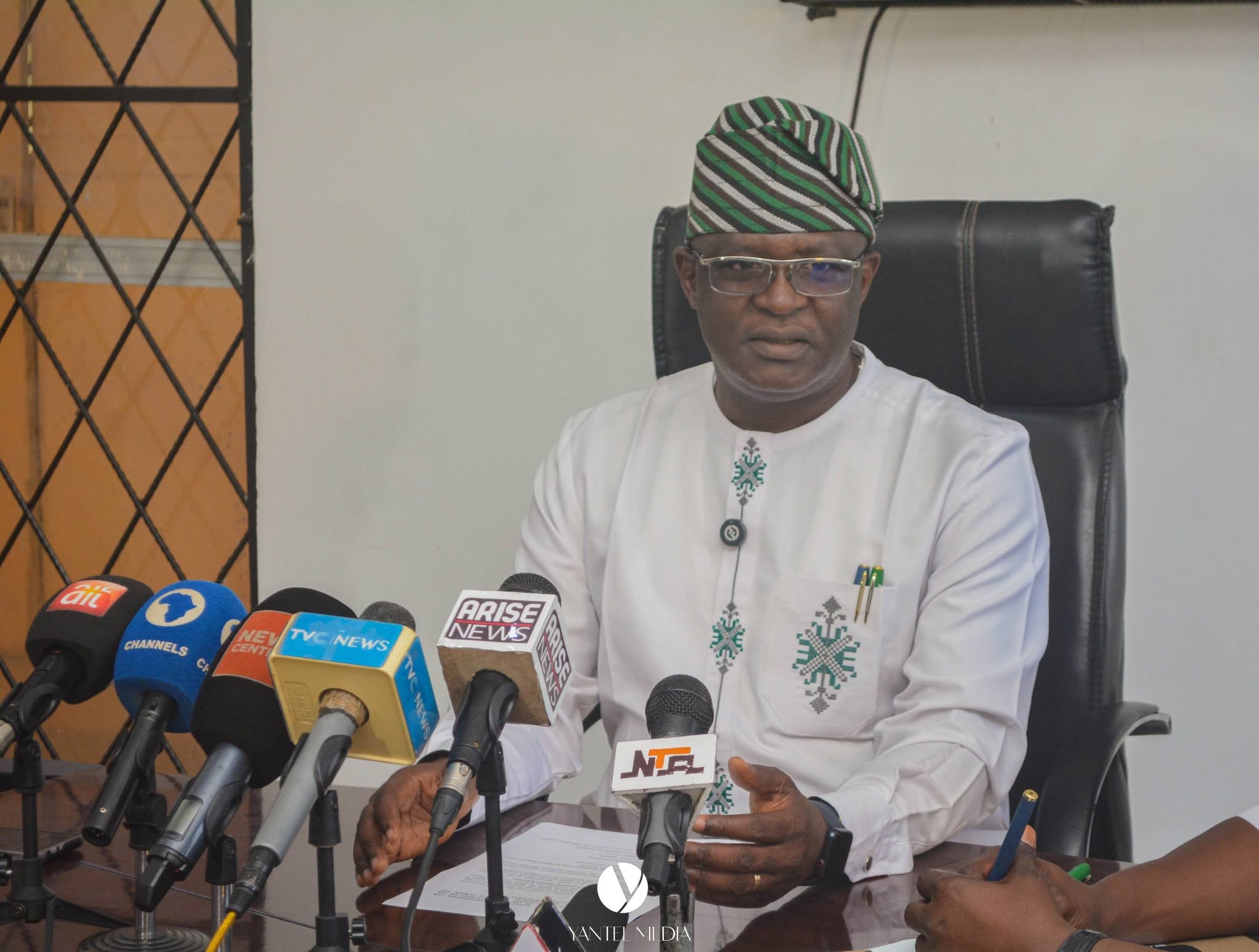
The Plateau State Government has raised concerns over the growing burden of diabetes after recording 5,457 suspected new cases between January and September, highlighting the need for expanded screening and early diagnosis.
The figure, disclosed by the state Commissioner for Health, Nicholas Ba’amlong, on Monday in Jos, comes after the state recorded 5,546 suspected cases throughout 2025.
Speaking at a press briefing to commemorate the 2026 World Diabetes Day, Mr Ba’amlong said the figures represented suspected cases and not confirmed diagnoses, but warned that many residents could be living with the condition without knowing their health status.
“Diabetes remains a major public health concern because many people are living with the condition without knowing their status,” he said.
The commissioner also cited findings from the 2024 nationwide Know Your Number, Control Your Number screening campaign, which showed that 14,359 people were screened in Plateau State, with 2,610, representing about 18 per cent, recording elevated blood glucose levels.
He, however, cautioned against interpreting the findings as the prevalence of diabetes in the state, explaining that elevated blood glucose readings from a screening exercise did not amount to confirmed diagnoses.
“The findings highlight the need to expand access to screening, diagnosis and treatment, but they do not represent the prevalence of diabetes in the state,” he said.
As part of activities marking this year’s World Diabetes Day, the state Ministry of Health, in collaboration with the Plateau chapters of the Diabetes Association of Nigeria and the Endocrine and Metabolic Society of Nigeria, organised a free workplace screening exercise at the Joseph Gomwalk Secretariat Complex in Jos.
Mr Ba’amlong said the exercise targeted 1,000 civil servants and included blood glucose and blood pressure checks, weight and body mass index assessments, health education, counselling and referrals for further medical attention where necessary.
He said the government was working to expand diabetes awareness and screening services to underserved communities across the state’s 17 local government areas through primary healthcare facilities and community outreach programmes.
“The state government, under Governor Caleb Mutfwang, is working towards extending diabetes education and screening services to underserved communities across the 17 local government areas through existing primary healthcare facilities and community outreach programmes,” he said.
According to him, the government is also exploring partnerships and appropriate medical technologies to improve access to diagnostic services, particularly at the primary healthcare level, while strengthening follow-up and referral systems for people with elevated blood glucose levels.
ALSO READ: WHO raises alarm as 75% of diabetes cases in Africa remain undiagnosed
“Screening is only the beginning. Early detection must lead to appropriate diagnosis and treatment,” he added.
The commissioner urged residents, particularly those with a family history of diabetes, excess weight or high blood pressure, to undergo regular blood glucose checks and seek medical attention when necessary.
He also advised residents to adopt healthier lifestyles through balanced diets, regular physical activity and weight management, while avoiding tobacco and limiting alcohol consumption.
Mr Ba’amlong identified excessive thirst, frequent urination, unexplained weight loss and persistent fatigue as symptoms that could indicate diabetes.
He urged people already living with the condition to adhere to prescribed treatment and attend regular medical reviews to prevent complications.
World Diabetes Day is observed annually on 14 November to raise awareness about diabetes, promote prevention and improve access to quality care for people living with the condition.
Discover more from Premium Times Nigeria
Subscribe to get the latest posts sent to your email.
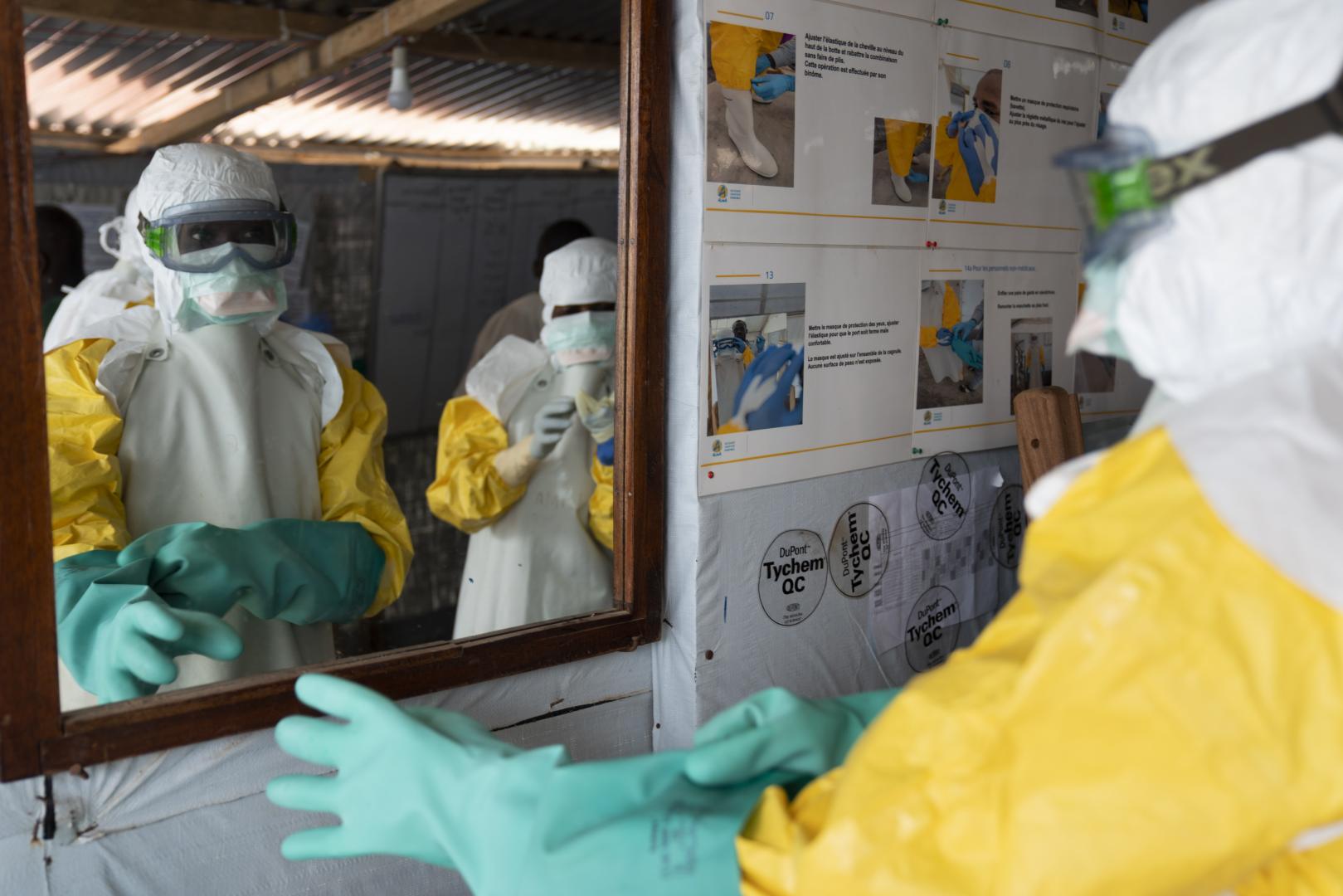
Insecurity has been identified as one of the “greatest obstacles” to containing the Ebola outbreak in the Democratic Republic of the Congo (DRC), where more than 11,000 cases and 5,400 deaths have been reported.
The World Health Organisation (WHO), in a news release published on 15 November, said attacks on health workers and facilities, displacement and difficulties reaching remote communities were disrupting efforts to contain the outbreak.
The outbreak, caused by the Bundibugyo virus, has spread to 67 health zones across eight provinces, with between 400 and 500 new cases reported weekly.
“Children account for more than a quarter of confirmed cases and one third of deaths. Seven in 10 children under five with confirmed Ebola have died,” it noted.
Attack on healthcare
According to the WHO, a recent armed attack in Cantine-Aloya killed 66 civilians, including three health workers, while three health facilities were looted.
The attack also resulted in more than 1,000 contacts being lost to follow-up, with three confirmed cases still unaccounted for. Another attack on the town was reported on 11 November.
According to WHO, more than 80 attacks on healthcare have been recorded since the outbreak was declared.
“A halt in hostilities is urgently needed to protect communities and health workers, and to safeguard the progress made over the past six months,” it noted.
The WHO said about two-thirds of confirmed deaths occurred in communities, suggesting that many infections were being identified too late for patients to receive timely treatment.
Cross-border transmission concerns
WHO also highlighted the risk of the outbreak spreading beyond the DRC, following recent imported cases in Kenya and Nigeria.
The agency said cross-border collaboration has strengthened surveillance, information-sharing and coordination among affected and at-risk countries.
“Recent imported cases in Kenya and Nigeria underscore the continuing risk of spread beyond national borders. Delays in paying frontline health workers and responders create tension and slow the response,” it said.
WHO said the developments underscored the need for neighbouring countries to maintain surveillance and preparedness, particularly around high-risk border areas.
Response gains
Despite the challenges, WHO said efforts had slowed transmission in some of the outbreak’s initial hotspots, including Mongbwalu, Nyankunde, Nizi, Rwampara and Butembo.
Diagnostic capacity has expanded from two laboratories to more than two dozen, while nearly 2,000 treatment beds are available across 104 treatment and transit centres.
About 3,000 people have recovered from the disease, while more than 17,000 community health workers and 46,000 community actors have been trained to support the response.
WHO said sustained funding, safe access for health workers and greater community participation would be essential to reaching areas that remain difficult to access and bringing the outbreak under control.
READ ALSO: WHO urges concrete action on antimicrobial resistance worldwide
Nigeria records no new infections
In Nigeria, the index patient evacuated to Switzerland has recovered and been discharged from hospital. At the same time, all 62 people identified as contacts have completed the mandatory 21-day monitoring period without any secondary infection.
The Nigeria Centre for Disease Control and Prevention (NCDC) disclosed this on 13 November, saying the patient tested negative for the virus after receiving further treatment in Switzerland.
NCDC Director-General, Jide Idris, said 13 of the 62 contacts developed fever or other symptoms during monitoring, but all tested negative. Seven suspected Ebola cases reported in five states were also investigated, with none testing positive.
“However, it is important to note that the completion of contact monitoring does not, by itself, constitute a formal declaration that an outbreak is over. Such a determination must be based on the applicable public health criteria and the findings of ongoing surveillance,” it noted.
“Nigeria therefore remains vigilant, particularly given the continued occurrence of Ebola virus disease in the DRC.”
Discover more from Premium Times Nigeria
Subscribe to get the latest posts sent to your email.
-

 News4 days ago
Every ₦1 spent on advertising generates ₦16.50 in Nigeria’s GDP, ARCON says – Technology Times
-
News3 days ago
Tinubu (APC) in Jos: Promises to restore peace in the State and Nigeria
-
News3 days ago
Heavy Security as Tinubu Takes Campaign to Jos
-
News3 days ago
Yari Defends Tinubu on Insecurity, Says Opposition Failed to Tackle Crisis for Over 20 Years