
Health
Ebola: NCDC expands health declaration requirement for international travellers


The Nigeria Centre for Disease Control and Prevention (NCDC) has expanded its health declaration requirement for international travellers after confirming an Ebola case in the Federal Capital Territory (FCT).
The agency’s Director-General, Jide Idris, announced the decision during a media briefing in Abuja on Sunday.
Mr Idris said the requirement initially applied to international travellers but was later restricted to passengers arriving from selected countries linked to the Ebola outbreak, including the Democratic Republic of the Congo (DRC) and Uganda.
“But with this case, we have reversed that directive,” he said.
He said the NCDC had sent advisories to the Federal Airports Authority of Nigeria (FAAN) and the Nigerian Civil Aviation Authority (NCAA), and expected further instructions to guide implementation in collaboration with airlines.
Airport screening
Mr Idris said Nigeria’s preparedness measures had focused on five international airports: Lagos, Abuja, Enugu, Kano and Port Harcourt.


He said Port Health Services was working with aviation personnel, immigration and customs officials to strengthen preparedness and screening at the country’s points of entry.
According to Mr Idris, the NCDC needs to coordinate with aviation authorities because it does not independently control airport operations.
He said agencies were working together to implement the required measures, while immigration and customs officials were involved at land borders.
Mr Idris also acknowledged operational challenges at Lagos airport, where ongoing construction had created difficulties. He said the NCDC would engage FAAN and the NCAA to address issues affecting Port Health Services’ work.
He added that access to restricted airport areas must follow established security procedures.
Ebola response
The revised screening measures form part of Nigeria’s response to a confirmed case of Ebola disease caused by the Bundibugyo virus in the FCT on 20 October.
As PREMIUM TIMES reported, the patient is a 42-year-old Ugandan woman who travelled to Nigeria from Uganda on 3 October. She developed symptoms on 6 October and sought medical attention before her infection was confirmed.
At Sunday’s briefing, Mr Idris said health authorities had identified 53 primary contacts linked to the patient. These comprise 44 people associated with the health facility where she received treatment and nine additional contacts, including household members. They attended to her at another facility and were members of the FCT team that collected samples.
He said contact tracing was ongoing and that officials were monitoring the identified contacts.
ALSO READ: Ebola: NCDC urges hospitals to act before laboratory confirmation
Health officials are following up with contacts for 21 days, the maximum incubation period for Ebola, to identify any symptoms that might indicate infection.
Mr Idris appealed to Nigerians identified as contacts to cooperate with public health officials, stressing that being identified as a contact does not mean a person has Ebola.
The NCDC is also strengthening infection prevention and control measures in healthcare facilities, supporting laboratory capacity and providing public health information to counter rumours and misinformation.
The agency urged Nigerians to rely on verified information from authorised public health sources and cooperate with response measures as investigations continue.
Discover more from Premium Times Nigeria
Subscribe to get the latest posts sent to your email.


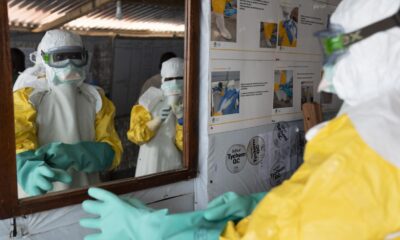


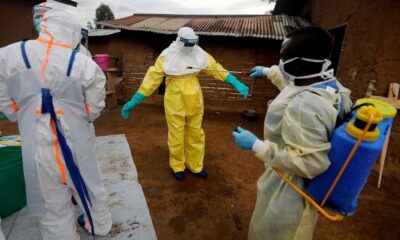

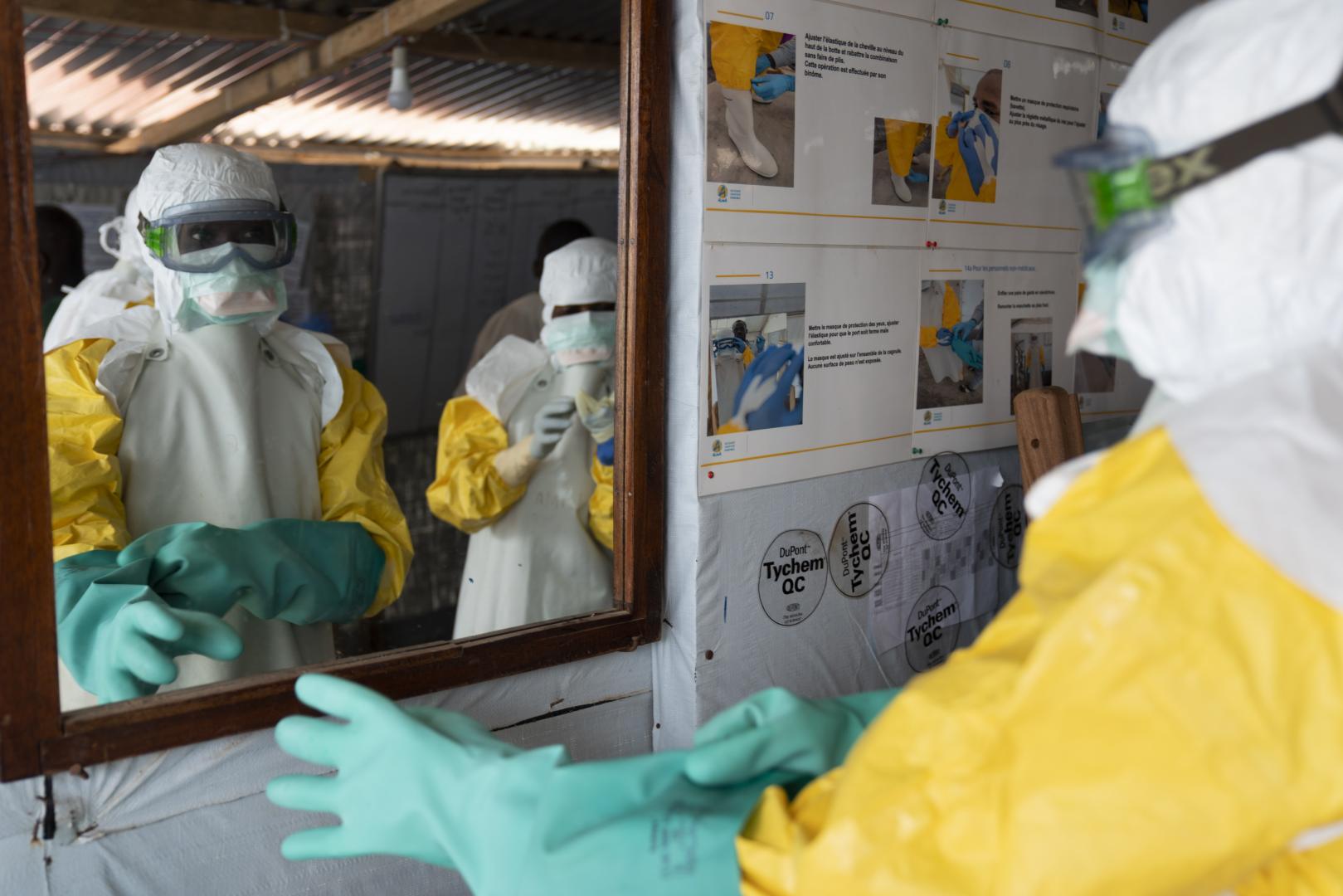
Insecurity has been identified as one of the “greatest obstacles” to containing the Ebola outbreak in the Democratic Republic of the Congo (DRC), where more than 11,000 cases and 5,400 deaths have been reported.
The World Health Organisation (WHO), in a news release published on 15 November, said attacks on health workers and facilities, displacement and difficulties reaching remote communities were disrupting efforts to contain the outbreak.
The outbreak, caused by the Bundibugyo virus, has spread to 67 health zones across eight provinces, with between 400 and 500 new cases reported weekly.
“Children account for more than a quarter of confirmed cases and one third of deaths. Seven in 10 children under five with confirmed Ebola have died,” it noted.
Attack on healthcare
According to the WHO, a recent armed attack in Cantine-Aloya killed 66 civilians, including three health workers, while three health facilities were looted.
The attack also resulted in more than 1,000 contacts being lost to follow-up, with three confirmed cases still unaccounted for. Another attack on the town was reported on 11 November.
According to WHO, more than 80 attacks on healthcare have been recorded since the outbreak was declared.
“A halt in hostilities is urgently needed to protect communities and health workers, and to safeguard the progress made over the past six months,” it noted.
The WHO said about two-thirds of confirmed deaths occurred in communities, suggesting that many infections were being identified too late for patients to receive timely treatment.
Cross-border transmission concerns
WHO also highlighted the risk of the outbreak spreading beyond the DRC, following recent imported cases in Kenya and Nigeria.
The agency said cross-border collaboration has strengthened surveillance, information-sharing and coordination among affected and at-risk countries.
“Recent imported cases in Kenya and Nigeria underscore the continuing risk of spread beyond national borders. Delays in paying frontline health workers and responders create tension and slow the response,” it said.
WHO said the developments underscored the need for neighbouring countries to maintain surveillance and preparedness, particularly around high-risk border areas.
Response gains
Despite the challenges, WHO said efforts had slowed transmission in some of the outbreak’s initial hotspots, including Mongbwalu, Nyankunde, Nizi, Rwampara and Butembo.
Diagnostic capacity has expanded from two laboratories to more than two dozen, while nearly 2,000 treatment beds are available across 104 treatment and transit centres.
About 3,000 people have recovered from the disease, while more than 17,000 community health workers and 46,000 community actors have been trained to support the response.
WHO said sustained funding, safe access for health workers and greater community participation would be essential to reaching areas that remain difficult to access and bringing the outbreak under control.
READ ALSO: WHO urges concrete action on antimicrobial resistance worldwide
Nigeria records no new infections
In Nigeria, the index patient evacuated to Switzerland has recovered and been discharged from hospital. At the same time, all 62 people identified as contacts have completed the mandatory 21-day monitoring period without any secondary infection.
The Nigeria Centre for Disease Control and Prevention (NCDC) disclosed this on 13 November, saying the patient tested negative for the virus after receiving further treatment in Switzerland.
NCDC Director-General, Jide Idris, said 13 of the 62 contacts developed fever or other symptoms during monitoring, but all tested negative. Seven suspected Ebola cases reported in five states were also investigated, with none testing positive.
“However, it is important to note that the completion of contact monitoring does not, by itself, constitute a formal declaration that an outbreak is over. Such a determination must be based on the applicable public health criteria and the findings of ongoing surveillance,” it noted.
“Nigeria therefore remains vigilant, particularly given the continued occurrence of Ebola virus disease in the DRC.”
Discover more from Premium Times Nigeria
Subscribe to get the latest posts sent to your email.
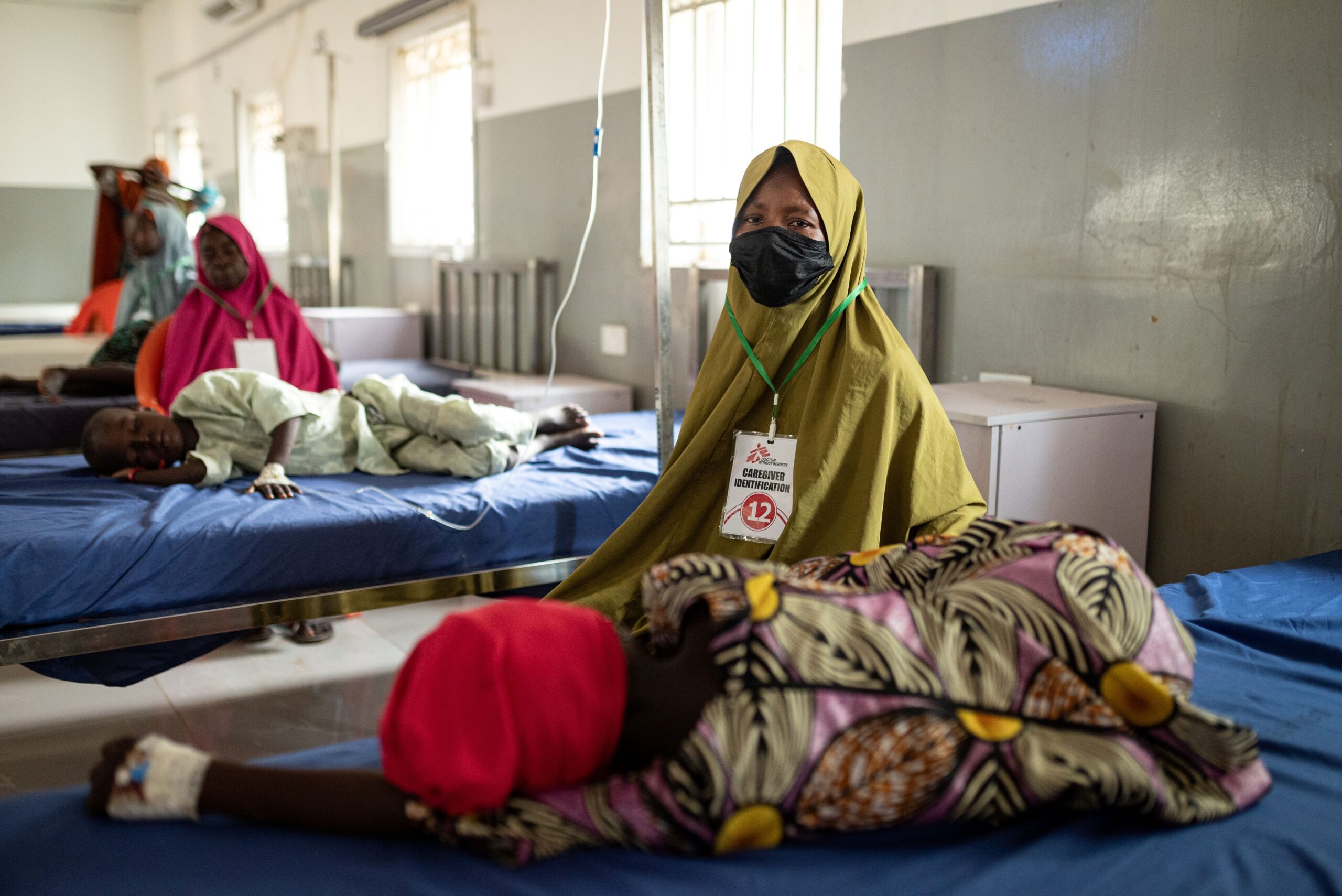
Médecins Sans Frontières (MSF) has warned that shortages of a lifesaving medicine are forcing medical teams to ration treatment for diphtheria patients in northern Nigeria, where more than 28,000 confirmed infections and 1,100 deaths have been reported this year.
The warning comes as figures attributed to the Nigeria Centre for Disease Control and Prevention (NCDC) show that the outbreak continues to spread, particularly among children who are unvaccinated or have not received all their recommended vaccine doses.
In a statement issued on Friday, MSF said supplies of diphtheria antitoxin (DAT), which neutralises the toxin responsible for potentially fatal complications, were dangerously low.
The organisation called on federal and state authorities, donors and international partners to urgently secure additional medicines and vaccines, ensure their timely clearance at ports and improve distribution to affected communities.
Treatment shortage threatens patients
MSF’s Medical Coordinator in Nigeria, David Kizito, warned that the shortage could compromise the treatment of severely ill patients.
“Our stocks are dangerously low, and we risk being unable to treat children and save lives as the outbreak continues,” he said.

Diphtheria is a vaccine-preventable bacterial infection that can cause fever, sore throat and a thick membrane in the throat, sometimes obstructing breathing. Severe infections can damage the heart, nerves and kidneys.
According to the World Health Organisation (WHO), diphtheria antitoxin neutralises toxins circulating in the bloodstream, while antibiotics help eliminate the bacteria and reduce transmission.
Early administration of antitoxin is particularly important because it cannot reverse damage once the toxin has entered body cells.
MSF said limited global production and inconsistent availability had left treatment facilities struggling to obtain adequate supplies.
However, the organisation did not specify which facilities had exhausted their stocks, how many patients had been unable to obtain treatment or whether any deaths were directly attributable to the shortages.
Nigeria records 1,126 deaths
The warning comes amid a prolonged outbreak that began in late 2022.
PREMIUM TIMES reports that a situation report issued on 11 November by the International Federation of Red Cross and Red Crescent Societies (IFRC) and the Nigerian Red Cross Society, citing NCDC data, indicates that Nigeria recorded 37,529 suspected diphtheria cases, 28,151 confirmed infections and 1,126 deaths in 2026 as of 7 November.
The report said the outbreak had affected 26 states and the Federal Capital Territory, covering 361 local government areas.
Kano accounted for 12,008 confirmed cases, approximately 43 per cent of the national total.
The figures are substantially higher than those in MSF’s latest statement, which relied on NCDC statistics from 9 August, when 406 deaths had been reported for 2026.
The difference reflects reporting from separate periods and may include subsequent updates to surveillance records.
Katsina: 70 severe cases in 18 days
In Katsina State, MSF reported managing 86 diphtheria cases between 26 October and 12 November, including 70 classified as severe and 16 as non-severe.
Severe infections accounted for approximately 81 per cent of the patients managed by its teams during the period, although the figures do not represent the severity of all diphtheria infections recorded across the state.
MSF said its teams also reached 1,315 contacts through surveillance and contact-tracing activities. Of these, 1,301 received vaccinations, while 1,311 were given preventive antibiotics.
The organisation did not provide the locations of the cases or a breakdown of recoveries and deaths.
The development follows earlier concerns about the capacity of health facilities to manage the outbreak.
On 31 August, PREMIUM TIMES reported that the Federal Teaching Hospital (FTH), Katsina, was struggling with an influx of suspected and confirmed diphtheria patients, leaving its children’s ward under considerable pressure.
The hospital attributed the overcrowding partly to referrals from other facilities across the state.
In response, the federal government announced an emergency multi-agency task force to strengthen surveillance, immunisation and access to treatment in Katsina and Kano.
The intervention included plans to supply additional antitoxin, antibiotics, medical personnel and protective equipment to FTH Katsina.
Authorities also announced plans to establish treatment annexes across Katsina’s three senatorial districts — Katsina, Daura and Funtua — to reduce pressure on the referral hospital.
MSF’s latest statement did not indicate whether those facilities had become operational or how much additional antitoxin had been delivered since the intervention was announced.
Zamfara vaccine shortage
In neighbouring Zamfara State, MSF said its supported facilities in Gusau recorded more than 671 diphtheria admissions over approximately one month beginning on 6 October.
Most patients were children, while four out of every five had not been vaccinated.
The organisation also reported a substantial shortfall in vaccine supplies for an emergency immunisation campaign.
Of the 90,000 doses required, only 25,000 had been supplied, representing approximately 28 per cent of the stated requirement.
MSF said it was working with government health authorities to secure the outstanding doses and expand vaccination activities.
The shortfall highlights the continuing difficulties facing efforts to protect children against the disease.
In October, PREMIUM TIMES reported that the Executive Director of the National Primary Health Care Development Agency (NPHCDA), Muyi Aina, said about 93 per cent of children affected by recent diphtheria outbreaks had not received their full recommended vaccine doses.
Mr Aina said some had never been vaccinated, while others had received fewer than the three recommended doses. He identified misinformation and vaccine hesitancy among the challenges affecting immunisation uptake.
MSF’s response
Despite the challenges, MSF said its teams had treated more than 9,000 diphtheria patients through facility-based and community interventions since the beginning of its 2026 response.
In Kano, the organisation supported vaccination campaigns in April and June, administering more than 835,000 doses to children in partnership with the state Ministry of Health.
READ ALSO: Meningitis: Anambra, Ebonyi, Enugu intensify vaccination, urge residents to stay hydrated
It also supported two vaccination rounds in Sokoto between February and April, reaching 49,018 children under 15.
The organisation said it was supporting treatment, surveillance, infection prevention and vaccination efforts in several northern states, alongside government health authorities.
MSF called for increased global production of diphtheria antitoxin and sustained investment in routine childhood immunisation to prevent further outbreaks.
The latest warning also draws renewed attention to the emergency measures announced by the federal government in August, particularly the delivery of antitoxin supplies and the proposed expansion of treatment facilities in Katsina.
The extent to which those interventions have improved access to treatment remains to be established.
Discover more from Premium Times Nigeria
Subscribe to get the latest posts sent to your email.
-

 News4 days ago
UNIJOS Appoints Patricia Lar as First Female Vice-Chancellor
-
News3 days ago
Democrats launch Nvidia investigation, write scathing letter on Huang’s ‘scheme’ with Trump
-
News2 days ago
Tinubu (APC) in Jos: Promises to restore peace in the State and Nigeria
-
News4 days ago
Nigeria opens 3MTT Cohort 5 with ₦4bn funding – Technology Times