Connect with us

News

2027: El-Rufai’s detention could hurt APC, generate sympathy – SEDSAC director, other analysts express views 

info

Published

on

Nasir El Rufai.jpg

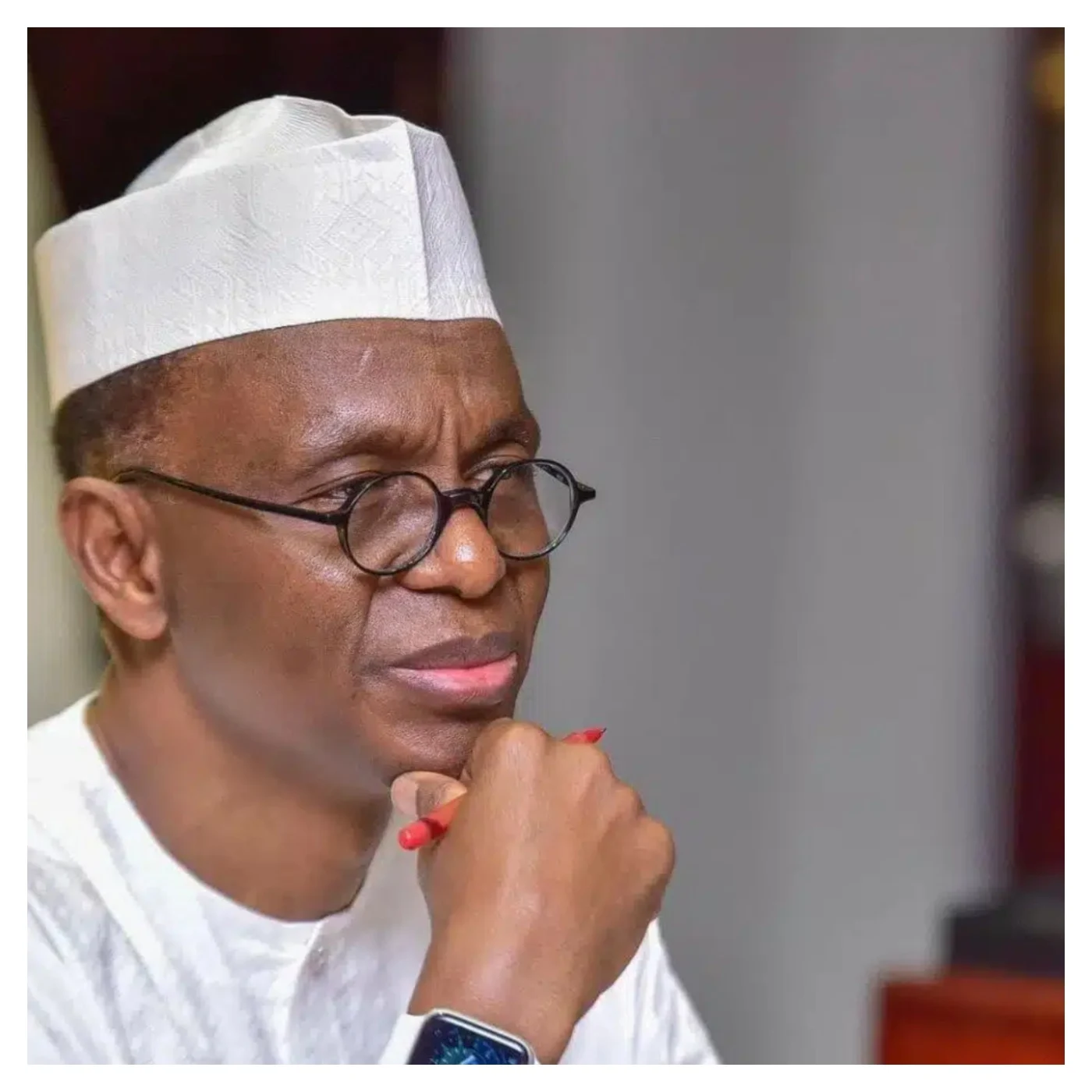
The continued detention of former Kaduna State Governor, Nasir El-Rufai, has sparked debate over its potential impact on the political fortunes of the All Progressives Congress, APC, in Northern Nigeria ahead of the 2027 elections.

While some political analysts believe the detention could weaken the opposition by keeping one of its key strategists out of active politics, others argue that it could generate sympathy for El-Rufai and become a mobilisation issue against the ruling party.

El-Rufai has been in detention since February 2026 in connection with corruption-related investigations and subsequent court proceedings.

He was arraigned by the Independent Corrupt Practices and Other Related Offences Commission, ICPC, on money-laundering charges in March and pleaded not guilty.

Recommended

His continued detention has attracted political reactions, particularly because of his prominence in Northern politics and his subsequent alignment with the opposition African Democratic Congress, ADC.

Some Nigerians have also questioned whether the case is primarily driven by corruption investigations or political considerations.

Political scientist, Dr Kabiru Said Sufi, told DAILY POST that the political consequences of the detention would depend largely on how the public perceives the case.

“People seem to be seeing it either as an elitist fight, the latest fight of the elites, or as a fight between the political class,” Sufi said.

He noted that public anger over the matter appeared to have declined, while the opposition had also failed to sustain the issue as a major campaign subject.

“Surprisingly, even the opposition itself has been somehow quiet,” he said.

According to Sufi, the APC could benefit organisationally from El-Rufai’s absence because of his role as a strategist within the opposition.

“I think the APC government has smartly moved the issue to the judiciary, passed on the issue to the judiciary, and there is less anger over the issue,” he said.

“For now, the way it will help the APC is that one of the strategists of the opposition has been taken out of the equation.”

However, Sufi said the situation could have a different political effect if public anger over the detention resurfaces.

“If the kind of interest and anger we have felt at the beginning had been sustained, then it would have worked against the APC government,” he said.

Political commentator, Comrade Aminu Rabiu Kano, also identified competing political consequences.

“El-Rufai is not an ordinary politician. He is a former governor, a prominent northern political figure and one of the politicians who played a significant role in the emergence of the APC,” Kano told DAILY POST.

He said the Federal Government could present the case as an accountability and rule-of-law matter, but warned that prolonged detention could create a different political narrative.

“Whether that argument is correct or not is a separate question, but politically, perception matters,” Kano said.

According to him, El-Rufai’s detention may limit his physical participation in opposition politics without necessarily eliminating his influence.

“Detaining a politician can restrict his physical participation in politics, but it does not necessarily eliminate his political influence,” he said.

Kano also cautioned against treating Northern voters as a single political bloc, noting that electoral decisions are influenced by security, economic conditions, government performance, candidates, alliances and local political structures.

“If people predominantly see it as a genuine legal process, its electoral impact may be limited,” he said.

“If, however, a significant section of the electorate comes to perceive it as political persecution, then it could become a useful mobilising issue for the opposition.”

Comrade Umar Muhammad Kofar Naisa, Country Director of the Society for Educational Development and Socio-Democratic Activities, SEDSAC, offered a more direct assessment, saying the continued detention could hurt the APC by generating sympathy for the former governor.

“Continued detention of El-Rufai could hurt the APC, especially because he has many supporters as a former governor. It could generate sympathy among the people, and that sympathy may turn into votes on election day,” Kofar Naisa told DAILY POST.

He also pointed to El-Rufai’s role in the political history of the Tinubu administration.

“Anyone who knows the history of the Tinubu administration knows that El-Rufai played a role in bringing it to power. His arrest has further damaged the government’s image because people see it as going after opposition figures,” he said.

Kofar Naisa added that the case could affect perceptions within the APC itself, particularly among members who may become concerned about openly disagreeing with the Federal Government.

“Continued detention could reduce the courage of some APC members because they may feel that whatever contribution they make could eventually lead them to the same situation El-Rufai has found himself in if they disagree with the Federal Government,” he said.

Meanwhile, Emir of Kano, Muhammadu Sanusi II, has questioned the consistency of Nigeria’s anti-corruption campaign, citing El-Rufai’s detention as an example.

Speaking to Channels Television in Lagos, Sanusi said Nigeria has institutions and courts responsible for investigating and prosecuting corruption cases, but stressed the need for consistency in their application.

“An example is my brother Nasir El-Rufai who’s been denied bail. He’s been in detention for seven months, not having been convicted for anything,” he said.

The Emir questioned whether such cases could be interpreted solely as part of the anti-corruption campaign.

The differing views suggest that the political impact of El-Rufai’s detention will depend not only on the duration of the legal proceedings but also on how voters interpret the case and how the APC and opposition parties deploy the issue during the 2027 election campaign.

Continue Reading
Click to comment

Leave a Reply

Your email address will not be published. Required fields are marked *

News

2027: 'Yobe has rejected you' – Dino Melaye mocks Tinubu after Atiku shut down Potiskum

info

Published

on

Dino Melaye,

Former lawmaker, who represented Kogi West Senatorial District, Dino Melaye, says the people of Yobe State have rejected President Bola Tinubu.

Melaye made the claim in a post on his X handle, shortly after the massive turnout that greeted the presidential candidate of the African Democratic Congress, ADC, Atiku Abubakar, in Yobe.

Recall that Atiku stormed Potiskum on Sunday for his presidential rally at the Dabo Aliyu Stadium, where supporters gathered to receive him.

Videos and photos from the town showed men, women and youths lining the streets, trekking alongside the campaign motorcade and waving ADC flags, banners and posters.

At the rally, Atiku vowed to restore fuel and electricity subsidies if elected in 2027, and promised to tackle insecurity and youth unemployment in Yobe and across the country.

"Let me assure you that once I am elected president in 2027, I will bring back the fuel subsidy. I swear I will also bring back the subsidy on electricity," Atiku said.

It was that crowd that Melaye pointed to when he wrote that Yobe has rejected Tinubu.

"It is very clear that the people of Yobe have rejected Tinubu," he wrote.

The rally came after reports that the ADC was denied a venue in Damaturu, the state capital, forcing the party to move its rally to Potiskum.

2027: ‘Yobe has rejected you’ – Dino Melaye mocks Tinubu after Atiku shut down Potiskum

Continue Reading

Business

COP31: Africa’s climate action network PACJA unveils plan to train 500 youths on climate justice
info

Published

on

Cop31 venue unfccc 1200x675.jpg

The Pan African Climate Justice Alliance (PACJA), a coalition of over 2000 organisations dedicated to promoting climate action as an advocacy tool in 54 African countries, has launched the sixth cohort of its Nairobi Summer School on Climate Justice, aiming to train 500 youths.

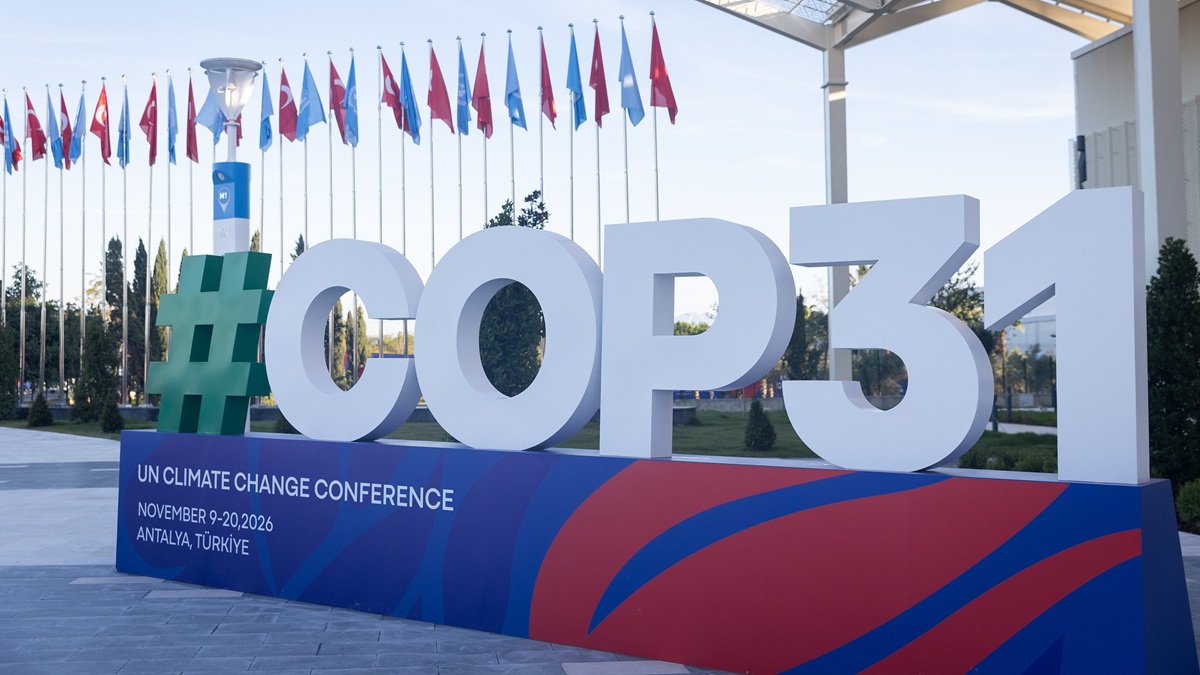
The trainees, to be drawn from within and outside the continent, will attend a capacity development workshop in Addis Ababa, Ethiopia, from 20 June to 3 July 2027, the group stated on Friday at the 31st meeting of the Conference of the Parties (COP31) to the UN Framework Convention on Climate Change.

Participants will learn how climate negotiations work and acquire insight into climate finance, adaptation, loss and damage, just transition and accountability. They will also take part in mock negotiations and meet negotiators and policymakers.

PACJA advances climate action through capacity building, policy advocacy, research, and support for local climate resilience and land restoration projects.

Mithika Mwenda, executive director of PACJA, said Africa’s young people hold less than five per cent of the positions where climate decisions are made, even though they constitute as much as 60 per cent of the continent’s population.

He said the school was set up in 2020 to close that gap. The five previous cohorts trained more than 2500 young people from 144 countries.


PT WHATSAPP CHANNEL
Dangote Refinery AD

The programme will now be held every two years in line with the organisation’s strategic plan for 2026 to 2030.

“Young Africans should not only be invited to the table. They should arrive prepared,” said Augustine Njamnshi, chair of PACJA’s political and technical affairs, who unveiled the cohort.

Mr Njamnshi acknowledged the support given by the African Development Bank, the UN Economic Commission for Africa, the Swedish Development Agency, the East African Legislative Assembly and the HBCU Green Fund to the school.

Alumni’s testimonials

Mr Njamnshi said the school’s alumni include young negotiators, policy analysts, people working on the green economy and in academia.

Smriti Shah of the fourth cohort told PREMIUM TIMES she once believed climate justice was “highly political”, but PACJA has changed her perspective.

“PACJA taught me to carry the views of communities to policymakers, and now I include climate justice in every humanitarian programme I work on,” she said.

Shampi Anna, also from the same cohort, said alumni are helping young members of parliament in Kenya with bills, lobbying and advocacy.

“We worked, and we continue to work with young parliamentarians in Kenya,” Ms Anna said.

ALSO READ: COP31: White paper urges governments to invest in water-based energy storage

A Nigerian and member of the fifth batch, Anuoluwapo Otubusin, told FEMNET, an organisation promoting women’s development in Africa, that she had a remarkable experience that was more than just attending a climate action training.

“It was a turning point in how I currently view advocacy, policy influencing, solidarity and my role in shaping a feminist climate future,” she said.

Prospective applicants for the latest cohort must be 18 to 35 years old and hold at least a high school certificate.

PACJA said it will prioritise applicants from places most prone to climate change in Africa and the Global South, especially young people from indigenous communities, grassroots movements, women’s groups, universities and policy institutions.


Discover more from Premium Times Nigeria

Subscribe to get the latest posts sent to your email.

Continue Reading

Trending