Health
WHO urges safer care for people living with noncommunicable diseases

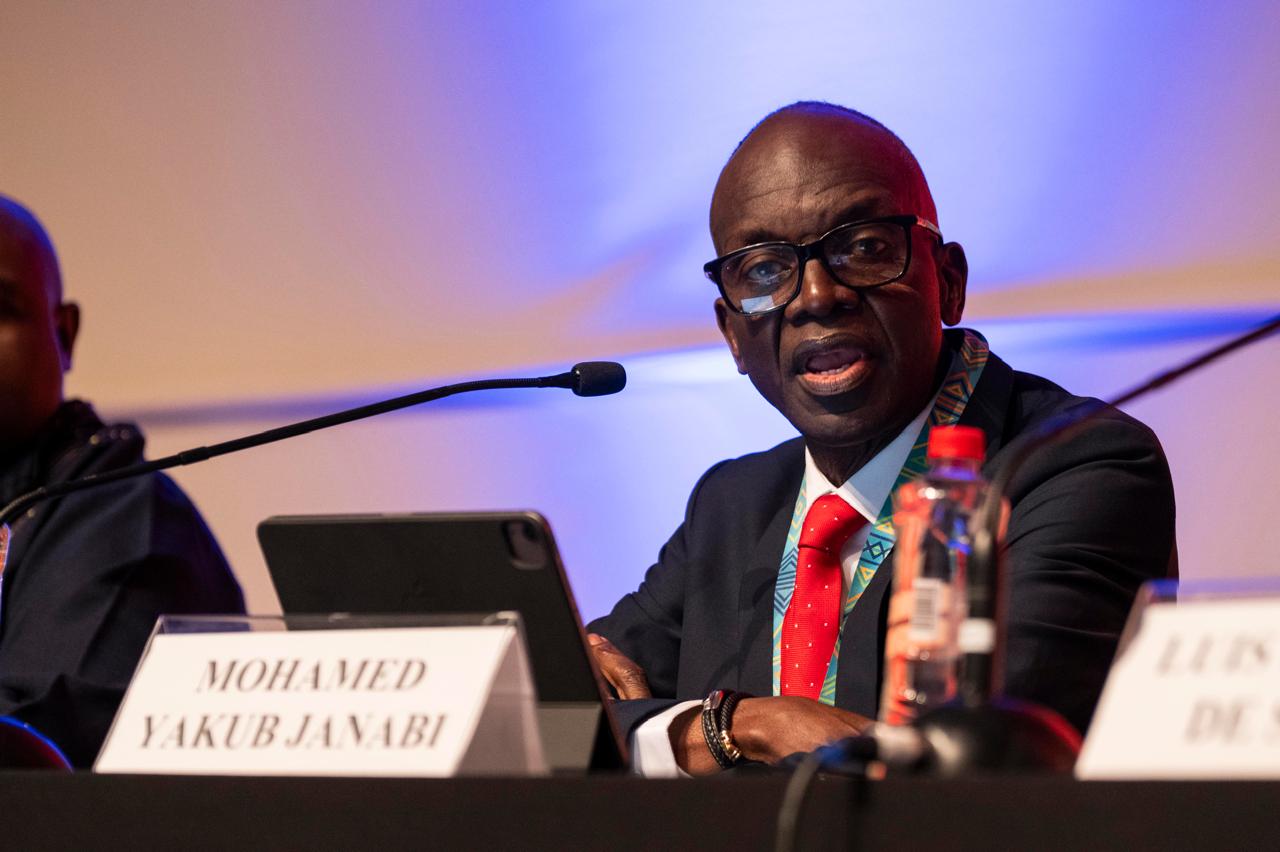
The World Health Organisation (WHO) has urged African countries to strengthen patient safety in the care of people living with noncommunicable diseases (NCDs).
WHO Regional Director for Africa, Mohamed Janabi, made the call on Thursday in a message to mark World Patient Safety Day 2026, themed “Safe care for noncommunicable diseases”, with the slogan “Safe care for life!”
NCDs include conditions such as diabetes, cancer, heart disease and chronic respiratory diseases.
“For a person living with diabetes, cancer, heart disease or a chronic respiratory condition, health care is rarely a single encounter,” he said.
“It may involve years of consultations, tests, medicines, referrals and treatment. Each interaction should improve health, yet each can also expose a patient to avoidable harm.”
NCDs in Africa
Mr Janabi said NCDs caused at least 43 million deaths globally in 2021 and accounted for 37 per cent of all deaths in the WHO African Region in 2019.


He said the proportion had increased from 24 per cent in 2000.
“Nearly two-thirds of NCD deaths in the Region are premature, compared with 41.7 per cent globally,” he said.
According to WHO, NCDs are also a major cause of long-term disability and loss of function in the region.
“Their growing burden is linked to risk factors including unhealthy diets, physical inactivity, hypertension, obesity and air pollution,” he noted.
Patients face several safety risks
Mr Janabi said patients living with NCDs could suffer harm from delayed or missed diagnoses, medication errors, adverse drug interactions, poor follow-up and inadequate communication when they move between health services.
He said the risks could occur at different stages of care, including diagnosis, treatment, rehabilitation, palliative care and self-management.
He added that stigma, discrimination and difficulties accessing essential medicines and health technologies could further increase the risks faced by patients.
“Expanding access to NCD services must therefore go hand in hand with improving their safety and quality,” Mr Janabi said.
Stronger primary healthcare
Mr Janabi further said stronger primary healthcare could improve continuity of care, enable earlier identification of health problems and help coordinate services across different levels of the health system.
READ ALSO: Ebola outbreak spreads to 61 health zones in DRC — WHO
He also called for health workers to receive practical guidance, reliable supplies and supportive workplaces where errors can be reported and used to improve care without fear of blame.
He urged African countries to integrate patient safety into NCD policies and programmes, strengthen systems for reporting and learning from harm, and invest in health worker training and the safe use of medicines and technologies.
He also called on patients and families to ask questions and raise concerns whenever aspects of their care are unclear.
“Every person should be protected from avoidable harm throughout their health journey,” Mr Janabi said.
Discover more from Premium Times Nigeria
Subscribe to get the latest posts sent to your email.






Six proven climate and health interventions could prevent 1.6 million deaths annually and generate trillions of dollars in economic benefits if implemented globally, the World Health Organisation (WHO) has revealed.
The measures, which include heat-health warning systems, access to safe water and sanitation, cleaner household energy and more efficient fossil fuel pricing policies, could generate $3.9 trillion in annual economic welfare benefits and a further $5.4 trillion in fiscal gains.
The WHO disclosed this in a new report titled ‘Global benefits and costs of prioritised actions on climate change and health’, released ahead of the 31st United Nations Climate Change Conference (COP31), where countries are expected to present their climate commitments.
According to the report, the six interventions could prevent one in every 40 deaths globally, based on modelled projections, while avoiding 16.7 billion tonnes of carbon dioxide emissions annually.
The estimated emissions reduction is equivalent to 31 per cent of global annual greenhouse gas emissions, excluding emissions from land use, land-use change and forestry.
The report, which the WHO described as its first comprehensive assessment of the economic and fiscal returns from scaling up the six recommended interventions, highlights the potential health and financial gains of integrating public health considerations into climate policies.
It argues that many health consequences of climate change are preventable through existing solutions, but governments must implement them across health and other sectors that determine people’s health.
Six interventions
The report identifies six interventions: heat-health warning systems, climate-resilient drinking-water services, basic sanitation services, hygiene and handwashing facilities, cleaner household fuels and technologies for cooking and heating, and efficient fossil fuel pricing policies.
The WHO estimates that five of the interventions could generate $24 in benefits for every $1 invested, with returns expected to be greater in low- and middle-income countries.
Heat-health warning systems are projected to deliver particularly high returns, generating an estimated $835 in benefits for every $1 invested.
The report attributes the high returns to the relatively low cost of expanding existing warning systems and their potential to prevent heat-related illnesses.
Efficient fossil fuel pricing policies, however, are projected to deliver the largest overall gains.
Such policies, including removing inefficient fossil fuel subsidies and appropriately taxing fossil fuels, could prevent 1.2 million deaths annually while generating $3 trillion in economic welfare benefits and $5.4 trillion in fiscal gains.
Health at the centre of climate action
Commenting on the findings, WHO Director-General Tedros Ghebreyesus said the climate crisis was also a health crisis, but many of its consequences could be prevented using existing interventions.
READ ALSO: WHO raises alarm as 75% of diabetes cases in Africa remain undiagnosed
He said expanding proven and affordable interventions could save millions of lives, particularly in countries with the greatest need.
“The climate crisis is a health crisis, but much of the harm it causes can be prevented with tools we already have,” he said.
Mr Ghebreyesus urged governments to place health considerations at the centre of climate action as they prepare for the next round of international climate negotiations.
The WHO said countries were already experiencing record-breaking climate shocks in 2026, investing in measures that protect human health and the environment increasingly urgent.
The health body called on governments, development partners and financing institutions to use the economic evidence to scale up the interventions, noting that they could deliver simultaneous benefits for public health, climate mitigation and national economies.
Discover more from Premium Times Nigeria
Subscribe to get the latest posts sent to your email.
-

 News4 days ago
Plateau APC 2027 Campaign Council inaugurated today in Jos
-
News4 days ago
Nigerians’ data appetite drives MTN Nigeria revenue to ₦2.68tn – Technology Times
-
News2 days ago
Plateau Ndigbo Crown Chief Johnson Nwosu as New Igwe
-
News2 days ago
Anthropic is working on a system to prove AI models’ identity