Connect with us

Health

Transforming Healthcare in Plateau Hospital: What Mutfwang is doing

info

Published

on

Blank 2 Grids Collage

It’s often said that health is wealth; only a healthy person can work, create wealth, and contribute to the economy at all levels. Recognizing this, Plateau State Governor Caleb Mutfwang has been dedicated to improving the health sector since taking office over a year ago.

During his campaign, Governor Mutfwang emphasized the importance of a healthy citizenry and listed the health sector as a priority. His administration’s agenda includes the rehabilitation, re-equipment, and staffing of government health institutions, the provision of a referral hospital, and the regulation of private health facilities to benefit citizens.

One of Governor Mutfwang’s significant steps was appointing Professor Christopher Yilgwan, a seasoned paediatrician and former Plateau State Nigerian Medical Association Chairman, as the Chief Medical Director (CMD) of the Plateau State Specialist Hospital in Jos. This move aims to reposition the hospital for improved healthcare delivery.

Upon taking office, Governor Mutfwang directed the completion of unfinished projects in the hospital initiated by the previous administration. His commitment to healthcare is evident in his efforts to enhance services and facilities.

Governor Mutfwang’s Initiatives:
– Approved four additional specialists in Pediatrics, Surgery, Internal Medicine, and another area.
– Recruiting 22 Consultants to enhance hospital services.
– Funded the Primary Healthcare Development Board for basic functions.
– Reviving contracts for secondary healthcare facilities in Shendam, Langtang, Pankshin, Mangu, and Barkin Ladi.

“We are looking at reviving the contracts so that the hospitals can come back to life,” the Governor stated. “In some services at the Plateau Specialist Hospital, we had to bring in the private sector to manage due to lack of personnel.”

Governor Mutfwang highlighted the shortage of specialists, such as physiotherapists and dental surgeons, in the state. His administration is working to establish a Medical Faculty at Plateau State University and redesign the Plateau Specialist Hospital to address these gaps.

Professor Yilgwan has been actively working to fulfil the Governor’s vision. Under his leadership, the hospital has seen numerous improvements, including:

– Improved health hazard allowance for medical workers.
– Payment of outstanding salaries.
– Expansion of Residency training in Internal Medicine, Obstetrics and Gynecology, Surgery, and Pediatrics.
– Procurement of 100 hospital beds, mattresses, and pillows.
– Contract awarded for the supply and installation of Main Laboratory equipment.
– Payment of outstanding funds for the Radio-diagnostic centre.
– Deployment and installation of an Electronic Medical Records (EMR) project.

Patients have already noticed the changes. Stella Obiakor, who visited the hospital for a scan, remarked, “I was taken aback to see the improvement. The environment is very clean, and the service has improved. I like what I am seeing and I pray they maintain it.”

These initiatives and achievements highlight the importance Governor Mutfwang places on the healthcare sector. His administration’s actions have rekindled hope among citizens for a better and brighter future in healthcare delivery in Plateau State.

By focusing on healthcare, Governor Caleb Mutfwang’s administration is paving the way for a healthier, more prosperous Plateau State. The improvements at Plateau Hospital are just the beginning of a transformative journey towards enhanced medical services and a robust healthcare system.

Continue Reading
Click to comment

Leave a Reply

Your email address will not be published. Required fields are marked *

Health

British national tests positive for Ebola in DRC

info

Published

on

Doctors handling an Ebola case 1.jpg

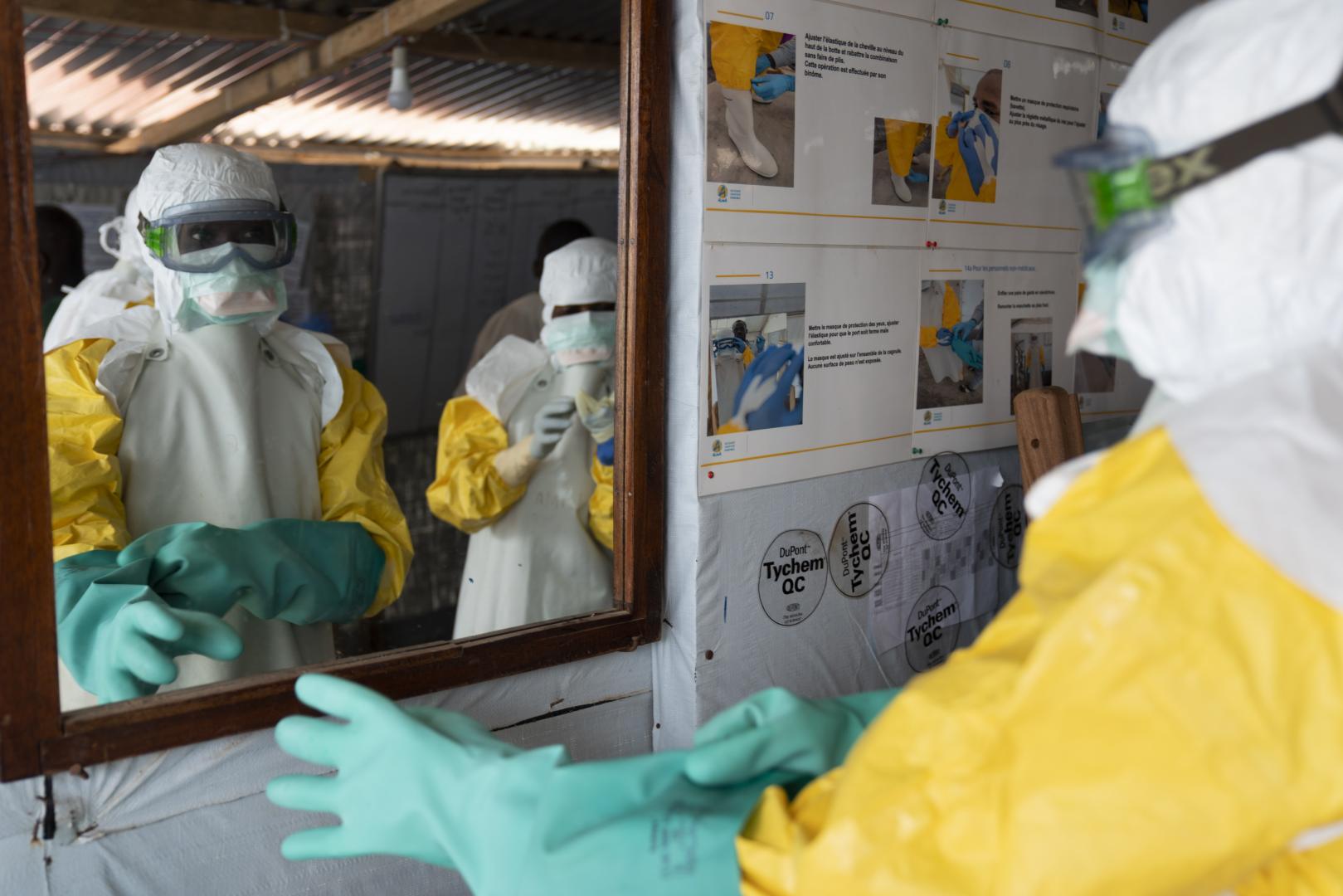
A British national has tested positive for Ebola in the Democratic Republic of the Congo (DRC), the UK government has confirmed.

According to the BBC, the British man tested positive for the virus while in the DRC. Reuters subsequently reported that he would be medically evacuated to the UK for specialist treatment. However, the exact time of the evacuation was not immediately known.

This marks the first confirmed case of a British national contracting the virus during the ongoing outbreak in the DRC, which has claimed more than 5,000 lives.

Ebola is a viral disease that can cause severe illness and spreads mainly through direct contact with the blood or other bodily fluids of an infected person.

Symptoms include fever, headache, vomiting, muscle pain, weakness, and diarrhoea.

“The UK has well-established procedures for dealing with cases like this, and those processes have been activated,” a UK government spokesperson was quoted as saying.

“Further information will be shared in due course as appropriate. The risk to the UK public from Ebola remains low.”

Ebola outbreak

The current outbreak is caused by the Bundibugyo virus, a species of Ebola virus, and was first declared in DRC in May 2026.

According to the latest figures from the United States Centres for Disease Control and Prevention (CDC), the outbreak had recorded 10,563 confirmed cases and 5,130 deaths across five countries as of 1 November 2026.

The DRC accounts for the majority of the cases, with 10,532 confirmed cases and 5,126 deaths. The outbreak has affected eight provinces in the country.

Kenya has recorded nine confirmed cases and two deaths, while Uganda has recorded 20 confirmed cases and two deaths, alongside one probable case and one probable death.

Nigeria confirmed its first case on 20 October after a traveller with a history of travel to Uganda tested positive for the virus. The patient was subsequently medically evacuated to Switzerland for treatment.

According to the European Centre for Disease Prevention and Control (ECDC), 62 contacts linked to the Nigerian case had been identified and were under follow-up as of 29 October.

Symptoms and transmission

The World Health Organisation (WHO) has explained that Ebola survivors may transmit the virus through sexual intercourse if it persists in their semen after recovery.

However, survivors who have met the criteria for discharge from treatment are not expected to transmit the virus through sweat or saliva, as the virus is cleared from their blood.

Continue Reading

Health

Six climate measures could save 1.6 million lives yearly – WHO

info

Published

on

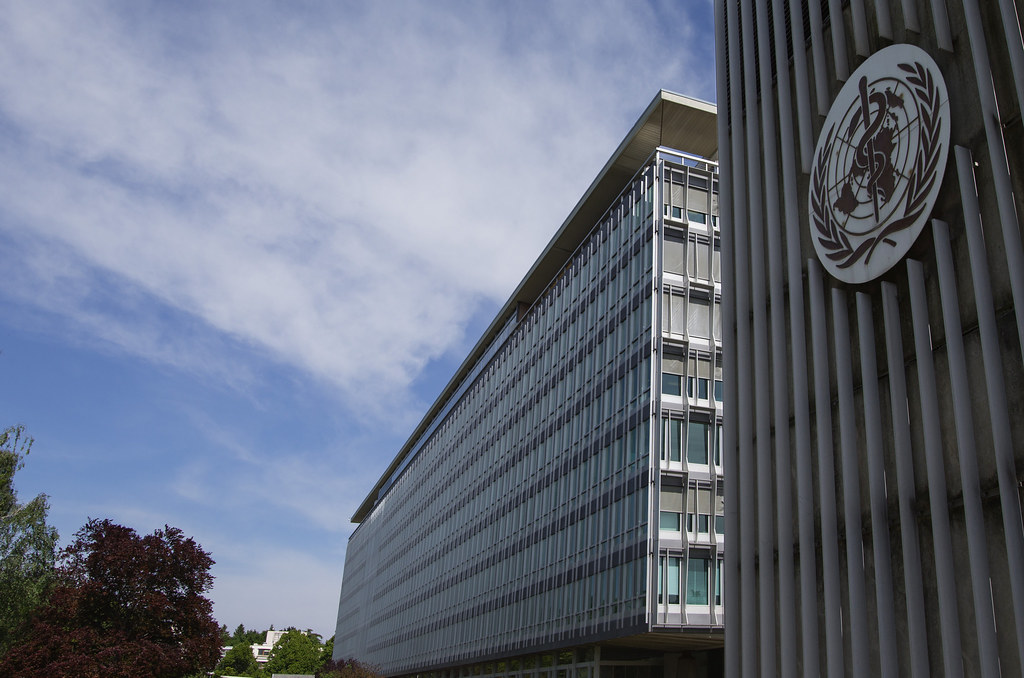
World Health Organisation.jpg

Six proven climate and health interventions could prevent 1.6 million deaths annually and generate trillions of dollars in economic benefits if implemented globally, the World Health Organisation (WHO) has revealed.

The measures, which include heat-health warning systems, access to safe water and sanitation, cleaner household energy and more efficient fossil fuel pricing policies, could generate $3.9 trillion in annual economic welfare benefits and a further $5.4 trillion in fiscal gains.

The WHO disclosed this in a new report titled ‘Global benefits and costs of prioritised actions on climate change and health’, released ahead of the 31st United Nations Climate Change Conference (COP31), where countries are expected to present their climate commitments.

According to the report, the six interventions could prevent one in every 40 deaths globally, based on modelled projections, while avoiding 16.7 billion tonnes of carbon dioxide emissions annually.

The estimated emissions reduction is equivalent to 31 per cent of global annual greenhouse gas emissions, excluding emissions from land use, land-use change and forestry.

The report, which the WHO described as its first comprehensive assessment of the economic and fiscal returns from scaling up the six recommended interventions, highlights the potential health and financial gains of integrating public health considerations into climate policies.


PT WHATSAPP CHANNEL
Dangote Refinery AD

It argues that many health consequences of climate change are preventable through existing solutions, but governments must implement them across health and other sectors that determine people’s health.

Six interventions

The report identifies six interventions: heat-health warning systems, climate-resilient drinking-water services, basic sanitation services, hygiene and handwashing facilities, cleaner household fuels and technologies for cooking and heating, and efficient fossil fuel pricing policies.

The WHO estimates that five of the interventions could generate $24 in benefits for every $1 invested, with returns expected to be greater in low- and middle-income countries.

Heat-health warning systems are projected to deliver particularly high returns, generating an estimated $835 in benefits for every $1 invested.

The report attributes the high returns to the relatively low cost of expanding existing warning systems and their potential to prevent heat-related illnesses.

Efficient fossil fuel pricing policies, however, are projected to deliver the largest overall gains.

Such policies, including removing inefficient fossil fuel subsidies and appropriately taxing fossil fuels, could prevent 1.2 million deaths annually while generating $3 trillion in economic welfare benefits and $5.4 trillion in fiscal gains.

Health at the centre of climate action

Commenting on the findings, WHO Director-General Tedros Ghebreyesus said the climate crisis was also a health crisis, but many of its consequences could be prevented using existing interventions.

READ ALSO: WHO raises alarm as 75% of diabetes cases in Africa remain undiagnosed

He said expanding proven and affordable interventions could save millions of lives, particularly in countries with the greatest need.

“The climate crisis is a health crisis, but much of the harm it causes can be prevented with tools we already have,” he said.

Mr Ghebreyesus urged governments to place health considerations at the centre of climate action as they prepare for the next round of international climate negotiations.

The WHO said countries were already experiencing record-breaking climate shocks in 2026, investing in measures that protect human health and the environment increasingly urgent.

The health body called on governments, development partners and financing institutions to use the economic evidence to scale up the interventions, noting that they could deliver simultaneous benefits for public health, climate mitigation and national economies.


Discover more from Premium Times Nigeria

Subscribe to get the latest posts sent to your email.

Continue Reading

Trending