Health
Plateau records 11,000 TB cases in 2026, 2,047 detected in three months

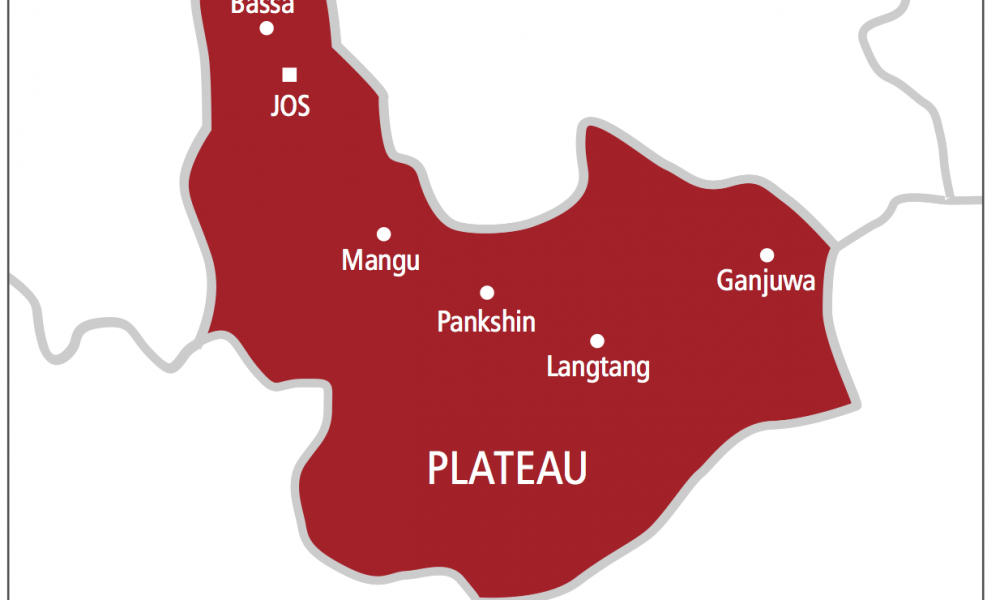
Plateau State has an estimated 11,000 tuberculosis (TB) cases in 2026, with 2,047 patients identified between July and September, according to a state health official.
The cases were disclosed by Yohanna Bot, the monitoring and evaluation officer of the Plateau State Tuberculosis and Leprosy Control Programme, at a media advocacy meeting on community-led monitoring of health services in Jos.
Mr Bot said the estimated burden was based on a TB prevalence rate of 219 cases per 100,000 people, warning that the disease remained a major public health challenge in the state.
“From our quarterly survey, we discovered that between July and September, 2,047 patients were identified and placed on treatment,” he said.
He added that the identified patients were receiving treatment at health facilities across the state.
Tuberculosis is an infectious disease that primarily affects the lungs and spreads through the air when an infected person coughs, sneezes or speaks.


Mr Bot identified malnutrition, advanced age, weakened immunity, overcrowding and HIV infection as factors that could increase the risk of contracting the disease or developing severe illness.
He also expressed concern over stigma and misconceptions surrounding TB, saying some residents attributed the disease to spiritual or ritual causes rather than seeking medical attention.
According to him, such beliefs discourage people from undergoing early diagnosis and starting treatment promptly.
Insecurity, displacement worsen TB risks
Mr Bot said insecurity and displacement were complicating efforts to detect and manage tuberculosis, particularly in Mangu, Jos South and Barkin Ladi local government areas.
He said displacement had led to the establishment of camps for internally displaced persons (IDPs), where overcrowded living conditions could facilitate the spread of the disease.
To address the challenge, he said the state programme was prioritising community outreach and active screening in IDP camps and correctional centres to identify people with TB and link them to treatment.
Mr Bot said patients who received effective treatment could become much less infectious after starting therapy, although the timing depended on their clinical condition and response to treatment.
He, however, raised concerns about shortages of anti-TB medicines, attributing the gaps in availability partly to disruptions in the supply chain and the programme’s dependence on international support, particularly funding from the Global Fund.
He called for increased public awareness to address stigma and misconceptions and urged residents with symptoms suggestive of TB to seek medical evaluation at health facilities.
Community monitoring targets healthcare gaps
Peter Ezekiel, the Plateau State programme officer of the Global Fund AIDS, Tuberculosis and Malaria Integrated Community-Led Monitoring Project, said Nigeria continued to face a significant burden of tuberculosis, HIV and malaria.
He said community-led monitoring was designed to involve residents and other stakeholders in identifying gaps in healthcare delivery and supporting interventions to improve access to essential services.
According to him, the approach helps communities identify barriers such as discrimination, stigma and gender-related challenges while advocating better infrastructure and increased domestic funding for healthcare.
Mr Ezekiel said the initiative had supported infrastructure rehabilitation, service improvements and stronger community participation in Plateau State.
He listed the rehabilitation and re-piping of toilet facilities at the Primary Health Centre in Rantya, Jos South, among the interventions carried out since June.
He said community stakeholders had also donated a scanning machine and 10 iron-framed chairs to the Primary Health Centre in Gangare, Jos North, as well as a blood pressure monitoring device to the facility in Dogon Agogo.
Other interventions included the provision of hospital bed mattresses to the Primary Health Centre in Pushit, Mangu, and tuberculosis sputum collection cups to the COCIN Rehabilitation Centre in Mangu.
Mr Ezekiel said community members had also provided 500 copies of patient enrolment forms to support healthcare delivery.
In Lamingo, he said residents mobilised resources to engage security personnel to protect night-shift workers and property at the local primary healthcare centre, with an agreed monthly payment of N15,000.
He said the interventions had improved infection prevention, patients’ experiences and healthcare delivery.
Mr Ezekiel called for stronger collaboration among communities, government agencies and health partners, alongside adequate funding for primary healthcare and greater accountability in the management of health resources.
READ ALSO: PT Health Watch: What you should know about Tuberculosis, why it persists
He also urged the expansion of national and state health insurance programmes to cover vulnerable people, particularly low-income earners.
Official highlights role of community monitoring
Yakubu Izang, the director of disease control and immunisation at the Plateau State Primary Health Care Board, said community-led monitoring was important for identifying healthcare delivery problems that might otherwise go unnoticed by government agencies.
He said the approach enabled communities and public officials to work together to identify challenges and develop solutions to improve access to healthcare services.
Discover more from Premium Times Nigeria
Subscribe to get the latest posts sent to your email.







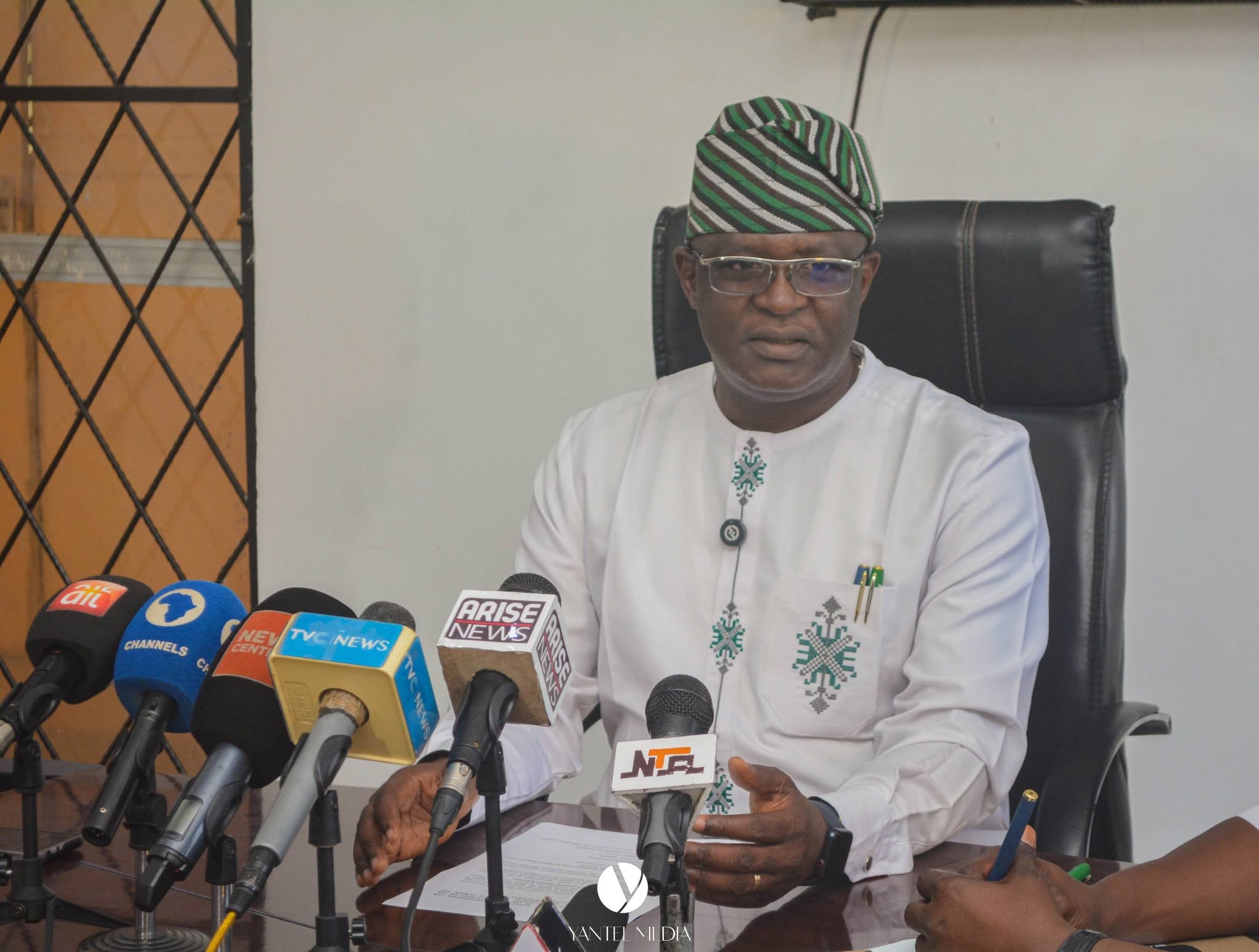
The Plateau State Government has raised concerns over the growing burden of diabetes after recording 5,457 suspected new cases between January and September, highlighting the need for expanded screening and early diagnosis.
The figure, disclosed by the state Commissioner for Health, Nicholas Ba’amlong, on Monday in Jos, comes after the state recorded 5,546 suspected cases throughout 2025.
Speaking at a press briefing to commemorate the 2026 World Diabetes Day, Mr Ba’amlong said the figures represented suspected cases and not confirmed diagnoses, but warned that many residents could be living with the condition without knowing their health status.
“Diabetes remains a major public health concern because many people are living with the condition without knowing their status,” he said.
The commissioner also cited findings from the 2024 nationwide Know Your Number, Control Your Number screening campaign, which showed that 14,359 people were screened in Plateau State, with 2,610, representing about 18 per cent, recording elevated blood glucose levels.
He, however, cautioned against interpreting the findings as the prevalence of diabetes in the state, explaining that elevated blood glucose readings from a screening exercise did not amount to confirmed diagnoses.
“The findings highlight the need to expand access to screening, diagnosis and treatment, but they do not represent the prevalence of diabetes in the state,” he said.
As part of activities marking this year’s World Diabetes Day, the state Ministry of Health, in collaboration with the Plateau chapters of the Diabetes Association of Nigeria and the Endocrine and Metabolic Society of Nigeria, organised a free workplace screening exercise at the Joseph Gomwalk Secretariat Complex in Jos.
Mr Ba’amlong said the exercise targeted 1,000 civil servants and included blood glucose and blood pressure checks, weight and body mass index assessments, health education, counselling and referrals for further medical attention where necessary.
He said the government was working to expand diabetes awareness and screening services to underserved communities across the state’s 17 local government areas through primary healthcare facilities and community outreach programmes.
“The state government, under Governor Caleb Mutfwang, is working towards extending diabetes education and screening services to underserved communities across the 17 local government areas through existing primary healthcare facilities and community outreach programmes,” he said.
According to him, the government is also exploring partnerships and appropriate medical technologies to improve access to diagnostic services, particularly at the primary healthcare level, while strengthening follow-up and referral systems for people with elevated blood glucose levels.
ALSO READ: WHO raises alarm as 75% of diabetes cases in Africa remain undiagnosed
“Screening is only the beginning. Early detection must lead to appropriate diagnosis and treatment,” he added.
The commissioner urged residents, particularly those with a family history of diabetes, excess weight or high blood pressure, to undergo regular blood glucose checks and seek medical attention when necessary.
He also advised residents to adopt healthier lifestyles through balanced diets, regular physical activity and weight management, while avoiding tobacco and limiting alcohol consumption.
Mr Ba’amlong identified excessive thirst, frequent urination, unexplained weight loss and persistent fatigue as symptoms that could indicate diabetes.
He urged people already living with the condition to adhere to prescribed treatment and attend regular medical reviews to prevent complications.
World Diabetes Day is observed annually on 14 November to raise awareness about diabetes, promote prevention and improve access to quality care for people living with the condition.
Discover more from Premium Times Nigeria
Subscribe to get the latest posts sent to your email.
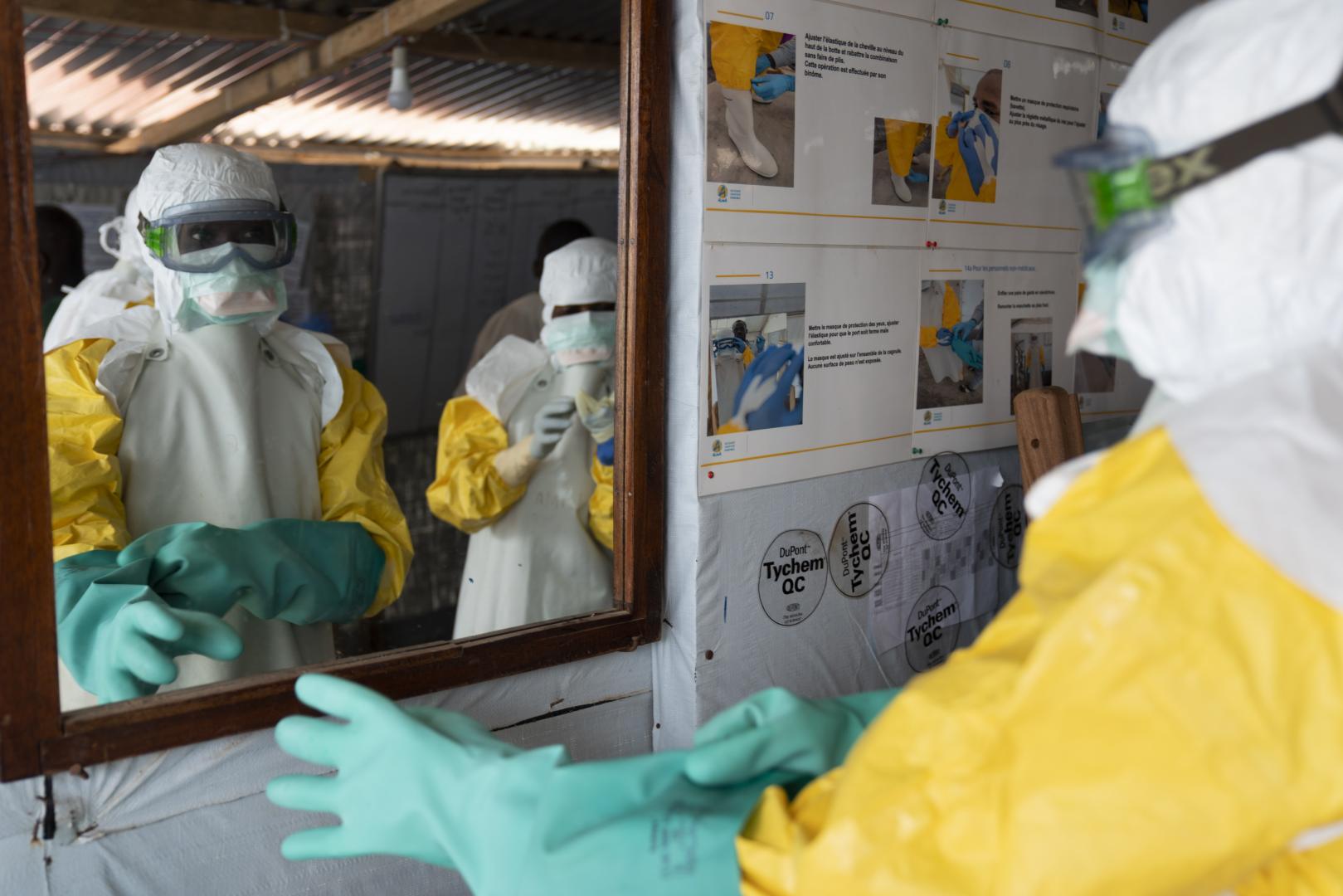
Insecurity has been identified as one of the “greatest obstacles” to containing the Ebola outbreak in the Democratic Republic of the Congo (DRC), where more than 11,000 cases and 5,400 deaths have been reported.
The World Health Organisation (WHO), in a news release published on 15 November, said attacks on health workers and facilities, displacement and difficulties reaching remote communities were disrupting efforts to contain the outbreak.
The outbreak, caused by the Bundibugyo virus, has spread to 67 health zones across eight provinces, with between 400 and 500 new cases reported weekly.
“Children account for more than a quarter of confirmed cases and one third of deaths. Seven in 10 children under five with confirmed Ebola have died,” it noted.
Attack on healthcare
According to the WHO, a recent armed attack in Cantine-Aloya killed 66 civilians, including three health workers, while three health facilities were looted.
The attack also resulted in more than 1,000 contacts being lost to follow-up, with three confirmed cases still unaccounted for. Another attack on the town was reported on 11 November.
According to WHO, more than 80 attacks on healthcare have been recorded since the outbreak was declared.
“A halt in hostilities is urgently needed to protect communities and health workers, and to safeguard the progress made over the past six months,” it noted.
The WHO said about two-thirds of confirmed deaths occurred in communities, suggesting that many infections were being identified too late for patients to receive timely treatment.
Cross-border transmission concerns
WHO also highlighted the risk of the outbreak spreading beyond the DRC, following recent imported cases in Kenya and Nigeria.
The agency said cross-border collaboration has strengthened surveillance, information-sharing and coordination among affected and at-risk countries.
“Recent imported cases in Kenya and Nigeria underscore the continuing risk of spread beyond national borders. Delays in paying frontline health workers and responders create tension and slow the response,” it said.
WHO said the developments underscored the need for neighbouring countries to maintain surveillance and preparedness, particularly around high-risk border areas.
Response gains
Despite the challenges, WHO said efforts had slowed transmission in some of the outbreak’s initial hotspots, including Mongbwalu, Nyankunde, Nizi, Rwampara and Butembo.
Diagnostic capacity has expanded from two laboratories to more than two dozen, while nearly 2,000 treatment beds are available across 104 treatment and transit centres.
About 3,000 people have recovered from the disease, while more than 17,000 community health workers and 46,000 community actors have been trained to support the response.
WHO said sustained funding, safe access for health workers and greater community participation would be essential to reaching areas that remain difficult to access and bringing the outbreak under control.
READ ALSO: WHO urges concrete action on antimicrobial resistance worldwide
Nigeria records no new infections
In Nigeria, the index patient evacuated to Switzerland has recovered and been discharged from hospital. At the same time, all 62 people identified as contacts have completed the mandatory 21-day monitoring period without any secondary infection.
The Nigeria Centre for Disease Control and Prevention (NCDC) disclosed this on 13 November, saying the patient tested negative for the virus after receiving further treatment in Switzerland.
NCDC Director-General, Jide Idris, said 13 of the 62 contacts developed fever or other symptoms during monitoring, but all tested negative. Seven suspected Ebola cases reported in five states were also investigated, with none testing positive.
“However, it is important to note that the completion of contact monitoring does not, by itself, constitute a formal declaration that an outbreak is over. Such a determination must be based on the applicable public health criteria and the findings of ongoing surveillance,” it noted.
“Nigeria therefore remains vigilant, particularly given the continued occurrence of Ebola virus disease in the DRC.”
Discover more from Premium Times Nigeria
Subscribe to get the latest posts sent to your email.
-

 News4 days ago
Tinubu (APC) in Jos: Promises to restore peace in the State and Nigeria
-
News4 days ago
Heavy Security as Tinubu Takes Campaign to Jos
-
News4 days ago
Yari Defends Tinubu on Insecurity, Says Opposition Failed to Tackle Crisis for Over 20 Years
-
News3 days ago
Flaming Hydra’s new Kickstarter campaign rethinks e-book ownership and digital lending