Education
New Classrooms Transform Education in GraShe and GraNangra: Hon. Chief Ephraim Usman Takes Bold Step


In a groundbreaking move to uplift education standards, Hon. Chief Ephraim Usman, the Commissioner for Local Government and Chieftaincy Affairs in Plateau State, has commissioned two classroom blocks in the GraShe and GraNangra communities of Kanam Local Government Area. These classrooms mark the first formal educational structures the communities have ever had, replacing the makeshift learning spaces previously used by pupils, such as under trees or in neighbors’ compounds.
Driven by a personal commitment to enhance educational opportunities, Chief Usman emphasized the urgent need for quality education to combat crime and ensure a brighter future for the next generation. “This initiative aligns with the vision and mission of His Excellency Governor Caleb Manasseh Mutfuwang’s administration to work for the people,” he stated.


The local community played a crucial role by providing the land, while Chief Usman swiftly executed the project, especially timely given the onset of the rainy season. The dedication ceremony witnessed significant attendance, including the Village Heads of Dar and Kwanin districts, SUBEB Chairman Mr. Sunday Amuna, the chairmen of Kanam, Pankshin, and Shemdam LGAs, and PDP women and youth leaders of Kanam LGA, among others.
The head teacher of GraShe School, Mr. Habib Yusuf Aliyu, expressed his gratitude, noting that the new classrooms will significantly enhance learning and serve as a landmark and meeting hall for the community. In honor of notable figures, the GraShe classroom is named Kaka Briskilla Manasseh Mutfuwang, after the late mother of Governor Caleb Manasseh Mutfuwang, and the GraNangra classroom is named Mama Santali Naomi Usman, after Chief Ephraim Usman’s mother.
The newly constructed buildings were officially handed over to the Plateau State Ministry of Education under the supervision of the Plateau State Universal Basic Education Board (SUBEB). This monumental project is a testament to the community’s dedication and Chief Usman’s unwavering commitment to fostering educational development in Plateau State.
The importance of these new classrooms extends far beyond providing a physical space for learning. For the children, having a dedicated, safe, and conducive environment for education means more consistent and effective teaching. No longer exposed to the elements, students can focus better and have a structured setting that supports academic growth. The availability of proper classrooms is likely to improve attendance rates and overall educational outcomes, fostering a love for learning among the pupils.
For the community, these classrooms symbolize progress and a commitment to future generations. They serve as a beacon of hope and development, demonstrating that education is a priority. The classrooms also double as community centers, providing a venue for meetings, events, and other communal activities. This multifunctional use strengthens community bonds and ensures that the buildings remain integral to the daily life of GraShe and GraNangra.
Moreover, this initiative is expected to have a ripple effect on the broader community. Educated children grow into informed and skilled adults who can contribute more effectively to local development. By investing in education, Chief Usman is laying the groundwork for sustainable progress, reducing crime rates, and fostering an environment where the next generation can thrive.
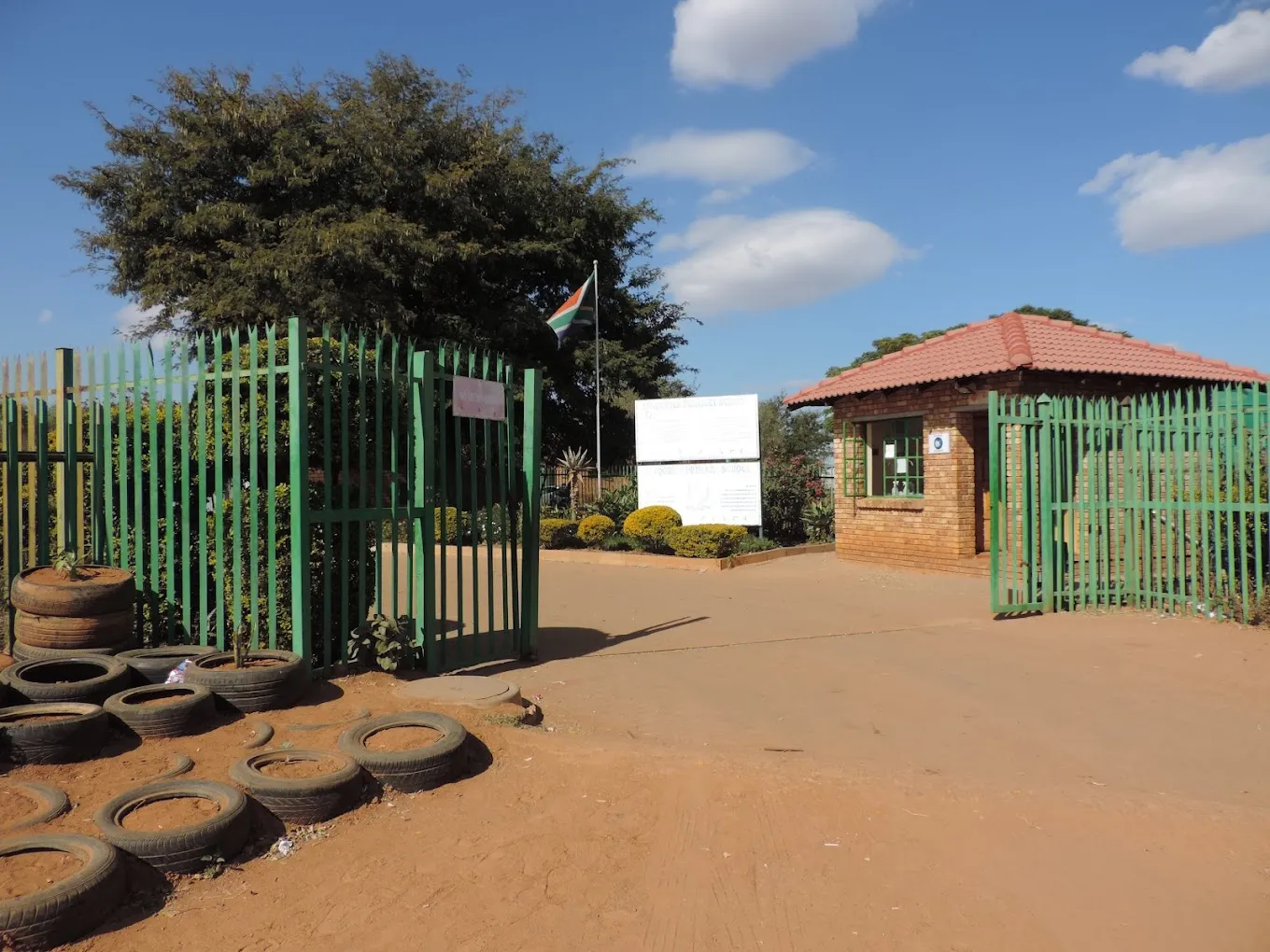
An 11-year-old pupil at Sinqobile Primary School in Soshanguve, South Africa, was allegedly dragged into a school toilet and forcibly circumcised by four older students during break time.
The Grade 5 pupil was reportedly attacked by four Grade 7 students, who allegedly pinned him down before one of them used a sharp blade to remove his foreskin.
The boy was also allegedly threatened with violence if he disclosed the incident to anyone.
According to his mother, the child returned home after the incident but initially refused to tell her what had happened. She later noticed that he was walking unusually and, days later, discovered that he was in severe pain.
The mother said her son eventually showed her his swollen private parts, prompting her to rush him to a doctor.
“He then showed me his swollen private parts and I rushed him to the doctor and it was then that we learned four pupils had circumcised him,” she said.

She said her son told her that the older boys had attacked him in the school toilets during break and threatened to beat him if he told anyone.
The mother subsequently opened a criminal case and refused to allow her son to return to school. Police later persuaded the boy to attend an identity parade, where he reportedly helped identify the four students.
South African Police Service spokesperson, Captain Tintswalo Sibeko, confirmed that a case of assault with intent to cause grievous bodily harm was being investigated.
“Our Family Violence, Child Protection and Sexual Offences Unit are investigating and no arrests have been made at this stage,” Sibeko said.
The Gauteng Department of Education also confirmed that the matter was under police investigation, while saying the school had not reported any similar circumcision attacks.
Deputy Principal George Mahlungu said the school was shocked by the incident.
“We are perplexed by what happened. This school is a place where a child should be safe,” he said.
The school has about 2,050 pupils between the ages of seven and 15.
A doctor who examined the boy reportedly said the procedure appeared to have been carried out in a manner similar to traditional tribal initiation practices. However, the doctor said a full diagnosis could not be made until the swelling subsided.
The boy’s mother said her son had become traumatised by the incident and was afraid to return to school.
Police investigations are ongoing, and no arrests had been made as of the latest report.
-

 News1 day ago
Nigeria Takes on the World! Chess Stars Begin 2026 Olympiad Battle in Samarkand
-
News2 days ago
Felix Arome Assumes Office as Director-General of Front Line Alliance Network
-
Health2 days ago
97% of PHCs in 16 states fail national staffing standards – Report
-
Business4 days ago
CPPE warns against return to petrol subsidy, proposes targeted relief