Health
NAFDAC intercepts two tankers meant for edible vegetable oil conveying diesel in Lagos

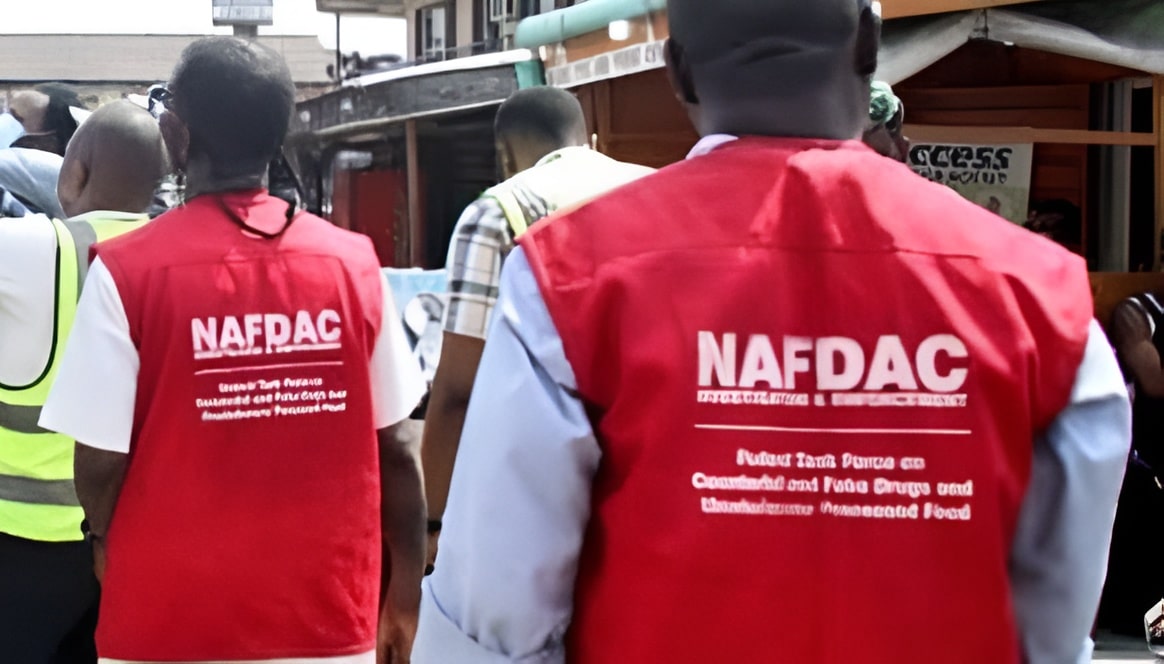

The National Agency for Food and Drug Administration and Control (NAFDAC) has intercepted two tankers designated to transport edible vegetable oil after they were found carrying Automotive Gas Oil (diesel) in Lagos.
Speaking to journalists on Monday, the agency’s Director of Investigation and Enforcement, Martins Iluyomade, described the incident as a serious breach of food safety regulations and a potential threat to public health.
Mr Iluyomade said the discovery was made during a recent enforcement operation in Lagos.
He said the agency investigation revealed that the two tankers, meant exclusively for edible vegetable oil, had been loaded with diesel in violation of food safety regulations.
The director said the manager claimed ignorance of the colour-coding requirements for edible oil tankers and that the vehicles had previously been used only to transport diesel.

Mr Iluyomade said the two tankers and their drivers had been taken into custody, while investigations were ongoing to determine the full extent of the violation and ensure appropriate regulatory action.
“Vegetable oil has nothing to do with petrol or petroleum products, and that is why we are very particular about it,” he said.
“Any tanker designated for edible vegetable oil must be dedicated exclusively to that purpose, which is in line with international best practices for food safety.
The director assured the public that NAFDAC would intensify its enforcement and ensure additional vigilance to prevent a recurrence of such violations.
READ ALSO: NAFDAC blacklists Onifam Laboratories over regulatory violations
Mr Iluyomade, who is also the chairman of the National Taskforce, urged operators in the sector to comply with established safety and regulatory requirements.
The agency also appealed to members of the public to support its enforcement efforts by reporting suspicious activities to the nearest NAFDAC office nationwide.
(NAN)







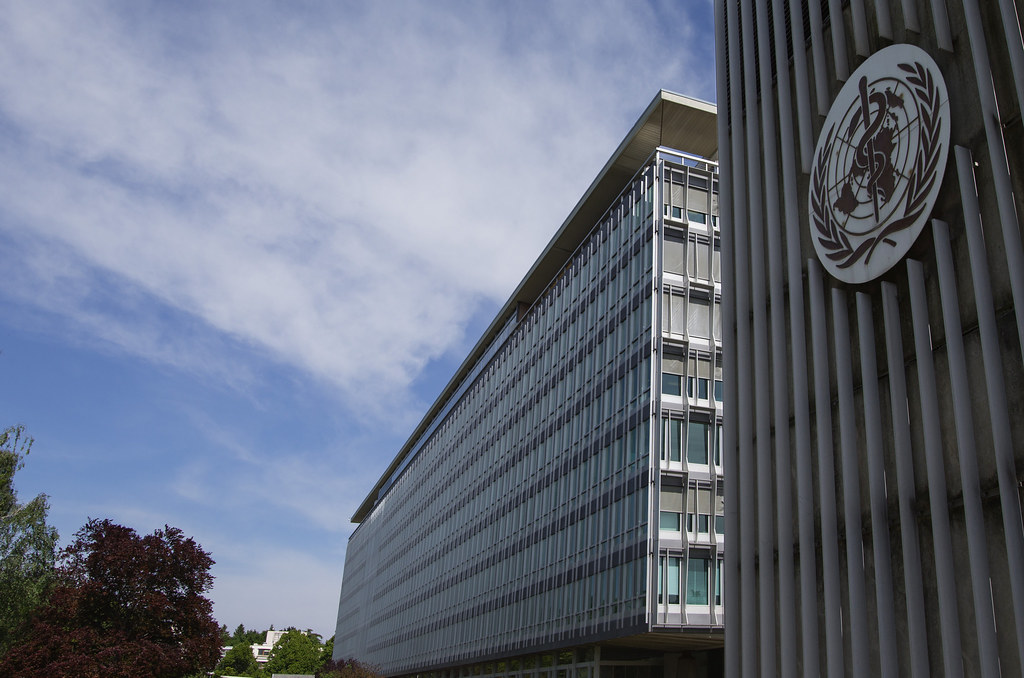
Six proven climate and health interventions could prevent 1.6 million deaths annually and generate trillions of dollars in economic benefits if implemented globally, the World Health Organisation (WHO) has revealed.
The measures, which include heat-health warning systems, access to safe water and sanitation, cleaner household energy and more efficient fossil fuel pricing policies, could generate $3.9 trillion in annual economic welfare benefits and a further $5.4 trillion in fiscal gains.
The WHO disclosed this in a new report titled ‘Global benefits and costs of prioritised actions on climate change and health’, released ahead of the 31st United Nations Climate Change Conference (COP31), where countries are expected to present their climate commitments.
According to the report, the six interventions could prevent one in every 40 deaths globally, based on modelled projections, while avoiding 16.7 billion tonnes of carbon dioxide emissions annually.
The estimated emissions reduction is equivalent to 31 per cent of global annual greenhouse gas emissions, excluding emissions from land use, land-use change and forestry.
The report, which the WHO described as its first comprehensive assessment of the economic and fiscal returns from scaling up the six recommended interventions, highlights the potential health and financial gains of integrating public health considerations into climate policies.

It argues that many health consequences of climate change are preventable through existing solutions, but governments must implement them across health and other sectors that determine people’s health.
Six interventions
The report identifies six interventions: heat-health warning systems, climate-resilient drinking-water services, basic sanitation services, hygiene and handwashing facilities, cleaner household fuels and technologies for cooking and heating, and efficient fossil fuel pricing policies.
The WHO estimates that five of the interventions could generate $24 in benefits for every $1 invested, with returns expected to be greater in low- and middle-income countries.
Heat-health warning systems are projected to deliver particularly high returns, generating an estimated $835 in benefits for every $1 invested.
The report attributes the high returns to the relatively low cost of expanding existing warning systems and their potential to prevent heat-related illnesses.
Efficient fossil fuel pricing policies, however, are projected to deliver the largest overall gains.
Such policies, including removing inefficient fossil fuel subsidies and appropriately taxing fossil fuels, could prevent 1.2 million deaths annually while generating $3 trillion in economic welfare benefits and $5.4 trillion in fiscal gains.
Health at the centre of climate action
Commenting on the findings, WHO Director-General Tedros Ghebreyesus said the climate crisis was also a health crisis, but many of its consequences could be prevented using existing interventions.
READ ALSO: WHO raises alarm as 75% of diabetes cases in Africa remain undiagnosed
He said expanding proven and affordable interventions could save millions of lives, particularly in countries with the greatest need.
“The climate crisis is a health crisis, but much of the harm it causes can be prevented with tools we already have,” he said.
Mr Ghebreyesus urged governments to place health considerations at the centre of climate action as they prepare for the next round of international climate negotiations.
The WHO said countries were already experiencing record-breaking climate shocks in 2026, investing in measures that protect human health and the environment increasingly urgent.
The health body called on governments, development partners and financing institutions to use the economic evidence to scale up the interventions, noting that they could deliver simultaneous benefits for public health, climate mitigation and national economies.
Discover more from Premium Times Nigeria
Subscribe to get the latest posts sent to your email.
-

 News3 days ago
Plateau APC 2027 Campaign Council inaugurated today in Jos
-
News4 days ago
Nigerians’ data appetite drives MTN Nigeria revenue to ₦2.68tn – Technology Times
-
News2 days ago
Plateau Ndigbo Crown Chief Johnson Nwosu as New Igwe
-
News4 days ago
“Brazil Must Be Ready for Nigeria” — SSA Adeboye Hails Flamingos, Backs Girls for Historic World Cup Final