News
Mamdani says feds have abdicated on AI, urges New Yorkers to push back







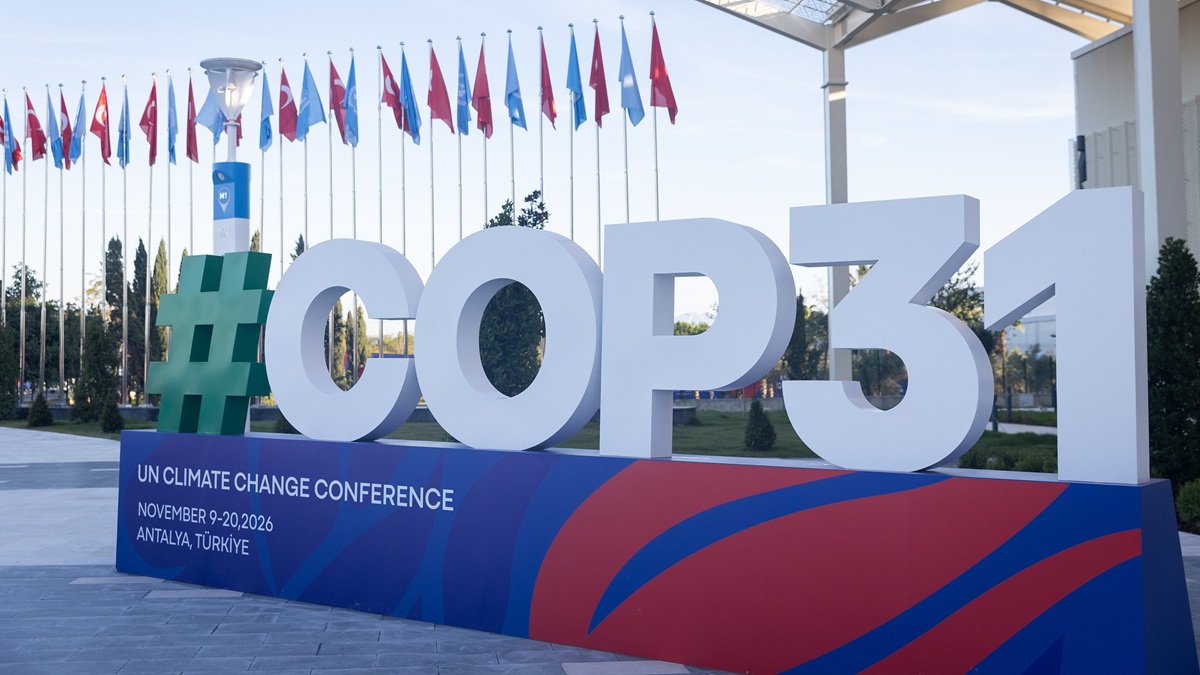
Climate change and its sweeping impact on human health are expected to feature prominently in discussions at the ongoing 31st session of the United Nations Climate Change Conference of the Parties (COP31) in Antalya, Türkiye, as global health and climate funders mobilise more than $375 million to address climate-related health challenges.
The funding, announced at the opening of the conference on Monday, is expected to support efforts to ramp up adaptation and mitigation measures, particularly in vulnerable communities at the mercy of extreme heat, air pollution, climate-sensitive infectious diseases and other health risks linked to global warming.
The announcement comes amid fresh warnings from international climate and health pundits that rising global temperatures, worsening extreme weather events and soaring greenhouse gas concentrations are heaping unprecedented pressure on public health systems.
In Nigeria and several other countries worldwide, surging temperatures have fuelled public health concerns in recent years. The emergence of El Niño—a natural climate pattern marked by the warming of ocean surface temperatures in the central and eastern tropical Pacific Ocean —is also stoking worries among world leaders.
Speaking at the opening ceremony, Simon Stiell, executive secretary of the UN Climate Change, said the world is witnessing dangerous heat levels that expose hundreds of millions of people to extreme temperatures.
“As today’s important data from the WMO shows, the world is getting dangerously hot. Hundreds of millions of people are exposed to extreme heat across Southern Asia,” Mr Stiell said.


He said heatwaves during the Northern Hemisphere’s summer broke temperature records and killed an estimated 50,000 people across Europe.
According to him, climate change has evolved into a global health crisis, with consequences ranging from toxic air pollution and extreme heat to climate-related disasters that overwhelm health systems and critical infrastructure.
Climate crisis is a global health emergency
Mr Stiell identified the effects of rising temperatures on pregnancy, newborns and maternal health as another emerging health disaster linked to climate change.
He attributed the worsening situation to continued dependence on fossil fuels and deforestation, warning that the consequences are becoming increasingly dangerous for vulnerable populations.
“The impacts of rising heat on pregnancy, newborns and maternal health are another unfolding health disaster which has the fingerprints of the climate crisis all over it,” he said.
He added that health will remain central to COP31 discussions, guided by Türkiye and Australia, building on the progress made at COP30 in Belém, Brazil.
The UN climate chief also highlighted the Climate & Health Funders Coalition, which he said has already awarded more than $200 million to back climate and health interventions before the latest funding announcement.
Mr Stiell said practical solutions, including electrification and the transition to clean energy, are crucial to reducing climate-related health risks and the economic pressures associated with fossil fuel dependence.
He urged governments to accelerate the transition to cleaner energy, warning that continued reliance on fossil fuels will expose households, businesses and governments, including health systems, to soaring costs.
WMO: Global temperatures set to rise further
Also speaking, Celeste Saulo, the secretary-general of the World Meteorological Organisation (WMO), said the organisation’s State of the Climate Update 2026 presented fresh evidence of an accelerating climate crisis.
She remarked that the past 12 years have been the warmest on record, while the past four years, including 2026, are the four warmest years recorded.
According to her, the global average temperature between January and September 2026 was approximately 1.47 degrees Celsius above the pre-industrial average.
Ms Saulo observed that temperatures could rise further before the end of the year due to a strong El Niño event, adding that its greatest impact on global temperatures is likely to be felt in 2027.
She said the current El Niño is unusually strong, with forecasts indicating that sea surface temperatures in the tropical Pacific could approach four times the threshold used by the WMO to declare an El Niño event between November 2026 and January 2027.
The WMO chief also disclosed other alarming indicators, including ocean heat touching a record high for the tenth year in a row and sea levels jumping to unprecedented levels.
She said rising sea levels are increasing the risks facing approximately 900 million people living along low-lying coastal areas.
Ms Saulo added that millions of people experienced dangerous heat in 2026, contributing to tens of thousands of excess deaths in Europe alone, while India, Pakistan and large parts of Asia and North America also experienced severe heatwaves.
She further cited devastating floods in parts of South America and Africa, droughts across parts of Asia, the Pacific and Central America, and catastrophic high-mountain disasters in China and Nepal.
Despite the worsening situation, she said progress is being made in strengthening early warning systems.
According to her, the number of countries reporting multi-hazard early warning systems increased from 56 in 2015 to 136 in 2025.
She urged governments at COP31 to prioritise sustained investments in climate observations, data systems and early warning infrastructure.
“We cannot afford to fly blind,” she said, stressing the need for urgent decisions and funding to address the growing climate threat.
Wellcome: Coalition awards over $225m in first year
Similarly, Alan Dangour, director of climate and health at Wellcome, said the latest WMO climate assessment demonstrates the magnitude of the threat posed by rising greenhouse gas concentrations, record-breaking temperatures, melting sea ice and rising sea levels.
He said the effects of climate change are increasingly being felt by people across the world, yet human health remains insufficiently prioritised in international climate negotiations.
“At Wellcome, we focus on people – on human health. And we’re working night and day to bring the health and wellbeing of people into rooms like this and the big negotiating rooms out there so that the impact of climate change on people finally takes its place at the climate change table,” he said.
Mr Dangour cited findings from the Lancet Countdown annual report, which Wellcome funds, estimating that fossil fuel-related air pollution and extreme heat contribute to more than three million deaths annually.
He also noted that extreme drought affected nearly 52 per cent of the world’s land for at least one month in 2025, the second-highest level on record.
According to him, drought and changing groundwater conditions are worsening food insecurity and sanitation challenges, with significant implications for public health.
However, he said several proven interventions could help curtail the health burden of climate change.
These include cleaner energy, electrification, heat early warning systems and broader adaptation measures, which he said could prevent deaths and reduce healthcare costs.
READ ALSO: COP31 opens in Türkiye with focus on climate finance, implementation
On the coalition’s funding efforts, Mr Dangour said Wellcome has joined forces with more than 35 philanthropic organisations to establish the Climate & Health Funders Coalition at COP30 in Belém, with an initial joint commitment of $300 million.
He announced that the coalition awarded more than $225 million in its first year to support interventions addressing extreme heat, air pollution, climate-sensitive infectious diseases and data systems.
The coalition also attracted an additional $150 million in commitments from new and existing funders, bringing the total funding mobilised to more than $375 million.
Mr Dangour called on governments and businesses to strengthen their responses to climate-related health risks, particularly for vulnerable groups, including children, pregnant women, outdoor workers and older people.
He also highlighted the need for policies to protect pregnant women and newborns from extreme heat exposure.
At the Pre-COP31 meeting in Fiji, he said Wellcome and its partners launched a global call to action seeking improved health guidelines, information, plans and data to protect pregnant women from extreme heat.
He urged governments to put human health and wellbeing at the centre of climate action, arguing that the success of climate negotiations should be measured not only by emissions reductions and temperature targets but also by lives saved and improved health outcomes.
Discover more from Premium Times Nigeria
Subscribe to get the latest posts sent to your email.

-

 News23 hours ago
Troops Arrest Suspected Gunrunner, Neutralise Two Terrorists in Plateau
-
News2 days ago
Makinde Visits COCIN Headquarters in Jos, Urges Christians to Shape Nigeria’s Political Future
-
News3 days ago
Presidency seeks AI safeguards ahead of 2027 elections – Technology Times
-
News4 days ago
NISER, IWMI Seek Urgent Reforms To Fix Nigeria’s Agricultural System