Business
Lasaco Assurance Launches N18.47bn Rights Issue April


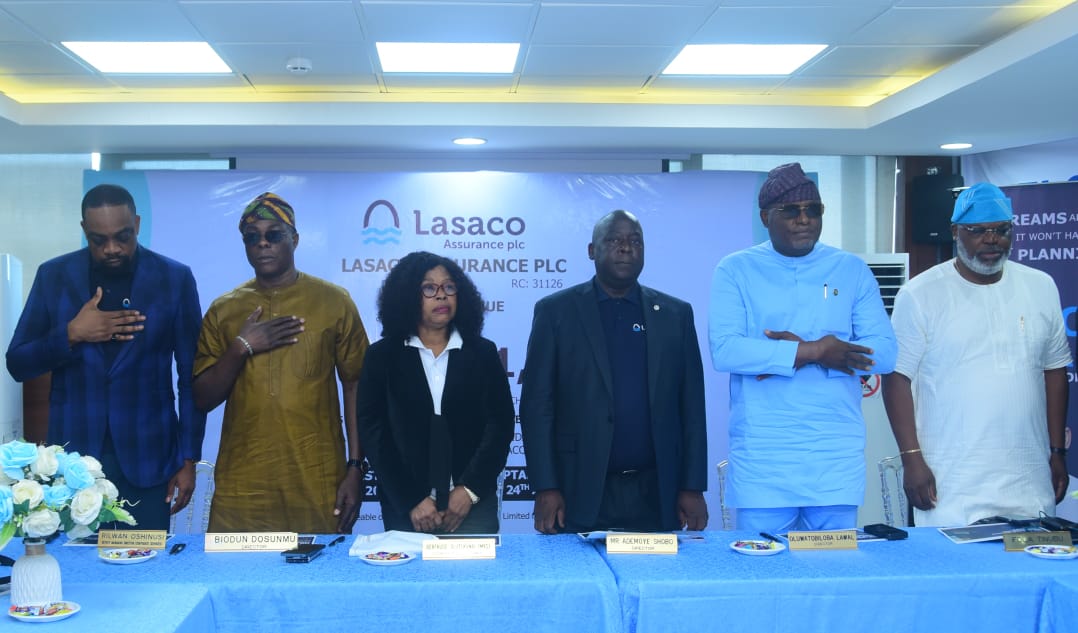
Lasaco Assurance Plc has announced a rights issue of 9,236,321,546 ordinary shares as part of efforts to reinforce its capital base and support future growth.
This was disclosed by the company during a signing ceremony that took place at its Head office in Lagos, following the approval by the Nigerian Exchange Group (NGX) and the Securities and Exchange Commission (SEC).
The company had earlier had an extra general meeting where the shareholders supported the move for the company to raise capital from the market, through the process of right issue.
The offer, priced at ₦2.00 per share, involves ordinary shares of 50 kobo each and is being made on the basis of five new shares for every six existing shares held by shareholders.
According to details released by the company, the rights issue is open to shareholders whose names appeared on the register as at the close of business on Friday, February 20, 2026. The acceptance list is scheduled to open on April 2, 2026, and close on April 24, 2026.
The offer is expected to raise approximately ₦18.47 billion, providing fresh capital to enhance the underwriting capacity of the insurer and position it for expansion within Nigeria’s competitive insurance market.
The rights being offered will be tradable on the floor of the Nigerian Exchange Limited for the duration of the offer, giving shareholders the flexibility to either take up their rights or sell them in the market.
Financial advisers to the transaction include Meristem Capital Limited as the Lead Issuing House, alongside PAC Capital as Joint Issuing House.
The capital raise aligns with ongoing efforts by insurance companies to meet regulatory requirements and improve their balance sheets, while also positioning for increased participation in large-ticket risks across sectors of the economy.
The Managing Director, Lasaco Assurance Plc, Mr. Ademoye Shobo said, “At Lasaco, we will continue to ensure that our capital is always robust, so that we’re able to deliver on the mandates to the general public.”
The post Lasaco Assurance Launches N18.47bn Rights Issue April appeared first on Business Today NG.
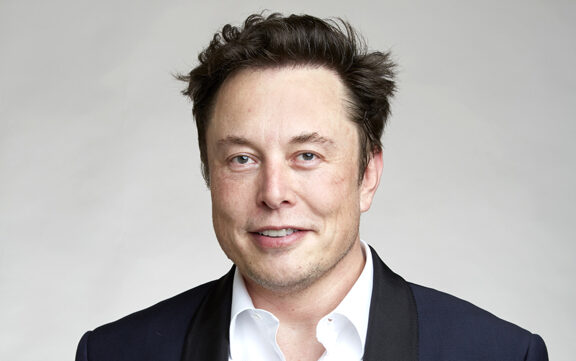

Elon Musk, the world’s richest person, has attained trillionaire status after SpaceX, the rocket, AI and satellite communications company established by him, turned a soaraway success on its first trading day, surging 20 per cent to $2.1 trillion in valuation.
SpaceX’s shares closed at $161 on the Nasdaq on Friday, compared to its initial public offering (IPO) price of $135, making it the biggest-ever stock market debut.
The IPO had earlier raised $75 billion from investors and the underwriters of the transaction before the listing.
“Liftoff! First $SPCX trade complete,” Space X wrote on X (formerly Twitter), which Mr Musk also owns.
The 54-year old now has a total net worth of $1.1 trillion, according to the Bloomberg Billionaires Index, with its stake in SpaceX standing at 42 per cent or $767.1 billion as of Friday.

SpaceX debuted with a valuation of around $1.8 trillion. Its valuation at the end of Friday’s trade makes it the sixth-largest publicly traded company in the United States.
Trading under the ticker symbol “SPCX,” SpaceX began trading shortly before noon, attracting strong investor demand.
The listing places SpaceX among the world’s most valuable companies, despite the firm reporting a loss of nearly $5 billion last year and generating significantly less revenue than many technology giants with comparable valuations.
“I gave SpaceX a 10 per cent chance of succeeding at all,” Mr Musk said shortly before the company was listed.
SpaceX, since its establishment in 2002, has evolved from an experimental rocket startup into a dominant player in aerospace, satellite communications, and AI-related infrastructure.
READ ALSO: Elon Musk announces formation of American Party
Starlink, its satellite internet business, has expanded SpaceX beyond rocket manufacturing into a broader technology and connectivity platform.
Mr Musk, who now controls several companies, including Tesla, SpaceX, xAI, and X, began building his wealth by co-founding Zip2 and PayPal.
After completing the acquisition of X in October 2022 in a deal worth $44 billion, Mr Musk introduced monetisation features on the platform, which contributed to the growth of his business empire.
After selling Zip2 and later PayPal, he reinvested much of his earnings into Tesla, SpaceX, and other ventures.
Mr Musk’s wealth is now nearly equivalent to the entire economic output of Switzerland or Poland.
BY NKECHI NAECHE-ESEZOBOR—The National Pension Commission (PenCom) has received a four-member delegation from Kenya’s Retirement Benefits Authority (RBA) for a four-day technical study visit in Abuja, solidifying Nigeria’s position as a leading reference point for pension reform and regulatory innovation across the African continent.
The Kenyan delegation, led by John Keah, Director of Market Conduct and Industry Development at the RBA, is visiting Nigeria from June 8 to 11, 2026, to understudy PenCom’s regulatory and supervisory frameworks.
Keah noted that the engagement highlights the critical role of cross-border learning among African regulators aiming to optimize retirement systems and improve pension outcomes for citizens. He added that structural similarities between the two nations’ pension landscapes make Nigeria’s journey highly relevant to Kenya’s ongoing domestic reforms.
The RBA delegation is focusing its study on PenCom’s Environmental, Social, and Governance (ESG) initiatives, its risk-based supervision framework, and its strategies for expanding pension coverage to both the informal sector and the diaspora.
Keah particularly lauded the governance safeguards within Nigeria’s pension system and described the Diaspora Pension Arrangement as an innovative milestone capable of reducing old-age poverty and enhancing long-term retirement security.
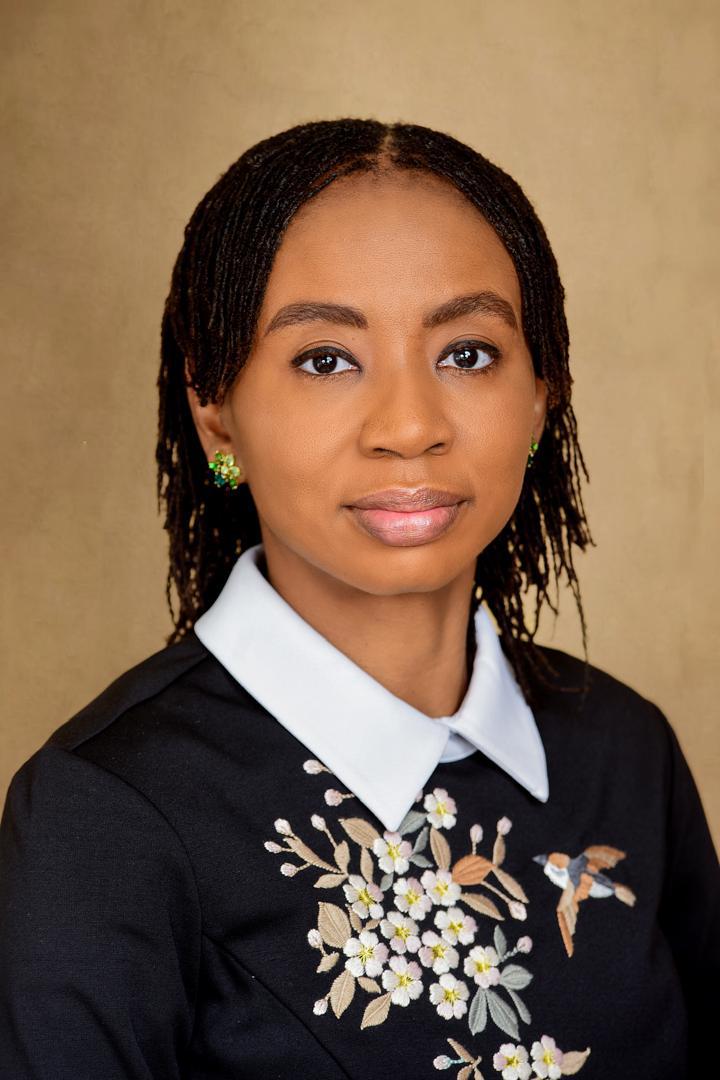
Welcoming the delegation, the Director General of PenCom, Ms. Omolola Oloworaran, reiterated Nigeria’s dedication to regional collaboration and knowledge exchange. Represented by the Director of the Surveillance Department, Abdulrahaman Muhammad Saleem, the Director General revealed that pension assets under management in Nigeria have grown to over ₦32 trillion, representing approximately 10.4 percent of the nation’s Gross Domestic Product (GDP).
This growth, she noted, stems from continuous regulatory reforms, heightened governance standards, and rigorous supervisory mechanisms established since the inception of the Contributory Pension Scheme (CPS) in 2004.
Ms. Oloworaran also highlighted the Federal Government’s recent settlement of outstanding accrued pension rights liabilities as a historic turning point for the CPS.
The intervention, executed through the issuance of a Federal Government bond, effectively resolved a prolonged funding backlog that had previously delayed retirement benefits for public sector employees within Treasury-Funded Ministries, Departments, and Agencies (MDAs).
Under the new framework, accrued rights are transferred directly into retirees’ Retirement Savings Accounts (RSAs), granting immediate access to investment returns and eliminating lengthy waiting periods.
The technical visit, anchored on the theme “Risk-Based Supervision and ESG Integration in Pension Funds,” includes interactive departmental presentations, study tours to selected Pension Fund Administrators (PFAs), and collaborative sessions on emerging risks.
Both regulatory bodies expect the engagement to deepen bilateral cooperation and foster resilient, inclusive, and sustainable pension architectures across East and West Africa.
The post Nigeria’s Pension Assets Top ₦32tn as Kenyan Regulator Understudies Reforms appeared first on Business Today NG.
-

 Health3 days ago
Cholera Outbreak: 74 dead, over 7,800 cases strain Borno facilities
-
News3 days ago
Nasarawa North bye-election: Maku alleges plot to manipulate result, names nine vulnerable wards
-
Health4 days ago
Tinubu establishes Ebola task force, approves ₦10bn for preparedness
-
Health4 days ago
Plateau State Govt Moves to Sustain Malaria Control Gains with 2026 SMC Campaign