Health
France reports first human case of Shamonda virus as patient dies


France has reported the world’s first documented human infection with Shamonda virus (Shav) in a patient with a severely weakened immune system who died in early October.
According to a BBC report, French health authorities said it was an “exceptional case in a severely immunocompromised patient” and there was currently no risk to the public.
Shav is a disease that primarily affects cattle and can be spread by infected midges. Cases have also occurred in sheep, goats, alpacas and horses, but infections in people were previously unheard of.
The World Health Organisation (WHO) and European Centre for Disease Prevention and Control (ECDC) said they were monitoring the situation, with French officials still investigating how the virus had spread to a human.
In a post on his official X account, WHO Director-General, Tedros Ghebreyesus, said the agency was working with French authorities to establish the source of the infection, possible routes of transmission and any potential public health risks.
Mr Ghebreyesus said the French patient was in an area where the Shamonda virus was circulating in animals and where Culicoides midges were also present.


“WHO is in contact with French authorities who are collecting information to better understand the source of infection in the first human patient, possible routes of transmission and any potential risk to public health,” he said.
What is Shamonda virus?
Shamonda virus primarily affects animals, particularly cattle, and spreads between animals through the bites of infected Culicoides midges, small biting insects. It has also been detected in sheep, goats and horses.
The virus was first identified in Nigeria in the 1960s and has circulated in parts of Africa and Asia for decades without any previously documented human infection.
French authorities believe the patient may have contracted the virus through a midge bite in eastern France, where infections had been detected in animals during the spring and summer.
The patient was receiving treatment for a ‘serious’ illness at a hospital in Lyon when he/she developed neurological complications that preliminary findings suggested were very likely linked to the virus.
Investigations are continuing to determine how the infection occurred and whether the virus contributed to the patient’s death.
Emerging disease concerns
The development comes amid international attention to other infectious disease threats this year, including hantavirus and Ebola.
Hantavirus is a group of viruses primarily transmitted to humans through contact with infected rodents or their urine, droppings and saliva. Depending on the strain, infection can cause severe respiratory illness or affect the kidneys.
In May, a cluster of hantavirus infections linked to a cruise ship prompted an international response after three people died among 13 reported cases. The outbreak was declared over in July.
Ebola, meanwhile, causes a severe illness that can include fever, vomiting, diarrhoea and, in some cases, internal or external bleeding. The disease spreads through direct contact with the blood or other bodily fluids of infected people and contaminated materials.
Nigeria confirmed an imported case of Ebola caused by the Bundibugyo virus in the Federal Capital Territory on 20 October, following an outbreak that began in the Democratic Republic of the Congo (DRC) and spread to other countries.
The WHO has said the Shamonda virus case appears isolated based on current evidence, although investigations into how the patient became infected and the potential public health implications are continuing.
Discover more from Premium Times Nigeria
Subscribe to get the latest posts sent to your email.




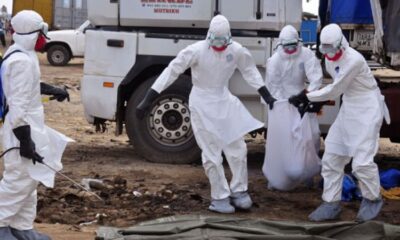


The Africa Centres for Disease Control and Prevention (Africa CDC) has criticised the lack of investment in developing a vaccine against the Bundibugyo strain of Ebola, nearly two decades after the virus was first identified in Uganda.
The agency’s Director-General, Jean Kaseya, said the absence of an approved vaccine reflected the international community’s failure to prioritise diseases largely affecting African countries.
Speaking on Channels Television’s The Morning Brief on Thursday, Mr Kaseya argued that the situation would have been different if outbreaks of the disease had occurred in Western countries.
“If this outbreak was in Western countries, vaccines will already be available,” he said.
Mr Kaseya said the Bundibugyo virus was first identified 19 years ago and had caused three outbreaks, yet no vaccine had been approved specifically to prevent the disease.
He said the situation highlighted the need for African countries to invest in vaccine research, clinical trials and local manufacturing rather than depend almost entirely on international partners.
Africa pushes for vaccine development
Mr Kaseya said Africa CDC was working with partners to advance research into vaccines against the Bundibugyo virus, including efforts involving an African manufacturer in Egypt.
He said the agency was also collaborating with the Democratic Republic of the Congo (DRC) and Uganda to explore possible research and emergency-use options involving existing Ebola vaccines.
One of the vaccines under consideration, Ervebo, is approved for preventing disease caused by the Ebola virus, formerly known as the Zaire strain. However, it is not approved for preventing disease caused by the Bundibugyo virus.
Mr Kaseya said the ongoing efforts were intended to strengthen Africa’s ability to respond to disease outbreaks without relying heavily on external support for vaccines and other essential medical products.
“We don’t want to see Africa left behind,” he said.
He maintained that Africa had the scientific expertise, skilled personnel and manufacturing potential needed to develop and produce vaccines, medicines and diagnostic tools.
Nigeria’s Ebola case
Mr Kaseya’s remarks come as Nigeria responds to its first confirmed case of Ebola virus disease, following an outbreak that began in the DRC in May.
As PREMIUM TIMES reported on Thursday, the confirmed patient is the wife of a diplomat who had travelled to Kampala, Uganda, before returning to Abuja. She developed symptoms shortly after her return and initially sought treatment for what was believed to be malaria before her infection was confirmed.
The Nigerian government said the patient is receiving medical care in isolation, while health authorities have identified 44 contacts for monitoring.
The case makes Nigeria the latest country affected by the cross-border spread of the disease.
The ongoing outbreak has also affected the DRC and Kenya, while Uganda previously recorded cases before declaring its outbreak over.
Greater control of vaccine production
Mr Kaseya said the response to the current outbreak should mark a turning point in how Africa prepares for and manages infectious disease emergencies.
He identified three priorities: expanding vaccine manufacturing on the continent, improving coordination among international partners and increasing domestic funding for public health responses.
According to him, 28 African countries had contributed funding to support the response, which he described as a significant demonstration of growing continental ownership of health emergencies.
He said African countries must continue to mobilise resources rather than depend almost entirely on international assistance when outbreaks occur.
Mr Kaseya also stressed that the organisation had a responsibility to protect the continent’s estimated 1.5 billion people across 55 countries, adding that its response to the Nigerian case was being coordinated with the country’s health authorities and international partners.
He said that the current outbreak should accelerate efforts to build a more self-reliant African health system, with stronger domestic financing and greater capacity to develop and produce essential medical supplies.
“After Ebola, Bundibugyo will not be like before Bundibugyo,” he said, expressing confidence that the continent’s approach to vaccine development and outbreak response would change.
Discover more from Premium Times Nigeria
Subscribe to get the latest posts sent to your email.
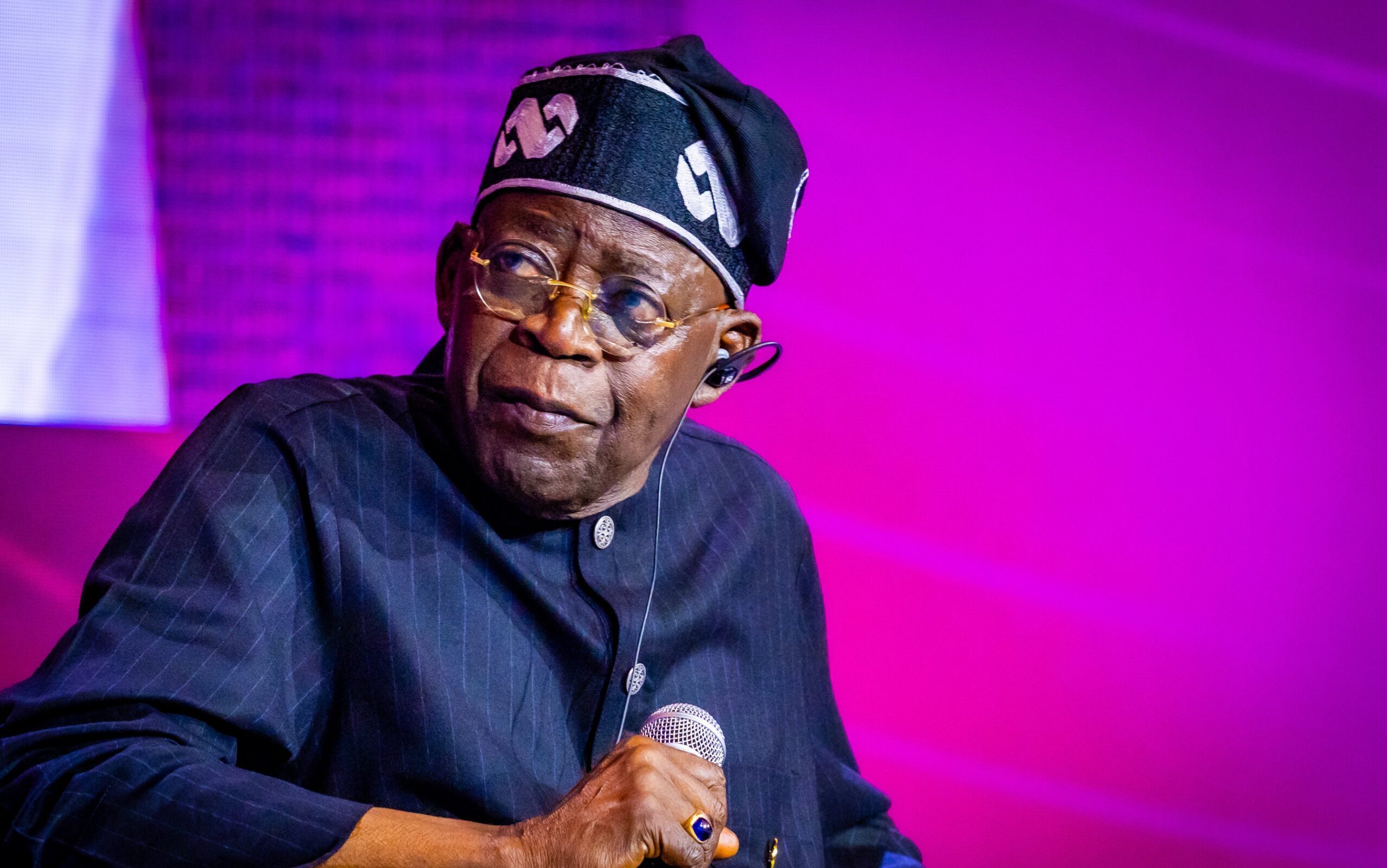
Following the confirmation of an Ebola case in Abuja, some Nigerians on X have linked the development to the federal government’s plans for the 2027 general elections, questioning the timing of the outbreak and its handling of the case.
The comments include claims that the government could use the disease as a pretext to restrict movement, affect political gatherings or influence voter turnout ahead of the elections.
The federal government on Tuesday confirmed that a woman who recently arrived in Nigeria on an international flight from Uganda tested positive for Ebola and is receiving treatment in isolation at a private hospital in the Federal Capital Territory (FCT).
Authorities said 44 close contacts had been identified, including healthcare workers, patients, caregivers and travel contacts, and are being monitored as part of efforts to prevent further transmission.
The announcement has triggered scepticism among some Nigerians online, with some questioning whether the case could be connected to political activities ahead of the 2027 elections.
One X user, @xikonex, claimed that the government could impose movement restrictions after Christmas, alleging that such measures could prevent Nigerians from travelling to their polling areas.
“APC and Bola Tinubu are planning to use Ebola to restrict Nigerians’ movement immediately after Christmas,” the user wrote, alleging that the aim would be to prevent people from voting.
Another user, @funnycrown6, urged Nigerians to remain vigilant ahead of the elections, saying: “Nigeria’s health must never become a tool for political propaganda. Our lives are not campaign strategies.”
@AnthonyOnyeGuy also questioned the timing of the development, writing: “Conveniently happening 2 months to a general election.”
Another user, @Franeb, similarly alleged that the government could impose restrictions under the guise of containing Ebola, writing that “Bola Tinubu wants to lock down Nigeria in the name of Ebola.”
Comparing 2014 response
Some Nigerians also compared the current response with Nigeria’s handling of the 2014 Ebola outbreak, when Liberian-American Patrick Sawyer became the country’s index case after arriving in Lagos.
@N6oflife6 wrote that Nigerians knew the identity of the 2014 index case and the hospital where he was treated, but claimed that the government had provided less information about the current patient.
“Ebola has happened under BAT. Two days now we don’t even know the name of the patient or who they have contacted,” the user wrote.
Similarly, @firstladyship referenced Sawyer and the late physician Stella Adadevoh, who died after contracting Ebola while treating him, arguing that the current response has left room for “guesses” and “speculations”.
However, the federal government has assured that it is taking measures to contain the infection and prevent community transmission.
The Coordinating Minister of Health and Social Welfare, Muhammad Pate, said authorities are currently treating the case as an imported infection rather than community transmission. The 44 identified contacts are being monitored for at least three weeks, while public health teams continue to identify people who may have been exposed.
The World Health Organisation (WHO) has also urged Nigerians to remain calm, saying that one imported case does not by itself mean Nigeria is experiencing an Ebola outbreak.
WHO Regional Director for Africa, Mohamed Janabi, said the organisation is supporting Nigeria with case investigation, contact tracing, laboratory testing, infection prevention and control, and protection of health workers and communities.
Lawmakers demand action
Amid public concern, the House of Representatives on Wednesday urged the federal government to release outstanding funds appropriated for health agencies, citing the need to strengthen surveillance, contact tracing, and emergency response.
Lawmakers also raised concerns about infection prevention supplies, health-worker preparedness and emergency response capacity. The Senate separately called for the immediate release of emergency funds from the Service Wide Vote and urged stronger health screening at airports and other entry points.
Nigeria successfully contained its 2014 Ebola outbreak and was declared free of transmission by WHO on 20 October 2014, after 42 days without a new case. The outbreak recorded 20 cases, including 19 laboratory-confirmed cases and one probable case, with eight deaths.
Discover more from Premium Times Nigeria
Subscribe to get the latest posts sent to your email.
-

 News4 days ago
No agenda, no rush, no leaving San Francisco: Benchmark’s partners on investing in a frenzied market
-
News3 days ago
Amazon to fund 12 small nuclear reactors at former Indiana coal plant
-
News3 days ago
Mamdani says feds have abdicated on AI, urges New Yorkers to push back
-
News2 days ago
Meta’s Muse hits 10M U.S. downloads in 40 days, a milestone reached by only 11 other apps