Health
FG disburses N249.6bn health fund in three years, targets 17,600 facilities

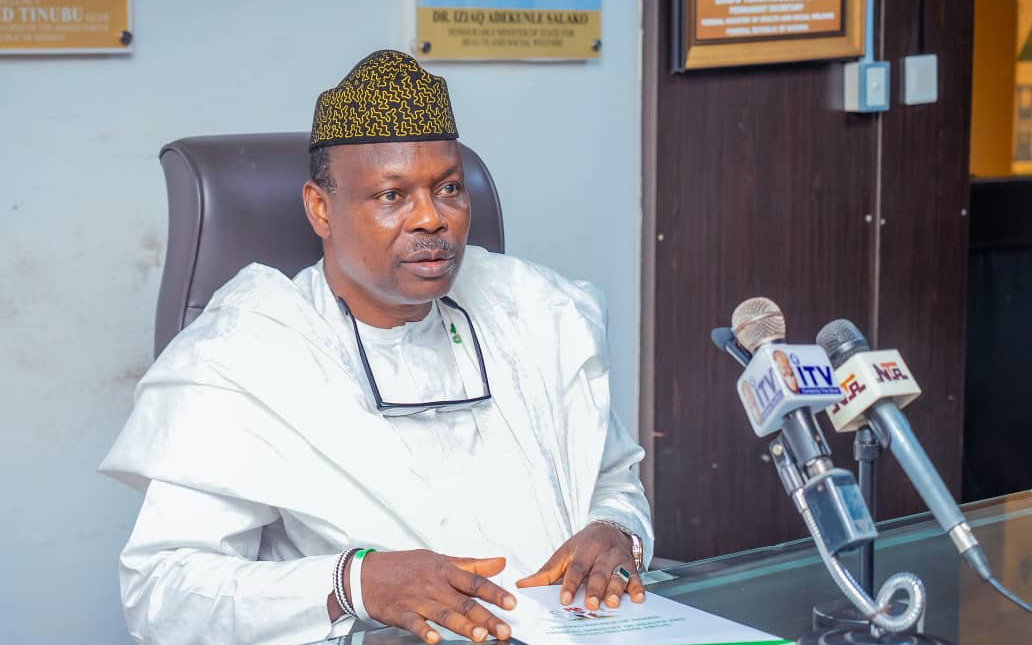
The federal government says it has disbursed N249.6 billion to the Basic Health Care Provision Fund (BHCPF) in the past three years, representing 77.1 per cent of the N323.6 billion disbursed since the fund was established in 2019.
The government also plans to expand direct financing to at least 17,600 primary healthcare facilities and provide health insurance coverage for about 90,000 Nigerians in correctional facilities.
The Minister of State for Health and Social Welfare, Iziaq Salako, disclosed this on Wednesday in Abuja during a ministerial briefing on three years of implementation of the fund under President Bola Tinubu’s administration.
Established under the National Health Act 2014, the BHCPF is designed to improve access to essential healthcare, particularly for poor and vulnerable Nigerians.
Mr Salako said the fund had become a key instrument for implementing the Nigeria Health Sector Renewal Investment Initiative, launched in December 2023 to strengthen healthcare delivery and financing.
Disbursements and allocations
According to Mr Salako, total releases to the fund stood at N422.3 billion as of September 2026, with N323.6 billion disbursed.


He said the Ministerial Oversight Committee approved an additional N40.76 billion at its meeting on 14 October. The approval is expected to raise cumulative disbursements to N364.3 billion, including N290.2 billion under the Tinubu administration, according to the statement.
Speaking on the latest allocation, Mr Salako said N19.87 billion would go to the National Health Insurance Authority, N18.34 billion to the National Primary Health Care Development Agency, N2.04 billion to emergency medical treatment and N509.48 million to the Nigeria Centre for Disease Control and Prevention.
He said the allocations would support health insurance, primary healthcare services, emergency medical response and disease surveillance.
Mr Salako added that the government was working with the National Assembly to increase the fund’s statutory allocation from one per cent to two per cent of the Consolidated Revenue Fund.
Health insurance and primary healthcare
On financial protection, Mr Salako said national health insurance enrolment increased from about 16.2 million people in 2023 to 23.06 million by the third quarter of 2026.
He said the BHCPF had supported insurance coverage for 3,182,943 vulnerable Nigerians with National Identification Numbers.
The fund, he added, had also supported free surgeries and rehabilitation for women with vesicovaginal fistula, emergency caesarean sections and other emergency obstetric and newborn care interventions for 96,068 women and babies.
Mr Salako said the oversight committee had also approved health insurance coverage for approximately 90,000 Nigerians in correctional facilities, with implementation expected to expand access to essential healthcare for inmates.
On primary healthcare delivery, he said direct facility financing currently supports 8,309 PHCs across the 36 states and the Federal Capital Territory.
He said the government planned to include a further 5,212 facilities, bringing the projected total to 13,521. However, the government’s broader target is to expand direct financing to at least 17,600 facilities.
Mr Salako added that the number of facilities attaining Level 2 readiness increased from 1,748 in 2024 to 3,202 in the third quarter of 2026.
He also said PHC attendance rose from 34.55 million in 2023 to 43.06 million by the second quarter of 2026.
Emergency services and health workers
On emergency medical services, Mr Salako said operational structures had been established in all 36 states and the FCT.
Through the Rural Emergency Service and Maternal Transport arrangements, emergency transport services had been established in 171 of the 172 local government areas covered by the Maternal and Newborn Mortality Reduction Innovation Initiative. The government plans to extend the initiative to 200 local government areas by December 2026.
He said the emergency response system had recorded 168,571 ambulance service episodes since 2023, covering obstetric emergencies, neonatal and under-five emergencies, road traffic injuries, snakebites, burns and other urgent medical conditions.
Mr Salako said 78,054 frontline health workers had been trained towards a national target of 120,000.
He also said the oversight committee approved phased salary support for 13,800 community-based health workers and skilled birth attendants. Under the arrangement, the federal government would cover eligible salary costs in full in the first year, 67 per cent in the second year and 33 per cent in the third year, before state governments assume full responsibility.
READ ALSO: FG partners US foundation to mobilise $1bn to tackle child malnutrition
He said the committee had also approved the operationalisation of MEDIPOOL, a pooled procurement mechanism intended to improve access to essential medicines and health commodities, subject to quality assurance and accountability safeguards.
Accountability and next steps
Mr Salako urged state governments to fulfil their counterpart financing obligations and ensure sustainable funding for primary healthcare services. He commended Katsina State for releasing N240.79 million to its State Health Insurance Agency to support expanded coverage.
He said the Ministry of Health and Social Welfare was strengthening financial accountability through the implementation of the updated BHCPF Guidelines 2.0 and collaboration with the Independent Corrupt Practices and Other Related Offences Commission to track the use of public funds.
He emphasised that timely reporting, transparent payments, and expenditure verification were necessary to ensure funds reached healthcare facilities and translated into services for patients.
Mr Salako said the government remained committed to increasing domestic health financing and improving access to essential healthcare, particularly for vulnerable Nigerians.
Discover more from Premium Times Nigeria
Subscribe to get the latest posts sent to your email.





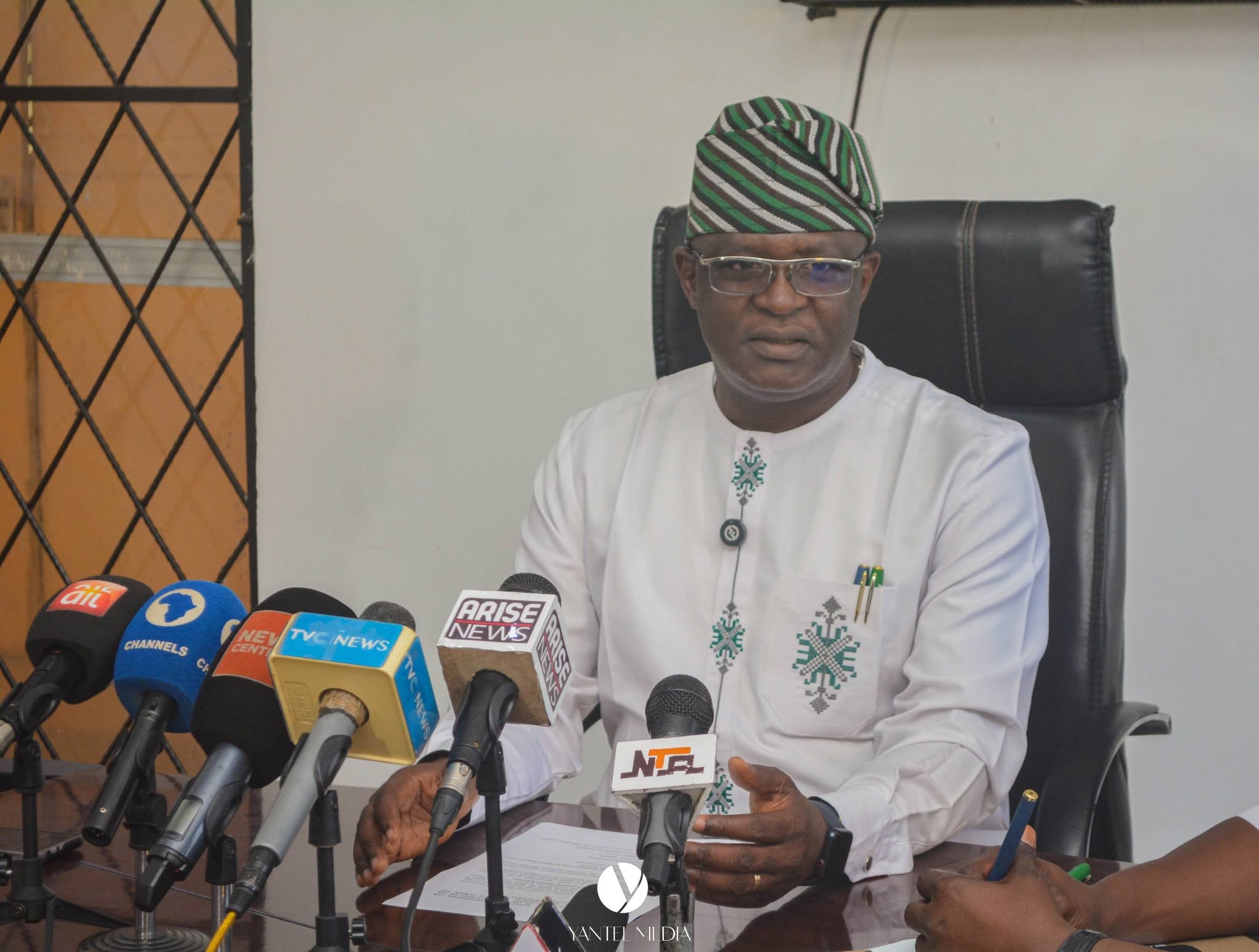
The Plateau State Government has raised concerns over the growing burden of diabetes after recording 5,457 suspected new cases between January and September, highlighting the need for expanded screening and early diagnosis.
The figure, disclosed by the state Commissioner for Health, Nicholas Ba’amlong, on Monday in Jos, comes after the state recorded 5,546 suspected cases throughout 2025.
Speaking at a press briefing to commemorate the 2026 World Diabetes Day, Mr Ba’amlong said the figures represented suspected cases and not confirmed diagnoses, but warned that many residents could be living with the condition without knowing their health status.
“Diabetes remains a major public health concern because many people are living with the condition without knowing their status,” he said.
The commissioner also cited findings from the 2024 nationwide Know Your Number, Control Your Number screening campaign, which showed that 14,359 people were screened in Plateau State, with 2,610, representing about 18 per cent, recording elevated blood glucose levels.
He, however, cautioned against interpreting the findings as the prevalence of diabetes in the state, explaining that elevated blood glucose readings from a screening exercise did not amount to confirmed diagnoses.
“The findings highlight the need to expand access to screening, diagnosis and treatment, but they do not represent the prevalence of diabetes in the state,” he said.
As part of activities marking this year’s World Diabetes Day, the state Ministry of Health, in collaboration with the Plateau chapters of the Diabetes Association of Nigeria and the Endocrine and Metabolic Society of Nigeria, organised a free workplace screening exercise at the Joseph Gomwalk Secretariat Complex in Jos.
Mr Ba’amlong said the exercise targeted 1,000 civil servants and included blood glucose and blood pressure checks, weight and body mass index assessments, health education, counselling and referrals for further medical attention where necessary.
He said the government was working to expand diabetes awareness and screening services to underserved communities across the state’s 17 local government areas through primary healthcare facilities and community outreach programmes.
“The state government, under Governor Caleb Mutfwang, is working towards extending diabetes education and screening services to underserved communities across the 17 local government areas through existing primary healthcare facilities and community outreach programmes,” he said.
According to him, the government is also exploring partnerships and appropriate medical technologies to improve access to diagnostic services, particularly at the primary healthcare level, while strengthening follow-up and referral systems for people with elevated blood glucose levels.
ALSO READ: WHO raises alarm as 75% of diabetes cases in Africa remain undiagnosed
“Screening is only the beginning. Early detection must lead to appropriate diagnosis and treatment,” he added.
The commissioner urged residents, particularly those with a family history of diabetes, excess weight or high blood pressure, to undergo regular blood glucose checks and seek medical attention when necessary.
He also advised residents to adopt healthier lifestyles through balanced diets, regular physical activity and weight management, while avoiding tobacco and limiting alcohol consumption.
Mr Ba’amlong identified excessive thirst, frequent urination, unexplained weight loss and persistent fatigue as symptoms that could indicate diabetes.
He urged people already living with the condition to adhere to prescribed treatment and attend regular medical reviews to prevent complications.
World Diabetes Day is observed annually on 14 November to raise awareness about diabetes, promote prevention and improve access to quality care for people living with the condition.
Discover more from Premium Times Nigeria
Subscribe to get the latest posts sent to your email.
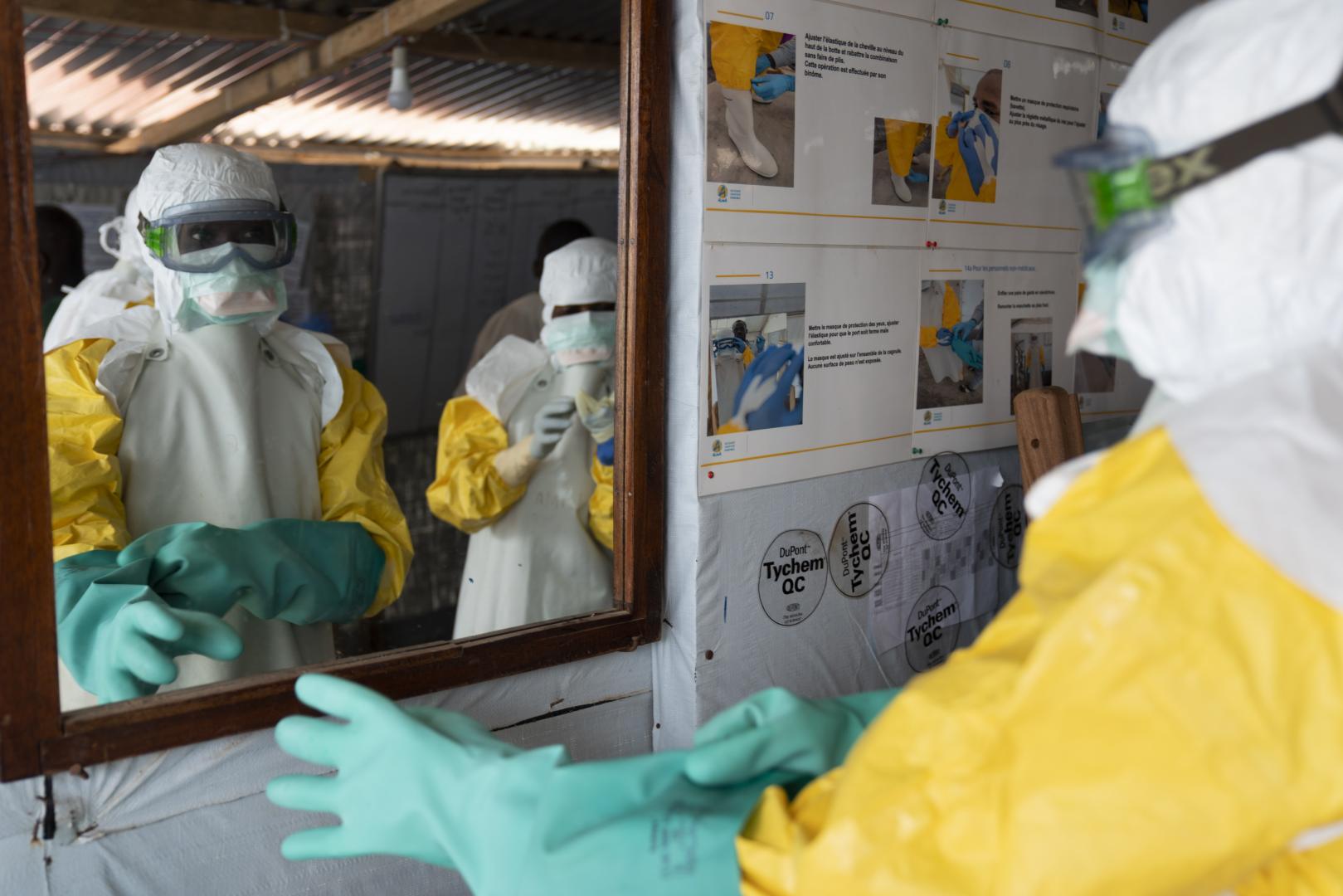
Insecurity has been identified as one of the “greatest obstacles” to containing the Ebola outbreak in the Democratic Republic of the Congo (DRC), where more than 11,000 cases and 5,400 deaths have been reported.
The World Health Organisation (WHO), in a news release published on 15 November, said attacks on health workers and facilities, displacement and difficulties reaching remote communities were disrupting efforts to contain the outbreak.
The outbreak, caused by the Bundibugyo virus, has spread to 67 health zones across eight provinces, with between 400 and 500 new cases reported weekly.
“Children account for more than a quarter of confirmed cases and one third of deaths. Seven in 10 children under five with confirmed Ebola have died,” it noted.
Attack on healthcare
According to the WHO, a recent armed attack in Cantine-Aloya killed 66 civilians, including three health workers, while three health facilities were looted.
The attack also resulted in more than 1,000 contacts being lost to follow-up, with three confirmed cases still unaccounted for. Another attack on the town was reported on 11 November.
According to WHO, more than 80 attacks on healthcare have been recorded since the outbreak was declared.
“A halt in hostilities is urgently needed to protect communities and health workers, and to safeguard the progress made over the past six months,” it noted.
The WHO said about two-thirds of confirmed deaths occurred in communities, suggesting that many infections were being identified too late for patients to receive timely treatment.
Cross-border transmission concerns
WHO also highlighted the risk of the outbreak spreading beyond the DRC, following recent imported cases in Kenya and Nigeria.
The agency said cross-border collaboration has strengthened surveillance, information-sharing and coordination among affected and at-risk countries.
“Recent imported cases in Kenya and Nigeria underscore the continuing risk of spread beyond national borders. Delays in paying frontline health workers and responders create tension and slow the response,” it said.
WHO said the developments underscored the need for neighbouring countries to maintain surveillance and preparedness, particularly around high-risk border areas.
Response gains
Despite the challenges, WHO said efforts had slowed transmission in some of the outbreak’s initial hotspots, including Mongbwalu, Nyankunde, Nizi, Rwampara and Butembo.
Diagnostic capacity has expanded from two laboratories to more than two dozen, while nearly 2,000 treatment beds are available across 104 treatment and transit centres.
About 3,000 people have recovered from the disease, while more than 17,000 community health workers and 46,000 community actors have been trained to support the response.
WHO said sustained funding, safe access for health workers and greater community participation would be essential to reaching areas that remain difficult to access and bringing the outbreak under control.
READ ALSO: WHO urges concrete action on antimicrobial resistance worldwide
Nigeria records no new infections
In Nigeria, the index patient evacuated to Switzerland has recovered and been discharged from hospital. At the same time, all 62 people identified as contacts have completed the mandatory 21-day monitoring period without any secondary infection.
The Nigeria Centre for Disease Control and Prevention (NCDC) disclosed this on 13 November, saying the patient tested negative for the virus after receiving further treatment in Switzerland.
NCDC Director-General, Jide Idris, said 13 of the 62 contacts developed fever or other symptoms during monitoring, but all tested negative. Seven suspected Ebola cases reported in five states were also investigated, with none testing positive.
“However, it is important to note that the completion of contact monitoring does not, by itself, constitute a formal declaration that an outbreak is over. Such a determination must be based on the applicable public health criteria and the findings of ongoing surveillance,” it noted.
“Nigeria therefore remains vigilant, particularly given the continued occurrence of Ebola virus disease in the DRC.”
Discover more from Premium Times Nigeria
Subscribe to get the latest posts sent to your email.
-

 News4 days ago
Tinubu (APC) in Jos: Promises to restore peace in the State and Nigeria
-
News4 days ago
Yari Defends Tinubu on Insecurity, Says Opposition Failed to Tackle Crisis for Over 20 Years
-
News3 days ago
Flaming Hydra’s new Kickstarter campaign rethinks e-book ownership and digital lending
-
News2 days ago
2027: Tinubu a failure, shouldn't seek second term – Atiku