Health
Army Chief: Commissioning of the Rhino Gymnasium and Swimming Pool marks a new era of physical fitness for Nigerian soldiers

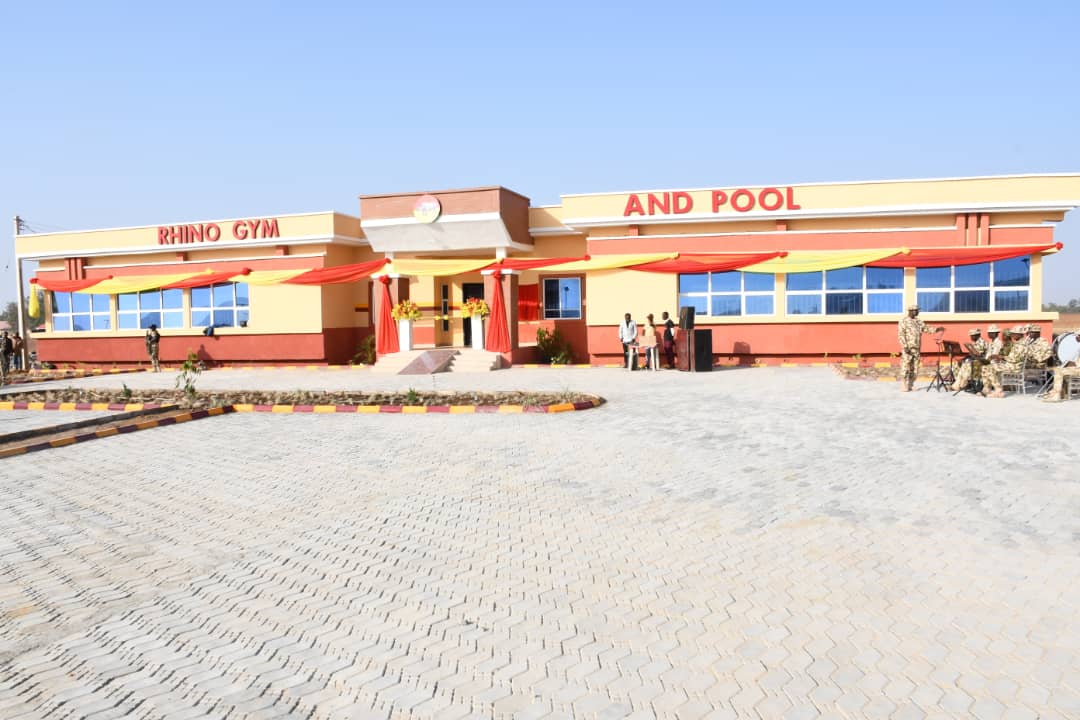
The 17th of January 2023 was a beautiful day at Maxwell Khobe Cantonment Jos, history was made as the Rhino Gymnasium and Swimming Pool was officially opened for use. The host of the event was none other than Major General IS Ali, the General Officer Commanding and Commander of Operation Safe Haven. The special guest of honour was the Chief of Army Staff, Lieutenant General Farooq Yahaya CFR, who was represented by Major General S. Mohammed, Chief of Army Standard and Evaluation.
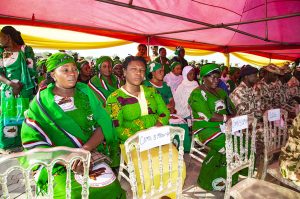
The ceremony was attended by an array of dignitaries, including other commanders and commanding officers, soldiers, NAOWA and family members of personnel, the team of engineers and artisans, and members of the press.
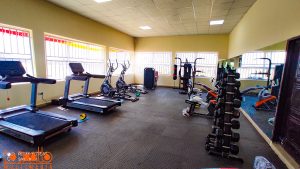
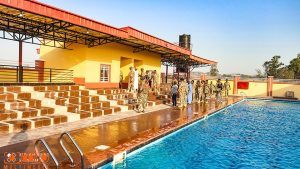
The 500 square-meter facility boasts two top-of-the-line gyms, six toilets and bathrooms, four changing rooms (equally divided between men and women), a swimming pool, a 200-sitter pavilion and two saunas. The gyms are equipped with modern facilities to accommodate the needs of all fitness levels, including:
- Treadmills
- Elliptical machines
- Stationary bikes
- Free weights
- Weight machines
- Rowing machines
- Pull-up and Dip stations
- Punching bags
- And more!


The commissioning of the Rhino Gymnasium and Swimming Pool marks a significant milestone for the Nigerian army and serves as a testament to their commitment to the physical and mental well-being of their soldiers. The facility will provide a much-needed space for soldiers to exercise and relax, fostering a positive and healthy environment for all.
The chief of army staff Lieutenant General Farooq Yahaya CFR Nigerian army medal, in his remark, said “With this new facility, our soldiers will be able to maintain their physical fitness and stay sharp, ready to defend our nation at a moment’s notice. But it’s not all work and no play, the swimming pool will also provide a great way for our soldiers to unwind and bond with their comrades.”
It’s a great day for the Nigerian army and we’re excited to see the impact this new facility will have on the soldiers and their families. As we all know, “A healthy mind and body lead to a happy life”
pictures below












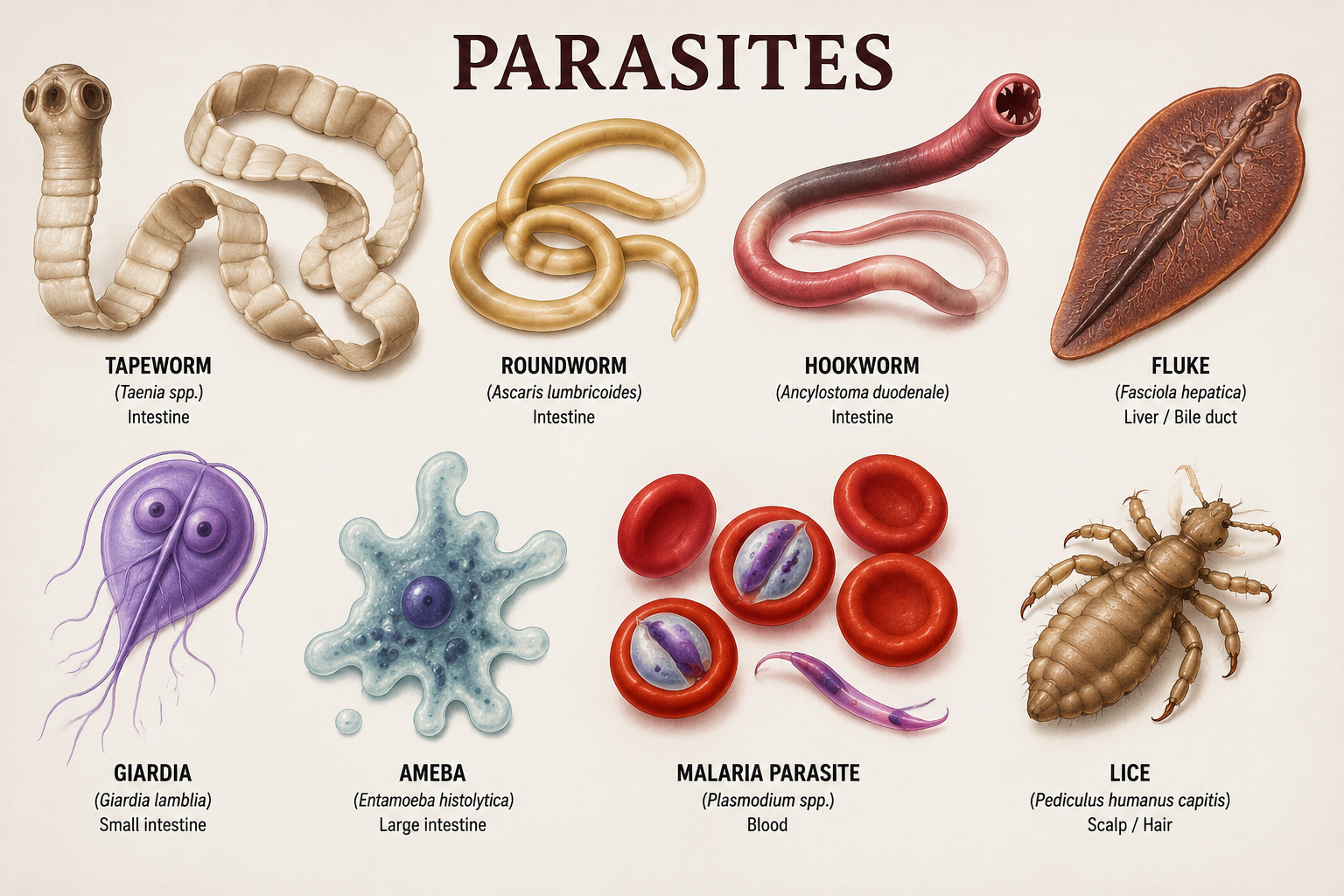

Two people have died in the United States after contracting Cyclosporiasis, marking the first known deaths linked to the country’s largest recorded outbreak of the disease.
Cyclosporiasis is an infection of the intestine caused by a parasite that thrives in human waste.
The deaths were recorded in Michigan, the state hardest hit by the outbreak.
Reuters reported on Monday that the state health authorities said both patients had serious underlying medical conditions that may have been worsened by the infection and the severe dehydration associated with the illness.
The US Centres for Disease Control and Prevention (CDC) said it had confirmed 6,707 laboratory cases nationwide as of 28 July, alongside more than 11,500 suspected cases awaiting laboratory confirmation.

Michigan, the hardest-hit, has recorded 11,234 cases as of Monday, including 193 hospitalisations.
About Cyclosporiasis
Cyclosporiasis is an intestinal infection caused by the microscopic parasite known as Cyclospora cayetanensis.
According to the CDC, people become infected after eating food or drinking water contaminated with human faeces containing the parasite.
Although the disease is not usually life-threatening, it can cause severe illness in some people.
Symptoms include watery diarrhoea, nausea, stomach cramps, loss of appetite, fatigue, and dehydration.
The CDC notes that some infected people may not develop symptoms, while untreated infections can last for weeks or even months, with symptoms disappearing and returning over time.
Outbreak investigation
The US Food and Drug Administration (FDA) has linked part of the outbreak to iceberg lettuce supplied by Taylor Farms’ operations in central Mexico and served at Taco Bell restaurants.
The affected lettuce has since been recalled.
However, investigators believe the contaminated lettuce does not explain all reported infections and are examining whether other food sources may also be responsible.
Epidemiologists suspect that more than one outbreak may be occurring simultaneously.
READ ALSO: Mendicants, Social Parasites, and Our Rights As Human Beings, By Ifeanyi Uddin
Public health experts told Reuters that recent staffing and funding cuts across US health agencies may have slowed efforts to investigate and contain the outbreak.
Paul Bollyky, an infectious disease expert at Stanford Medicine, was quoted to have said that “Cyclospora is harder to track than many foodborne pathogens because, unlike bacteria, it cannot be grown in the lab or easily genome-mapped to trace an outbreak.”
Mr Bollyky warned that reduced staffing in public health departments could make outbreaks more difficult to investigate and control.
He said the scale of the outbreak raises broader questions about the safety of the US food supply.
“Anytime you have over 10,000 people infected with a foodborne pathogen, you do have to wonder whether this is a canary in the coal mine.”
Discover more from Premium Times Nigeria
Subscribe to get the latest posts sent to your email.
Health
Fidson, Nigeria’s largest pharmaceutical company, delivers N3.6 billion dividend to shareholders
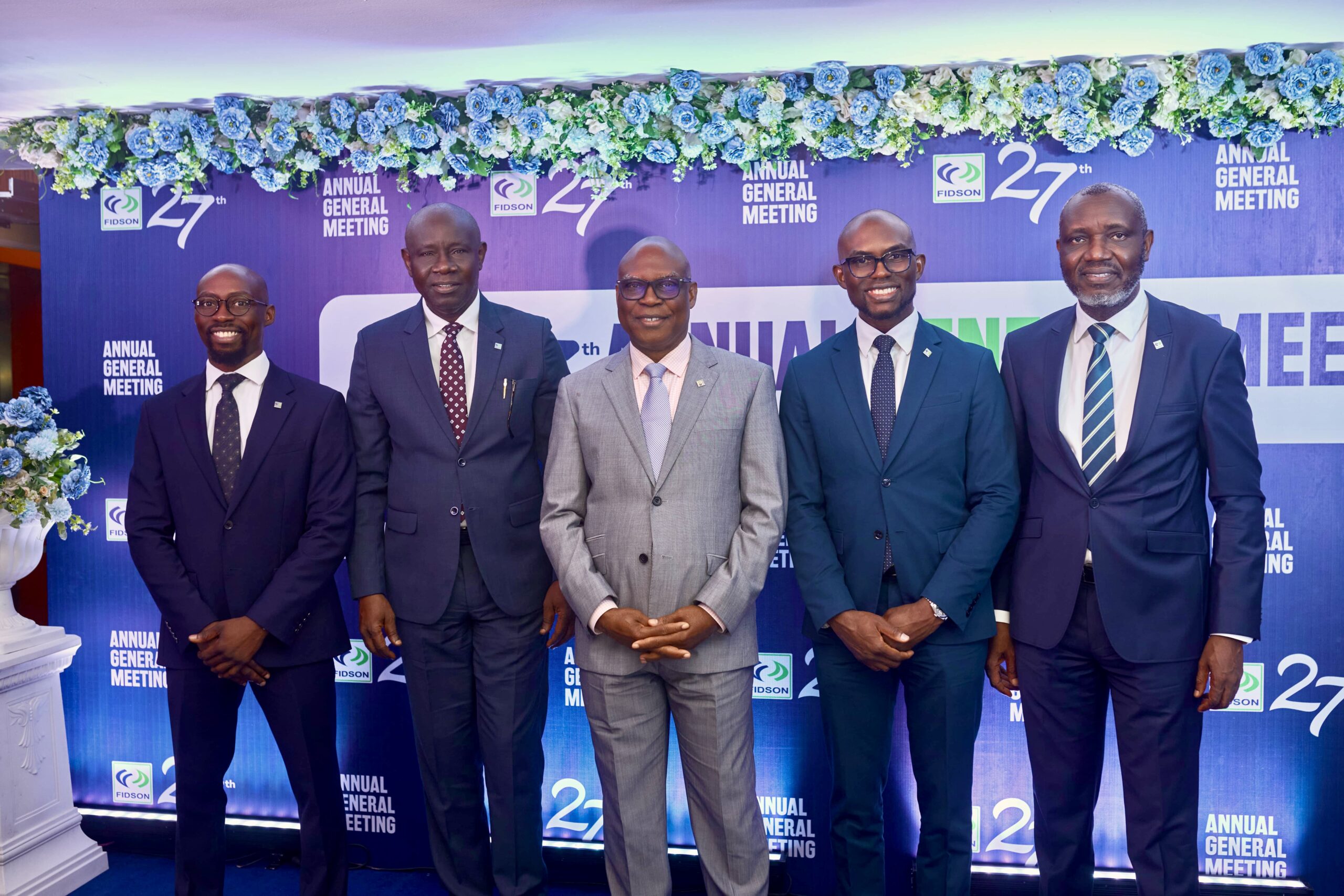
Shareholders of the largest pharmaceutical company in Nigeria, Fidson Healthcare Plc, approved a dividend of ₦1.50 per 50 kobo ordinary share, amounting to ₦3.6 billion, at the Company’s 27th Annual General Meeting held virtually on Thursday, 30 July.
The approval comes against the backdrop of a year in which the company achieved key milestones in its growth trajectory. It also coincides with the one-year anniversary of the smooth transition of leadership at both the Board and Management level — a transition shareholders acknowledged as a testament to Fidson’s strong corporate governance culture and succession planning. It also reflects shareholders’ confidence in the Company’s continued ability to deliver sustainable value despite a challenging operating environment.
The Founder and Chairman of Fidson, Fidelis Ayebae, in his address to shareholders, said 2025 marked a defining year in the history of the Company.
“We recorded revenue of ₦119.06 billion, becoming the first pharmaceutical company in Nigeria to surpass the ₦100 billion annual revenue milestone. This achievement reflects the dedication of our people, the confidence of our shareholders, and the effectiveness of our long-term growth strategy.”
Also recognising critical enablers of the business, Mr Ayebae expressed his profound gratitude to the Federal Government of Nigeria for improving the operating environment for local pharmaceutical manufacturers through strategic policies that have strengthened the ability of industry players like Fidson to meet the high demand for pharmaceutical products at affordable prices for Nigerians.

Mr Ayebae added that, beyond financial performance, the Company continued to make strategic investments that will shape the future of healthcare manufacturing in Africa. He said:
“Our ongoing expansion projects have reached advanced stages and, upon completion, will position Fidson as the largest and most sophisticated pharmaceutical manufacturing company in Sub-Saharan Africa. We are confident that Fidson is well-positioned to deliver sustainable growth, deepen healthcare access, and continue to create superior value for our shareholders and all stakeholders.”
Responding to questions and comments from shareholders, the Managing Director/Chief Executive Officer, Biola Adebayo, reaffirmed the Company’s commitment to sustaining growth through innovation, manufacturing excellence, and strategic investments.
“Our focus remains clear—to deepen our manufacturing capabilities, widen our product portfolio, improve market penetration, and build a healthcare institution that delivers value to consumers, healthcare professionals, shareholders, and society at large. We will achieve this by leveraging emerging opportunities across Africa and continually strengthening our processes for sustainable growth.”

Shareholders who spoke during the meeting commended the Board and Management for maintaining the Company’s growth trajectory and a dividend policy that rewards investors while preserving adequate resources for future expansion. They also expressed confidence in the management’s ability to build on existing achievements and further strengthen Fidson’s position as the leading pharmaceutical manufacturing company in Nigeria.
In addition to approving the dividend, shareholders considered and approved the resolutions presented at the AGM, including the election and re-election of directors, authorisation to fix auditors’ remuneration, and the election of members of the Statutory Audit Committee, further reinforcing the Company’s commitment to transparency, accountability, and sound corporate governance.
The meeting also highlighted Fidson’s continued commitment to accessible shareholder engagement through the use of electronic annual reports, e-dividend platforms, and virtual AGM participation, enabling shareholders to participate more conveniently in the affairs of the Company.
As Fidson Healthcare Plc moves into a new phase of growth, the Company remains committed to its vision of adding value to lives through quality pharmaceutical products while delivering sustainable returns to shareholders and contributing meaningfully to the development of Africa’s healthcare ecosystem.
Discover more from Premium Times Nigeria
Subscribe to get the latest posts sent to your email.
-

 Entertainment2 days ago
Big Chinni Thrills Audience as NASCO Cornflakes Powers Mr & Miss UNIJOS 2026
-
News4 days ago
OpenAI reportedly finds evidence that more of its agents ran amok
-
News2 days ago
The fourth edition of Jasper Fiton Football Tournament Begins in Bokkos, Unites 45 Teams for Peace and Talent Discovery
-
News3 days ago
2027: ‘You’re biased’ – PDP accuses INEC of helping APC weaken opposition