Business
Universal Insurance Reaffirms Reliability with ₦1.35bn Q2 Claims Payout

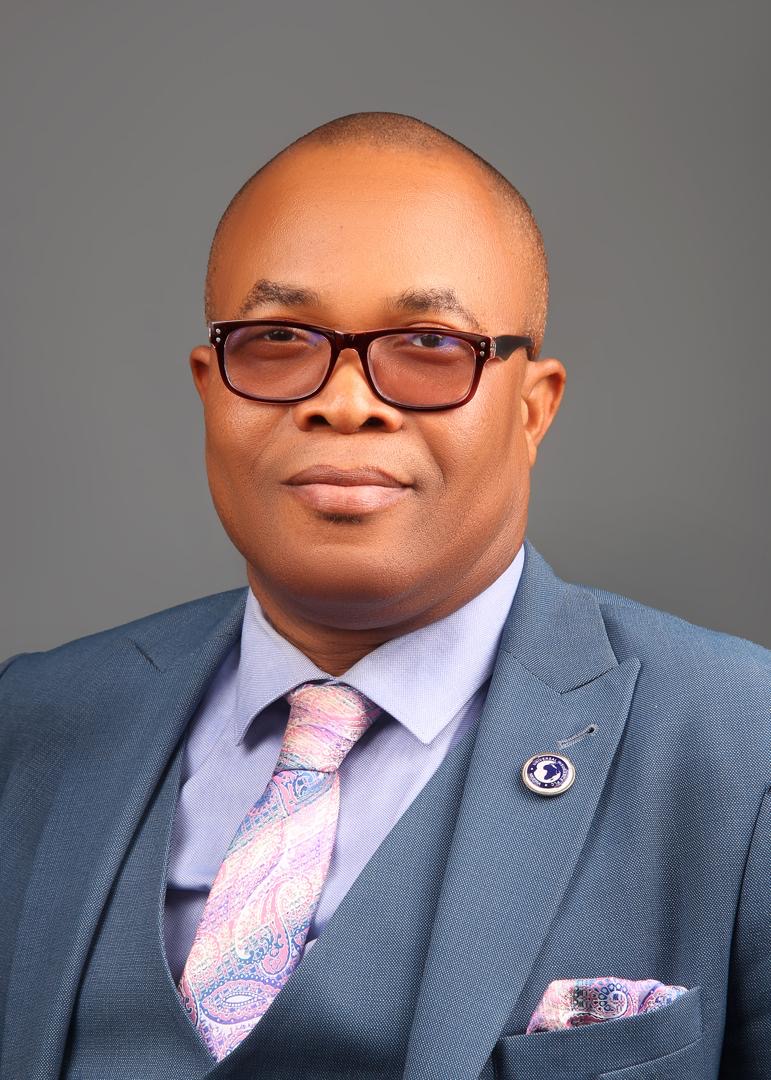
Universal Insurance Plc, Nigeria’s top underwriter, said it has paid a total of ₦1.35billion in claims during the second quarter of 2026.
This milestone according to the company highlights its ongoing commitment to customer satisfaction and the prompt settlement of genuine claims across its diverse business lines.
Tge company noted that theu claims were paid across key portfolios, including Agriculture, Aviation, Bond, Engineering, Fire, General Accident, Marine, Motor, Oil & Gas, and Special Risk insurance, demonstrating the company’s capacity to support its policyholders when they need it most.
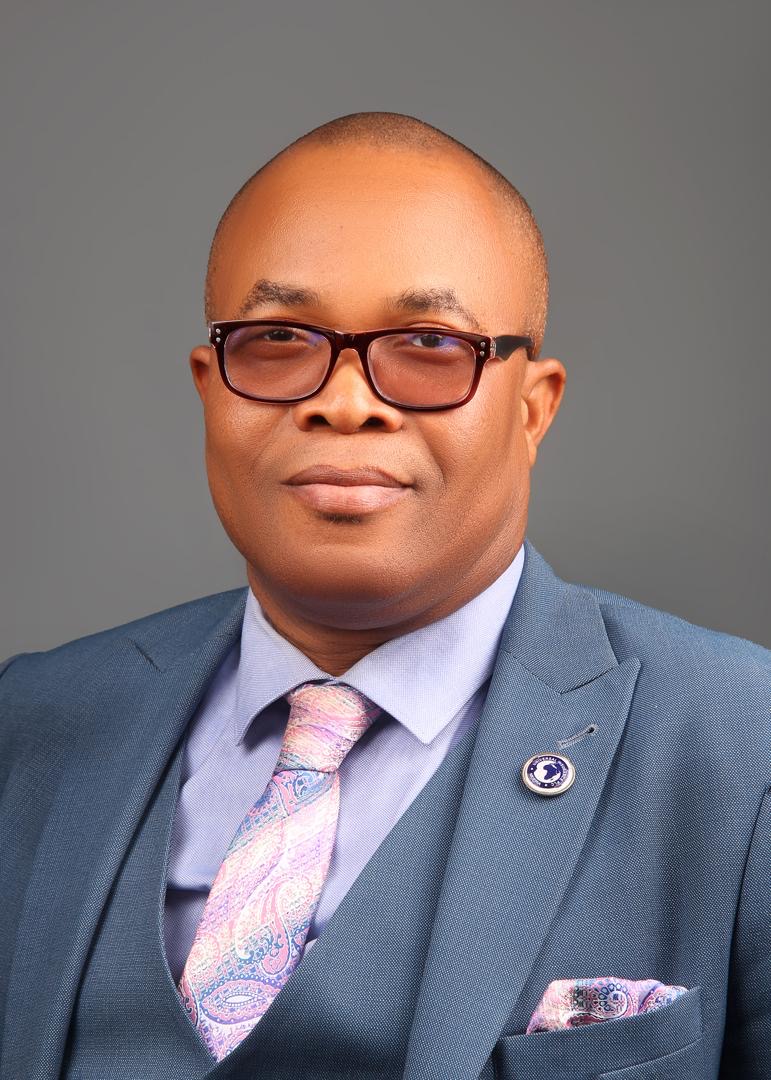
Speaking on the performance, the Managing Director and Chief Executive Officer of Universal Insurance Plc, Dr. Jeff Duru, noted that the impressive claims payout reflects the company’s financial strength, operational efficiency, and customer-centric philosophy.
“At Universal Insurance Plc, our customers remain at the heart of everything we do. Insurance is built on trust, and nothing demonstrates that trust more than our ability to honour genuine claims promptly. The payment of over ₦1.35 billion in claims within the second quarter of year 2026 is a clear testament to our unwavering commitment to standing by our policyholders in their moments of need.”
He emphasized that prompt claims settlement remains a core strategic priority for the company as it seeks to strengthen trust in the insurance industry and deliver exceptional service to individuals, businesses, and corporate organizations.
The insurer added that every genuine claim is processed with professionalism, transparency, and urgency to ensure minimal disruption to the businesses and daily lives of its clients.
As it deepens its market presence, Universal Insurance Plc plans to continue developing innovative products, leveraging technology for faster service delivery, and maintaining high standards of corporate governance to protect the lives, businesses, and investments of its clients.
The post Universal Insurance Reaffirms Reliability with ₦1.35bn Q2 Claims Payout appeared first on Business Today NG.


The Federal Government has rejected calls for the return of petrol subsidy, warning that subsidising fuel could cost the country more than N20 trillion annually and ultimately make petrol more expensive.
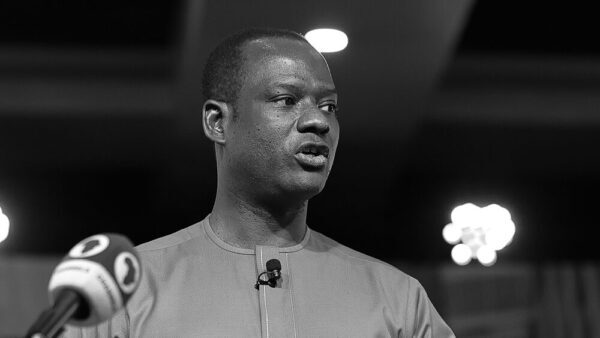
The Minister of Finance and Coordinating Minister of the Economy, Taiwo Oyedele, disclosed this on Thursday during a press briefing in Abuja on rising petrol prices and the subsidy debate.
Mr Oyedele said Nigeria consumes about 50 million litres of petrol daily, meaning that returning petrol to its pre-2023 reform price would cost more than N20 trillion every year.
He said even a proposal to sell petrol at N500 per litre would cost the government more than N16 trillion annually, before accounting for increased consumption and smuggling.
“Amounts of that size are nearly everything the Federation Account shared among all three tiers of government in 2025,” Mr Oyedele said.
He warned that funding such a subsidy would come at the expense of other government responsibilities, including salaries, pensions, schools, hospitals and security.


The minister’s comment comes amid renewed calls for the reintroduction of fuel subsidy, with the issue increasingly featuring in political debates ahead of the 2027 general elections.
‘Subsidy could push petrol to N2,000 per litre’
According to the minister, a return to subsidy could weaken government revenues, trigger a sovereign credit downgrade, increase borrowing costs and put pressure on foreign reserves and the naira.
The government estimates that the exchange rate could approach N3,000 to the dollar within months if subsidy is restored.
Mr Oyedele said this could push the price of so-called subsidised petrol to at least ₦2,000 per litre, significantly above the current average of about ₦1,400.
“A subsidy does not lower the cost of fuel. It only changes how it is paid, and when,” he said.
He argued that crude oil, freight and refining inputs are largely priced in dollars, meaning that forcing down the naira price of petrol would effectively require the government to subsidise foreign exchange.
‘Production subsidy’ is consumption subsidy
The minister also rejected descriptions of a proposed subsidy for locally refined petrol as a “production subsidy”.
He said a genuine production subsidy would support producers who could not compete at market prices, whereas the proposal being discussed would amount to providing discounted crude that would eventually be passed on to consumers at the pump.
“This is different, it is a discount on crude, passed through to the pump. That is a consumption subsidy by another route, with the same bill attached,” he said.
Mr Oyedele said subsidised fuel would also increase the price differential between Nigeria and neighbouring countries, potentially encouraging smuggling and effectively making Nigerian taxpayers subsidise motorists in other countries.
N15.8trn saved from subsidy removal
The minister defended the 2023 removal of petrol subsidy, saying it had released N15.8 trillion to the Federation Account between June 2023 and December 2025.
Of that amount, N10.4 trillion went to states and local governments, he said.
Mr Oyedele said 27 states could not reliably pay salaries in May 2023, but that none was in that position at the time of the briefing.
At the federal level, he said about two-thirds of the subsidy savings, combined with additional independent revenue and borrowing, had been used for spending that directly benefited Nigerians through higher wages, infrastructure, electricity subsidy and social transfers.
The remaining funds, he said, were used to stabilise the economy, particularly as the cost of servicing debt increased due to higher interest rates introduced to tackle inflation.
Government rejects blanket subsidy
Mr Oyedele said the government had instead used tax and duty waivers, local refining, naira-for-crude arrangements, exchange-rate stabilisation and CNG deployment to moderate fuel costs.
He said the government had granted a full waiver of taxes and duties on petrol worth more than N3.3 trillion for the year to 30 September 2026.
He added that the government would continue to consider targeted relief rather than a blanket subsidy.
Among the new measures are a 30-day discount on petrol sold at NNPC stations, a proposed N1,350 ceiling on the ex-gantry or landing cost of petrol, additional cash transfers, subsidised credit and faster CNG deployment.
READ ALSO: NNPCL: Accounting for fuel subsidy, By Uddin Ifeanyi
The government is also considering an excess profit tax on energy operators, with proceeds earmarked for measures to cushion vulnerable consumers.
Mr Oyedele said the government would not reverse the subsidy reform, arguing that doing so would expose Nigeria to the same cycle of fuel scarcity, smuggling, currency weakness and fiscal pressure experienced in the past.
“Our task is not to reverse a necessary reform designed to set our country on the path towards sustained prosperity,” he said. “It is to make sure its gains reach more Nigerians, more quickly and in more tangible ways.”
Discover more from Premium Times Nigeria
Subscribe to get the latest posts sent to your email.
Moove, a global mobility company, on Thursday announced that it will conclude its operations in Nigeria, six years after the company was founded in Lagos.
“The company does so with deep gratitude to the customers, team members, partners and communities who gave Moove its start,” a statement said Thursday.
Moove was founded in 2020 by Ladi Delano and Jide Odunsi after they saw that many gig workers in Nigeria wanted to earn through mobility but could not access the vehicle financing they needed.
The company began with 76 vehicles in Lagos and developed its Rental & Drive-to-Own model to give mobility entrepreneurs access to new vehicles and a pathway to ownership.
What Moove built in Lagos became the foundation for a business that today operates 42,000 vehicles across 29 cities globally.
Since its inception, Moove has served more than 9,000 customers across both its Drive-to-Own and rental products, helping customers generate approximately ₦57 billion in revenue, supporting livelihoods, families and businesses across Nigeria.
As Moove concludes its Nigerian operations, the company said eligible vehicles with an estimated total value of approximately ₦35 billion will pass into full ownership of the customers who currently operate them, with no payment to Moove required for the vehicles themselves from 1 October 2026.
Moove will also reward all staff members with a free car as a sign of appreciation, the statement said.
The ‘Thank You Nigeria’ initiative is Moove’s way of recognising the customers, employees and wider community whose trust, skill and support shaped the company from its earliest days, it added.
Ladi Delano, Co-Founder, Co-CEO and Advisory Board Chairman of Moove, said:
“Nigeria is where Moove began, and everything we have built since carries something of Lagos with it. Jide and I started the company because talented, hardworking mobility entrepreneurs wanted the opportunity to earn, but could not get access to the vehicles and finance they needed. Our first customers trusted us when Moove was still an idea, and that trust made everything that followed possible and for that we “thank you”.
“More than 9,000 customers have used our Drive-to-Own and rental products in Nigeria.
Their work generated approximately ₦57 billion in revenue through Moove-financed
vehicles. Those numbers matter because they represent people earning, supporting their families and building their own futures.
“This is an emotional moment for us. Nigeria gave Moove its beginning, its first customers and many of the people who built the foundations of our company.”
READ ALSO: Moove secures $100 million in series B funding
The cofounder explained that eligible vehicles worth approximately N35 billion will pass into full ownership of the customers who operate them, with no further payment to Moove required for the vehicles themselves.
“To our Nigerian team, thank you. Your commitment, resourcefulness and belief in the mission carried Moove through its earliest and most important years. You turned an idea that began in Lagos into a company that now operates across 29 cities globally. Jide and I will always be grateful for what you have built and for the way you have represented Moove,”he said.
“To our customers, thank you for partnering with us and realising our collective ambitions. To our partners, regulators and the wider community, thank you for supporting a young Nigerian company and helping it grow into a global business.
“Nigeria will always be where Moove started. As we continue to grow internationally, we will do everything we can to make Nigeria proud and to build a lasting global success story that never forgets where it began. Wherever Moove goes next, our story will always start in Lagos.”
Moove will work directly with affected customers and employees as it concludes its Nigerian operations and completes the transfer of eligible vehicles.
Discover more from Premium Times Nigeria
Subscribe to get the latest posts sent to your email.
-

 News4 days ago
2027: El-Rufai’s detention could hurt APC, generate sympathy – SEDSAC director, other analysts express views
-
News3 days ago
Lucid Motors’ EV output falls to lowest level in almost 2 years
-
Business4 days ago
NAIPE 11th Annual Conference Moves to 12 Noon as 28 Stakeholders Back Event
-
News3 days ago
Mirror Particle is building a ‘world model’ of human behavior