Health
SPECIAL REPORT: Insecurity exposes Zamfara communities to recurring cholera outbreaks

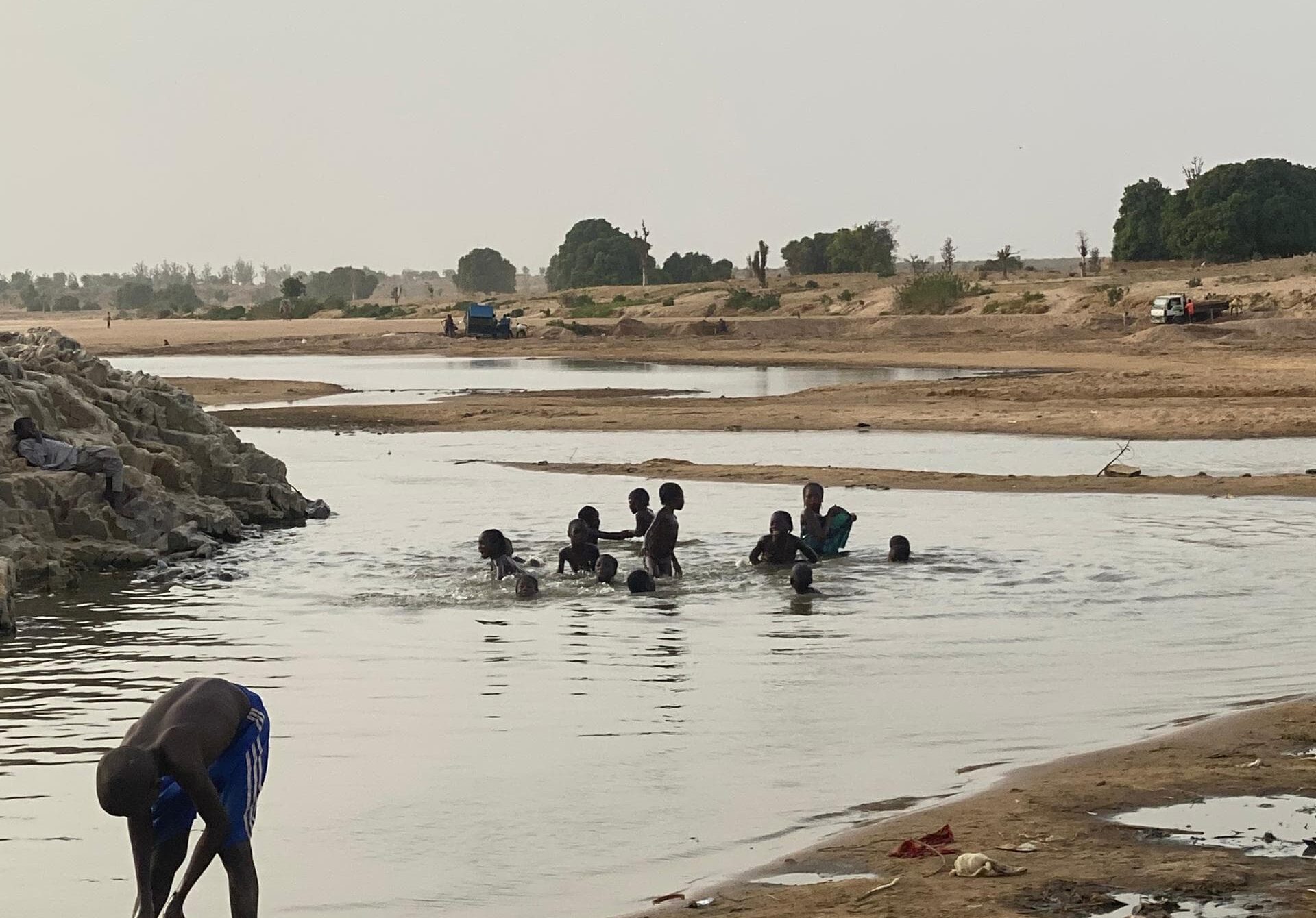
It started with a sharp pain in Musa Saidu’s stomach.
The 20-year-old initially thought little of it. But the pain was soon followed by fever, vomiting and frequent watery stools. Within hours, his condition had deteriorated.
This was August 2025, during a cholera outbreak in Bukkuyum Local Government Area of Zamfara State, where Mr Saidu and his family were living after fleeing their home in Dan Bago village following attacks by bandits.
Like thousands of people displaced by years of insecurity in the state, the family had already lost the stability of home. Now, as Mr Saidu became increasingly ill, they faced another problem: getting medical care.
His parents first tried what they could afford. They gave him some medicines and mixed a local herbal remedy with water, hoping his condition would improve. But it did not.
With the health facility serving their community no longer functional, the family eventually took Musa to the Orphan and Less Privileged Clinic (OLPC) in Bukkuyum town, where he was diagnosed with cholera.


But reaching a health facility did not immediately end their difficulties.
The clinic was struggling with an influx of cholera patients. Only three health workers were on duty, while essential medicines were unavailable.
Many residents affected by the outbreak were brought to the same facility, while some had to seek treatment elsewhere because of shortages of staff, medicines and space.
For displaced families such as Mr Saidu’s, the outbreak exposed a problem that went beyond cholera.

Years of insecurity have displaced many communities across Zamfara, forced health workers away from some rural areas and disrupted access to healthcare, safe water and disease surveillance. These are services that become particularly important during an outbreak of a disease that can kill within hours if severe dehydration is not treated.
When insecurity becomes a health crisis
Zamfara is one of the states hardest hit by the insecurity that has spread across north-western Nigeria over the past decade.
What began largely as cattle rustling has evolved into organised violence by armed groups commonly referred to as bandits. Communities have been attacked, residents killed or abducted and thousands forced from their homes.
The armed groups have also imposed levies on some farming communities, stolen livestock and harvests and carried out kidnappings for ransom.
Data obtained from the Mass Atrocities Tracker show that 28,974 people were killed across Nigeria between 2021 and 2025. Borno recorded the highest number, with 4,539 deaths, followed by Zamfara with 3,936 and Kaduna with 2,811.
Zamfara recorded the highest number of abductions during the same period, with 5,447 people kidnapped. Kaduna recorded 4,050 and Niger 3,331.
But deaths, abductions and displacement are only some of the consequences.
In Bukkuyum LGA, residents and health workers told The ICIR that insecurity has also weakened access to healthcare. Some communities have been deserted, while health workers have stopped providing services in areas they consider unsafe.
Reports in 2025 indicated that only about 200 of Zamfara’s more than 700 Primary Healthcare Centres (PHCs) were functional, with persistent insecurity blamed for the closure or abandonment of many facilities.
For residents of affected rural communities, the closures mean illness can require travelling several kilometres, sometimes through unsafe areas, before reaching a health worker.
For people displaced by violence, the risks are compounded by overcrowding, poor sanitation, poverty and limited access to safe water.
During a cholera outbreak, those conditions can become deadly.
Displaced, then confronted by cholera
Buba Muhammad had already fled his home in Sadawa with his family because of repeated bandit attacks when his son began vomiting and passing frequent watery stools.

The 40-year-old farmer and his family were living as displaced persons in Bukkuyum, where several families shared limited space and sanitation facilities.
Mr Muhammad immediately tried to find medical help.
There was no functioning health facility close to where they were staying.
“My first attempt when my son was affected was to go to a hospital, but there was no facility nearby,” he said. “I had to take him to a medicine shop.”
The medicines he obtained there did little to improve the boy’s condition.
As the vomiting and diarrhoea continued, Mr Muhammad decided to take him to General Hospital Bukkuyum, the nearest facility where he believed the child could receive appropriate treatment.
But another problem awaited them.
The hospital was struggling with patients arriving from communities affected by the outbreak.
“We didn’t receive the proper care we expected immediately because there were not enough staff,” he recalled.
“There was no bed space. We even kept our patient on the floor before a staff member later found us a bed.”
The illness also placed a financial burden on a family already displaced by insecurity.
Mr Muhammad said they spent heavily on transportation and medicines, including drugs they had to buy outside the hospital after receiving prescriptions.
“The only solution to ease the hardship of such unwanted incidents or outbreaks is to provide facilities in our local communities,” he said.
But he said restoring healthcare without addressing insecurity would leave another part of the problem unresolved.
“We need security in our locations because we are not safe; there are attacks every day and night in our locations. The government needs to double its efforts to end the problem.”
A preventable disease finds fertile ground
Cholera is an acute diarrhoeal disease caused by consuming food or water contaminated with the bacterium Vibrio cholerae. Without prompt treatment, severe cases can lead to rapid dehydration and death.
It is also largely preventable through access to safe water, adequate sanitation and good hygiene, while prompt administration of oral rehydration solution and other appropriate treatment can substantially reduce deaths.
Yet cholera has repeatedly affected communities in Zamfara State.
In 2023, a World Health Organisation (WHO) report recorded 907 suspected cholera cases in the state, representing about 28 per cent of Nigeria’s suspected cases during the period covered.
The state was affected again in 2024. WHO reported more than 700 cases and over 30 deaths across Zamfara and neighbouring Sokoto during the period covered by its report.
By 9 July 2025, Zamfara had recorded 1,619 suspected cases, six confirmed cases and 31 deaths across 12 of its 14 local government areas, according to a UNICEF situation report.
UNICEF said suspected cases increased by 30 per cent within one week, with children and young people accounting for 62 per cent of reported cases.
The crisis continued.
In August 2025, an outbreak in communities in Bukkuyum LGA killed at least eight people and affected more than 200 across 11 communities, according to residents and local officials cited by Reuters.
For residents already dealing with displacement, unsafe water and weakened healthcare services, the outbreak exposed how insecurity can magnify an otherwise preventable public health emergency.

The Nigeria Centre for Disease Control and Prevention (NCDC) identifies unsafe water, inadequate sanitation and poor hygiene as major factors driving cholera transmission.
In parts of Bukkuyum LGA, insecurity has made addressing those risks more difficult. Residents have been displaced into congested settlements, some health facilities are non-functional, and health workers say reaching remote communities for surveillance and other services can be dangerous.
For some patients, simply reaching treatment presents another risk.
For rural residents, treatment can mean a dangerous journey
In Masu community, Salihu Bello returned home one afternoon to find his two sisters seriously ill.

“They had stomach pain, and became very weak,” he recalled. “Later we realised it was cholera.”
With no health facility in the community, the family initially relied on local remedies.
But the sisters’ condition continued to worsen. Seeking treatment meant undertaking a difficult journey to Bukkuyum town. Before reaching the town, they had to cross a river, a challenge that has become even more dangerous since insecurity forced many healthcare workers to stop visiting remote communities.
“Sometimes health workers used to come to our community, but because of security problems they stopped,” Mr Bello said.
As night fell, the family began the trip. Fear of bandits lingered throughout the journey, but Mr Bello said concern for his sisters outweighed every other worry.
“At that moment, we were not thinking about insecurity. We only wanted to save them. It took about three hours before we received attention because we arrived very late at night,” he said.
When a health worker eventually prescribed medicines, he had to wake a medicine vendor before dawn to obtain them.
His sisters remained under observation for about 24 hours before their conditions improved.
For Mr Bello, the experience showed the cost of having no functioning healthcare facility nearby.
“If we have a health facility in our community, things will be easier, considering how quickly the disease can affect the human body,” he said.
“Before a patient from our community gets to the hospital, they suffer a lot. Having our own health facility would make access to treatment much easier.”
But the health facility is only part of what residents say they need.
In Masu and other communities around Bukkuyum, preventing cholera begins with something even more basic: clean water.
Unsafe water keeps the risk alive
In communities around Bukkuyum, residents said access to clean water remains a major challenge.
Some depend on streams for drinking, cooking and other household needs. In Dan Bago, residents said people and cattle sometimes rely on the same water sources.
For a community already vulnerable to cholera, such conditions increase the risk of transmission.
Nigeria’s 2021 Water, Sanitation and Hygiene National Outcome Routine Mapping (WASHNORM) report highlighted the scale of the country’s water and sanitation challenge.
The report, based on a survey of more than 24,600 households, estimated that approximately 179 million Nigerians, about 87 per cent of the population, lacked access to safely managed drinking-water services.
The situation was particularly difficult in northern Nigeria. The Northeast had the lowest access rate at just two per cent, compared with 29 per cent in the Southwest.
Although 67 per cent of the population had access to basic water supply services, about a quarter of Nigerians still relied on unimproved or surface water sources.
Muhammadu Sadawa, a community leader, said insecurity has made the situation worse by forcing residents from their homes and concentrating displaced families in already strained settlements.
“Another major challenge we have in our community now is insecurity,” he said. “Most of our people left the community because of banditry. Where we are now living is too congested and very dirty. That congestion helped the disease spread among us.”
Mr Sadawa said access to healthcare had also deteriorated.
Although there is a health facility in his community, he said it is no longer functional.
“We have a facility, but it is not in existence. There are no staff, no drugs. The building is dilapidated and almost collapsing,” he said.
During the cholera outbreak, residents therefore had to look elsewhere for treatment.
He said some families struggled to obtain care before outside assistance arrived, while others faced delays because of distance and the cost of treatment.
“Many people died, and it took a long time before we received any intervention. Some people were treated, some were not. I have a relative who spent over N50,000 on treatment. Many families went through the same thing,” he said.
For critically ill residents, reaching another health facility can itself be difficult.
Mr Sadawa said residents must cross a river to reach Bukkuyum town, where they can get more comprehensive medical care.
“When someone is sick, we have to cross a river before reaching the hospital. We need the facility renovated, and we also need a bridge or canoes to help us cross,” he said.
He estimated that more than 50 people in and around his community were affected during the outbreak, with some becoming ill in displacement settlements before being taken to Bukkuyum town for treatment.
Health workers struggle to reach vulnerable communities
At General Hospital Bukkuyum, Abdullahi Salihu remembers the pressure as cholera patients arrived from communities across the local government area.
“At the time of the outbreak, it was very tense and hectic considering how patients were being brought to the hospital,” he said.
“Some survived, some were quarantined, and unfortunately some died.”
According to Mr Salihu, insecurity complicated the response.
Patients who could leave affected communities were brought to the hospital. But health workers had limited options for people trapped in settlements that were difficult or unsafe to reach.
“As health workers, we faced a lot of challenges because of insecurity,” he said.
“Some people managed to bring patients from their communities because they had no other option. But for those who could not come out, there was little we could do for them.”
Mr Salihu said government officials, politicians and humanitarian organisations provided intravenous fluids, antibiotics, rehydration supplies and other support during the outbreak.
But insecurity was not the only challenge.
Many of the patients were displaced people who had lost livelihoods and struggled to afford transportation, food and other necessities.
“Most of them were displaced from their communities with nothing to eat,” he said. “Then the outbreak added another difficulty to their lives.”
Zaharadeen Abdullahi, a health worker at the Women and Children Welfare Clinic in Bukkuyum, also described insecurity as a major obstacle to preventing and responding to outbreaks.

“Insecurity is a major contributing factor to outbreaks like this,” he said.
“We have services, vaccinations and awareness programmes, but because of security challenges many health workers cannot reach vulnerable communities.”
Some affected settlements are more than 10 kilometres from health facilities, Mr Abdullahi said. In some areas, insecurity has also limited the transportation options residents can use.
“Some communities cannot use motorcycles because of security threats,” he said. “People have to walk long distances or use donkeys. Because cholera requires urgent treatment, these delays can lead to deaths.”
He said displacement had created additional risks.
“Most of the affected people are internally displaced persons living in congested conditions,” Mr Abdullahi said. “Many rely on unsafe water sources, and stagnant water is still being used for drinking and household activities.”
He acknowledged support from the Zamfara State government, UNICEF and other organisations during the outbreak but said greater investment was needed in health facilities, medical supplies and outreach to vulnerable communities.
Insecurity weakens disease surveillance
Shakir Balogun, an epidemiologist, said recurring cholera outbreaks in conflict-affected parts of Zamfara should not be viewed simply as a disease problem.

He said they also expose weaknesses in healthcare access and disease surveillance created or worsened by years of insecurity.
Mr Balogun said insecurity had affected the health system’s ability to reach some communities even before recent cholera outbreaks.
“When insecurity makes communities difficult to reach, children can be missed by immunisation programmes, cases of Acute Flaccid Paralysis (AFP) can escape surveillance, and cases of acute watery diarrhoea can similarly go undetected or reach treatment late,” he said.
“The pathogen changes; the health-system vulnerability does not.”
Mr Balogun said these weaknesses became particularly evident during the 2025 cholera outbreak.
According to him, the African Field Epidemiology Network (AFENET), with technical and financial support from the US Centres for Disease Control and Prevention, deployed eight Field Epidemiology Training Programme residents and a graduate to support Zamfara’s response between 11 September and 2 October 2025.
The team worked with state authorities in four high-burden local government areas.
ALSO READ: WHO, EU launch health support project as Nigeria battles multiple disease outbreaks
Mr Balogun said the response identified cases in inaccessible and insecure settlements. It also identified under-reporting linked partly to weak active case searches and insecurity, as well as delayed reporting and incomplete records.
Other challenges included transporting stool samples to the state reference laboratory, shortages of essential supplies outside initially prioritised LGAs and inadequate personnel in some health facilities.
The findings suggest that insecurity can affect almost every stage of outbreak control, from identifying a sick person and reporting a suspected case to testing samples and getting treatment to patients.
Mr Balogun said strengthening community-based surveillance could help close some of those gaps.
Trusted residents and community structures, he said, can help identify and report suspected cases when conventional health teams cannot safely reach affected settlements.
Treatment also needs to be brought closer to vulnerable communities.
“If insecurity means a severely ill patient has to travel several hours or cross an unsafe area before receiving ORS or intravenous fluids, geographical access itself becomes a determinant of survival,” he said.
He recommended establishing oral rehydration points and treatment units close to vulnerable communities, backed by reliable referral systems for patients who develop severe disease.
Authorities should also use surveillance and previous outbreak data to identify communities repeatedly affected by cholera and position essential supplies there before outbreaks escalate, he said.
“You do not want to begin moving ORS, IV fluids, chlorine and other essential supplies into a hard-to-reach community only after an outbreak has accelerated,” Mr Balogun said.
“We should use surveillance and historical data to identify recurrent hotspots and position supplies before the rainy season.”
Treatment alone will not stop recurring outbreaks
Bringing treatment closer to affected communities could save lives, but Mr Balogun said it would not eliminate the conditions that allow cholera to return.
He said safe water and sanitation remain fundamental.
Vaccination and effective case management can reduce infections and deaths during outbreaks, he said, but communities will remain vulnerable if they continue to depend on unsafe water and inadequate sanitation.
Mr Balogun recommended strategic use of oral cholera vaccines among high-risk populations and in communities with recurring outbreaks, particularly where insecurity makes immediate improvements to water and sanitation infrastructure difficult.
But he cautioned against treating vaccination as a replacement for those investments.
“Vaccination is an additional layer of protection, not a substitute for water, sanitation, surveillance and access to treatment,” he said.
Government turns to community-based response
The Zamfara State government said it has adopted community-based measures to maintain disease surveillance and provide basic cholera support in areas where insecurity makes conventional healthcare difficult.
The state Ministry of Health, working with the World Health Organisation (WHO) and other partners, has also begun developing a Multi-Hazard Incident Action Plan to strengthen preparedness and response to public health emergencies, including cholera.
Ahmad Muhammad, the Zamfara State epidemiologist, acknowledged the difficulty of reaching communities affected by insecurity.

He said one strategy has been to identify community health workers from insecure areas, bring them to safer locations for training and then send them back to support residents.
“We train them, particularly the community health workers there. So we train them and then allow them to go back to their community and support them,” he said.
Mr Muhammad said trained workers are provided with available medical supplies and asked to report suspected cases so health officials can track whether infections are increasing or declining.
He said the approach forms part of the state’s risk communication and community engagement strategy, under which people with health-related roles in affected communities are trained to support local outbreak response.
Patients who can safely be evacuated are moved to accessible areas for further treatment, including general hospitals and the treatment centre at the Infectious Disease Hospital in Gusau, he said.
He attributed the state’s reduced cholera burden this year, compared with the previous year, to interventions including community sensitisation, improved hygiene, and oral cholera vaccination.
“Community sensitisation and improvement of hygiene, oral cholera vaccination campaign last time. The burden of the disease has reduced this year compared to last year,” he said.
He said the government had also intensified water, sanitation and hygiene interventions, including measures aimed at reducing open defecation.
“So I think those strategies have really gone a long way in mitigating the impact,” he said.
But for residents of communities where health facilities remain closed or poorly equipped and safe water remains difficult to obtain, the conditions that make cholera dangerous have not disappeared.
This reporting was supported by the Centre for Journalism Innovation and Development (CJID).
Discover more from Premium Times Nigeria
Subscribe to get the latest posts sent to your email.






The Plateau State Government has raised concerns over the growing burden of diabetes after recording 5,457 suspected new cases between January and September, highlighting the need for expanded screening and early diagnosis.
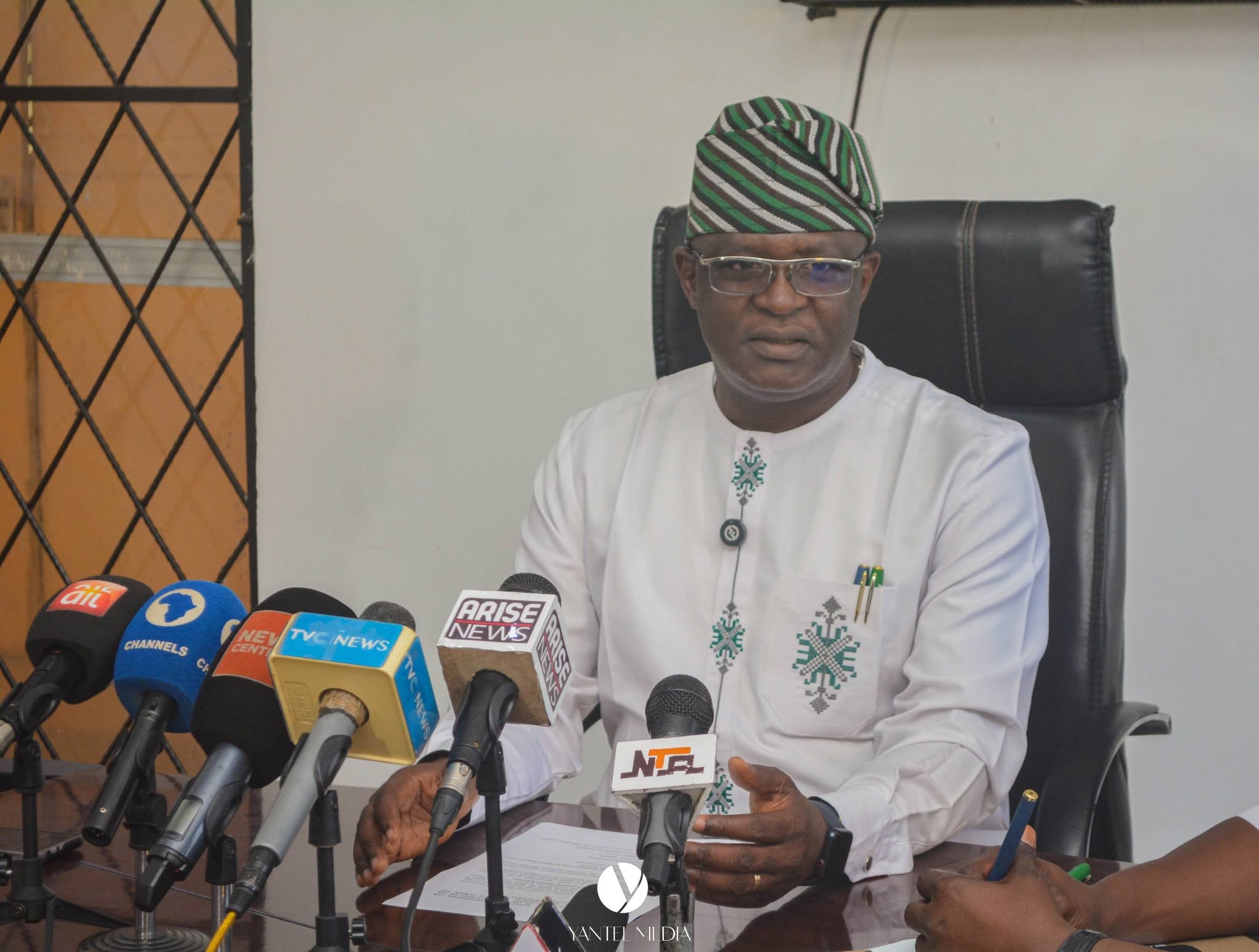
The figure, disclosed by the state Commissioner for Health, Nicholas Ba’amlong, on Monday in Jos, comes after the state recorded 5,546 suspected cases throughout 2025.
Speaking at a press briefing to commemorate the 2026 World Diabetes Day, Mr Ba’amlong said the figures represented suspected cases and not confirmed diagnoses, but warned that many residents could be living with the condition without knowing their health status.
“Diabetes remains a major public health concern because many people are living with the condition without knowing their status,” he said.
The commissioner also cited findings from the 2024 nationwide Know Your Number, Control Your Number screening campaign, which showed that 14,359 people were screened in Plateau State, with 2,610, representing about 18 per cent, recording elevated blood glucose levels.
He, however, cautioned against interpreting the findings as the prevalence of diabetes in the state, explaining that elevated blood glucose readings from a screening exercise did not amount to confirmed diagnoses.
“The findings highlight the need to expand access to screening, diagnosis and treatment, but they do not represent the prevalence of diabetes in the state,” he said.
As part of activities marking this year’s World Diabetes Day, the state Ministry of Health, in collaboration with the Plateau chapters of the Diabetes Association of Nigeria and the Endocrine and Metabolic Society of Nigeria, organised a free workplace screening exercise at the Joseph Gomwalk Secretariat Complex in Jos.
Mr Ba’amlong said the exercise targeted 1,000 civil servants and included blood glucose and blood pressure checks, weight and body mass index assessments, health education, counselling and referrals for further medical attention where necessary.
He said the government was working to expand diabetes awareness and screening services to underserved communities across the state’s 17 local government areas through primary healthcare facilities and community outreach programmes.
“The state government, under Governor Caleb Mutfwang, is working towards extending diabetes education and screening services to underserved communities across the 17 local government areas through existing primary healthcare facilities and community outreach programmes,” he said.
According to him, the government is also exploring partnerships and appropriate medical technologies to improve access to diagnostic services, particularly at the primary healthcare level, while strengthening follow-up and referral systems for people with elevated blood glucose levels.
ALSO READ: WHO raises alarm as 75% of diabetes cases in Africa remain undiagnosed
“Screening is only the beginning. Early detection must lead to appropriate diagnosis and treatment,” he added.
The commissioner urged residents, particularly those with a family history of diabetes, excess weight or high blood pressure, to undergo regular blood glucose checks and seek medical attention when necessary.
He also advised residents to adopt healthier lifestyles through balanced diets, regular physical activity and weight management, while avoiding tobacco and limiting alcohol consumption.
Mr Ba’amlong identified excessive thirst, frequent urination, unexplained weight loss and persistent fatigue as symptoms that could indicate diabetes.
He urged people already living with the condition to adhere to prescribed treatment and attend regular medical reviews to prevent complications.
World Diabetes Day is observed annually on 14 November to raise awareness about diabetes, promote prevention and improve access to quality care for people living with the condition.
Discover more from Premium Times Nigeria
Subscribe to get the latest posts sent to your email.
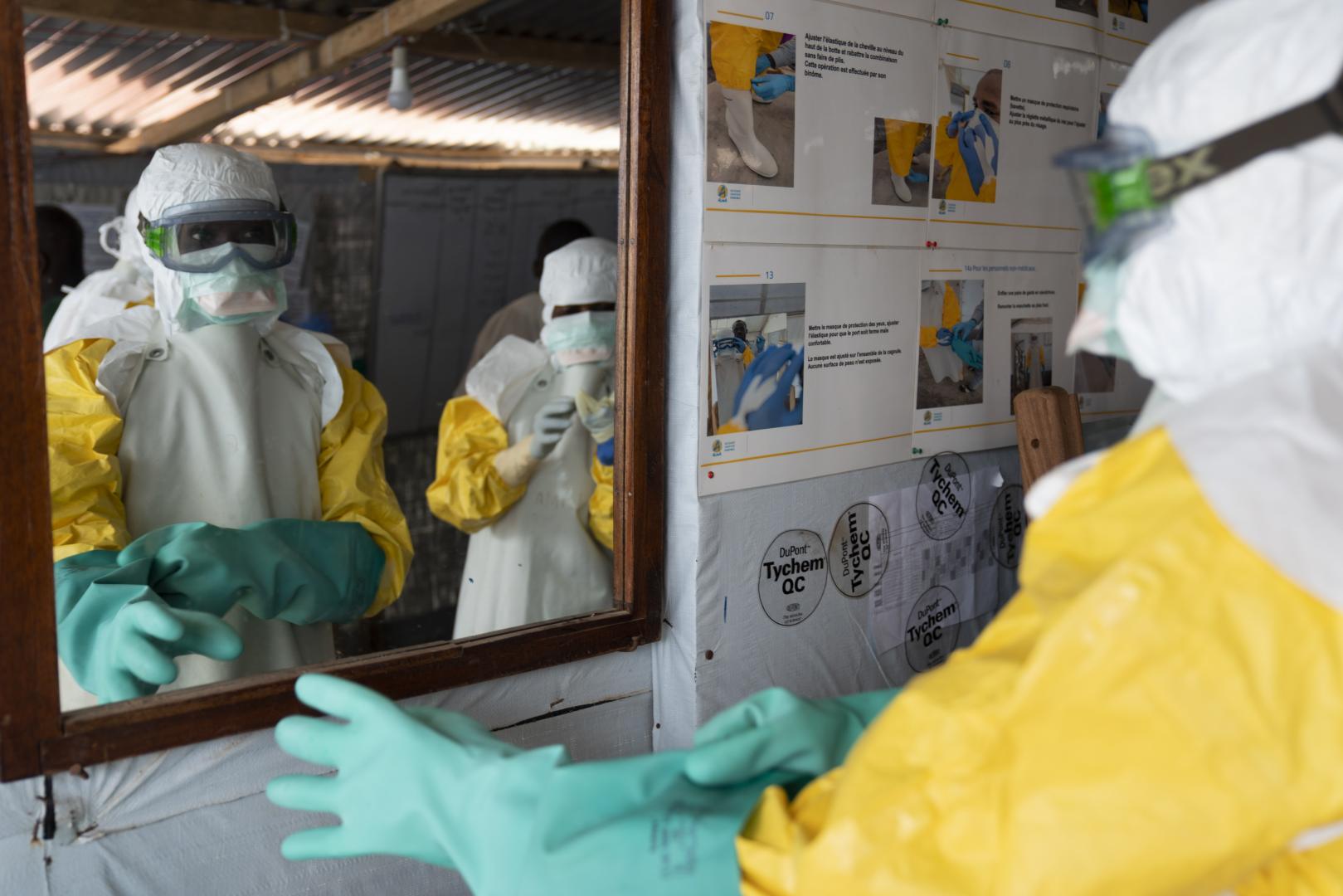
Insecurity has been identified as one of the “greatest obstacles” to containing the Ebola outbreak in the Democratic Republic of the Congo (DRC), where more than 11,000 cases and 5,400 deaths have been reported.
The World Health Organisation (WHO), in a news release published on 15 November, said attacks on health workers and facilities, displacement and difficulties reaching remote communities were disrupting efforts to contain the outbreak.
The outbreak, caused by the Bundibugyo virus, has spread to 67 health zones across eight provinces, with between 400 and 500 new cases reported weekly.
“Children account for more than a quarter of confirmed cases and one third of deaths. Seven in 10 children under five with confirmed Ebola have died,” it noted.
Attack on healthcare
According to the WHO, a recent armed attack in Cantine-Aloya killed 66 civilians, including three health workers, while three health facilities were looted.
The attack also resulted in more than 1,000 contacts being lost to follow-up, with three confirmed cases still unaccounted for. Another attack on the town was reported on 11 November.
According to WHO, more than 80 attacks on healthcare have been recorded since the outbreak was declared.
“A halt in hostilities is urgently needed to protect communities and health workers, and to safeguard the progress made over the past six months,” it noted.
The WHO said about two-thirds of confirmed deaths occurred in communities, suggesting that many infections were being identified too late for patients to receive timely treatment.
Cross-border transmission concerns
WHO also highlighted the risk of the outbreak spreading beyond the DRC, following recent imported cases in Kenya and Nigeria.
The agency said cross-border collaboration has strengthened surveillance, information-sharing and coordination among affected and at-risk countries.
“Recent imported cases in Kenya and Nigeria underscore the continuing risk of spread beyond national borders. Delays in paying frontline health workers and responders create tension and slow the response,” it said.
WHO said the developments underscored the need for neighbouring countries to maintain surveillance and preparedness, particularly around high-risk border areas.
Response gains
Despite the challenges, WHO said efforts had slowed transmission in some of the outbreak’s initial hotspots, including Mongbwalu, Nyankunde, Nizi, Rwampara and Butembo.
Diagnostic capacity has expanded from two laboratories to more than two dozen, while nearly 2,000 treatment beds are available across 104 treatment and transit centres.
About 3,000 people have recovered from the disease, while more than 17,000 community health workers and 46,000 community actors have been trained to support the response.
WHO said sustained funding, safe access for health workers and greater community participation would be essential to reaching areas that remain difficult to access and bringing the outbreak under control.
READ ALSO: WHO urges concrete action on antimicrobial resistance worldwide
Nigeria records no new infections
In Nigeria, the index patient evacuated to Switzerland has recovered and been discharged from hospital. At the same time, all 62 people identified as contacts have completed the mandatory 21-day monitoring period without any secondary infection.
The Nigeria Centre for Disease Control and Prevention (NCDC) disclosed this on 13 November, saying the patient tested negative for the virus after receiving further treatment in Switzerland.
NCDC Director-General, Jide Idris, said 13 of the 62 contacts developed fever or other symptoms during monitoring, but all tested negative. Seven suspected Ebola cases reported in five states were also investigated, with none testing positive.
“However, it is important to note that the completion of contact monitoring does not, by itself, constitute a formal declaration that an outbreak is over. Such a determination must be based on the applicable public health criteria and the findings of ongoing surveillance,” it noted.
“Nigeria therefore remains vigilant, particularly given the continued occurrence of Ebola virus disease in the DRC.”
Discover more from Premium Times Nigeria
Subscribe to get the latest posts sent to your email.
-

 News4 days ago
Tinubu (APC) in Jos: Promises to restore peace in the State and Nigeria
-
News4 days ago
Heavy Security as Tinubu Takes Campaign to Jos
-
News4 days ago
Yari Defends Tinubu on Insecurity, Says Opposition Failed to Tackle Crisis for Over 20 Years
-
News3 days ago
Flaming Hydra’s new Kickstarter campaign rethinks e-book ownership and digital lending