Education
Mutfwang Sends Off 200 Plateau Indigenes on State-Sponsored Scholarships to India


Plateau State Governor, Barr. Caleb Manasseh Mutfwang, has formally bid farewell to 200 Plateau indigenes selected for state-sponsored scholarships to study at Sanskaram University, New Delhi, India, in critical fields including Medical Sciences, Engineering, and Information and Communication Technology (ICT).
The farewell ceremony, which took place at the National Youth Centre behind Shere Hills in Gwafan, Jos North Local Government Area, highlighted the state government’s sustained commitment to education and human capital development.

Addressing the scholarship beneficiaries, Governor Mutfwang described the programme as a rare privilege and a trust placed in them by the people of Plateau State. He urged the students to remain disciplined, focused, and committed to academic excellence, reminding them that they would serve as ambassadors of both Plateau State and Nigeria while studying abroad.
The governor further charged the students to uphold integrity, respect the laws and culture of their host country, and fully leverage the exposure and skills they would acquire, particularly in technology-driven disciplines vital to global advancement. He encouraged them to return home upon completion of their studies to contribute meaningfully to the development of Plateau State, assuring them of his administration’s continued support.

In a symbolic gesture, Governor Mutfwang presented the students with their international passports and flight tickets, confirming that all travel arrangements had been concluded and reaffirming the state government’s full backing for the initiative.

Earlier in her remarks, the Commissioner for Higher Education, Dr. (Mrs.) Kachollom Pyam Gang, described the scholarship programme as historic, noting that it was rare for a state government to sponsor as many as 200 students abroad at the same time. She commended Governor Mutfwang for his vision and sacrifice, stating that the initiative would leave a lasting imprint on Plateau State’s educational landscape.

Dr. Gang congratulated the beneficiaries on gaining admission into a reputable Indian university, attributing their selection to diligence, discipline, and academic excellence. She advised them to remain focused, obey the laws of their host country, and return home equipped with skills and knowledge that would drive sustainable development in the state.

Also speaking at the event, the Ujah of Anaguta, His Royal Majesty Johnson Jauro Magaji, lauded the governor for investing in the future of Plateau State, describing the scholarship scheme as unprecedented. He offered prayers for the students’ success and urged them to promote unity and represent the state with pride.

The Controller of the Plateau State Command of the Nigerian Immigration Service, Mrs. Linda Fom, advised the students to strictly comply with immigration regulations, avoid drugs and other illegal activities, and use their study visas strictly for academic purposes. She reminded them to honour the sacrifices made by the state government and their parents by returning home safely after their studies.

Speaking on behalf of parents, Mrs. Fabong Hope Adanchin expressed gratitude to Governor Mutfwang for extending educational opportunities to children from diverse backgrounds, including orphans and the less privileged, and prayed for divine wisdom and guidance for the governor.

Some of the beneficiaries also expressed appreciation for the scholarship. Jelbak Plangnan Wilfred, who will study Radiography and Imaging Technology, described the opportunity as life-changing, while Chumle Nanshep James, a prospective Optometry student, said the scholarship had significantly eased the financial burden on his family.
In her closing remarks, the Acting Education Secretary, Mrs. Nankus A. Ngwalang, thanked Governor Mutfwang for the initiative and appreciated parents, traditional rulers, and other stakeholders for their support, while praying for the students’ success and safe return.
The event marked another milestone in Plateau State’s ongoing efforts to empower its youth through quality education and international exposure.






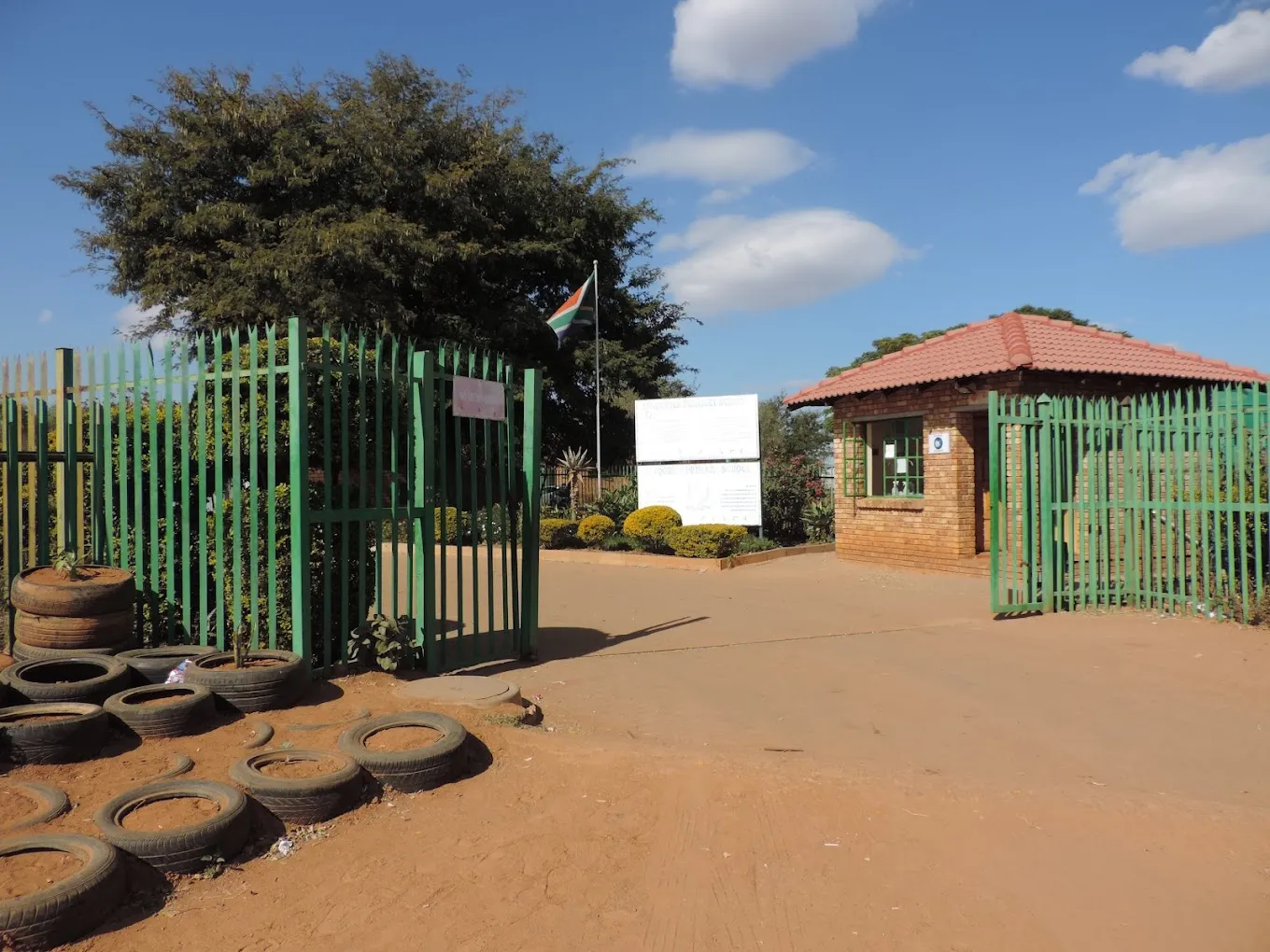
An 11-year-old pupil at Sinqobile Primary School in Soshanguve, South Africa, was allegedly dragged into a school toilet and forcibly circumcised by four older students during break time.
The Grade 5 pupil was reportedly attacked by four Grade 7 students, who allegedly pinned him down before one of them used a sharp blade to remove his foreskin.
The boy was also allegedly threatened with violence if he disclosed the incident to anyone.
According to his mother, the child returned home after the incident but initially refused to tell her what had happened. She later noticed that he was walking unusually and, days later, discovered that he was in severe pain.
The mother said her son eventually showed her his swollen private parts, prompting her to rush him to a doctor.
“He then showed me his swollen private parts and I rushed him to the doctor and it was then that we learned four pupils had circumcised him,” she said.

She said her son told her that the older boys had attacked him in the school toilets during break and threatened to beat him if he told anyone.
The mother subsequently opened a criminal case and refused to allow her son to return to school. Police later persuaded the boy to attend an identity parade, where he reportedly helped identify the four students.
South African Police Service spokesperson, Captain Tintswalo Sibeko, confirmed that a case of assault with intent to cause grievous bodily harm was being investigated.
“Our Family Violence, Child Protection and Sexual Offences Unit are investigating and no arrests have been made at this stage,” Sibeko said.
The Gauteng Department of Education also confirmed that the matter was under police investigation, while saying the school had not reported any similar circumcision attacks.
Deputy Principal George Mahlungu said the school was shocked by the incident.
“We are perplexed by what happened. This school is a place where a child should be safe,” he said.
The school has about 2,050 pupils between the ages of seven and 15.
A doctor who examined the boy reportedly said the procedure appeared to have been carried out in a manner similar to traditional tribal initiation practices. However, the doctor said a full diagnosis could not be made until the swelling subsided.
The boy’s mother said her son had become traumatised by the incident and was afraid to return to school.
Police investigations are ongoing, and no arrests had been made as of the latest report.
-

 News4 days ago
MTN, Gates Foundation drive $25m AI digital health plan in Nigeria – Technology Times
-
Health4 days ago
Drug-resistant bacterial infections kill one million people annually – WHO
-
 News3 days ago
Troops rescue 15 kidnap victims, nab two suspects in nationwide operations
-
Business3 days ago
Nigeria’s business activity expands as household confidence weakens