Health
Ebola: One imported case does not mean Nigeria is experiencing outbreak

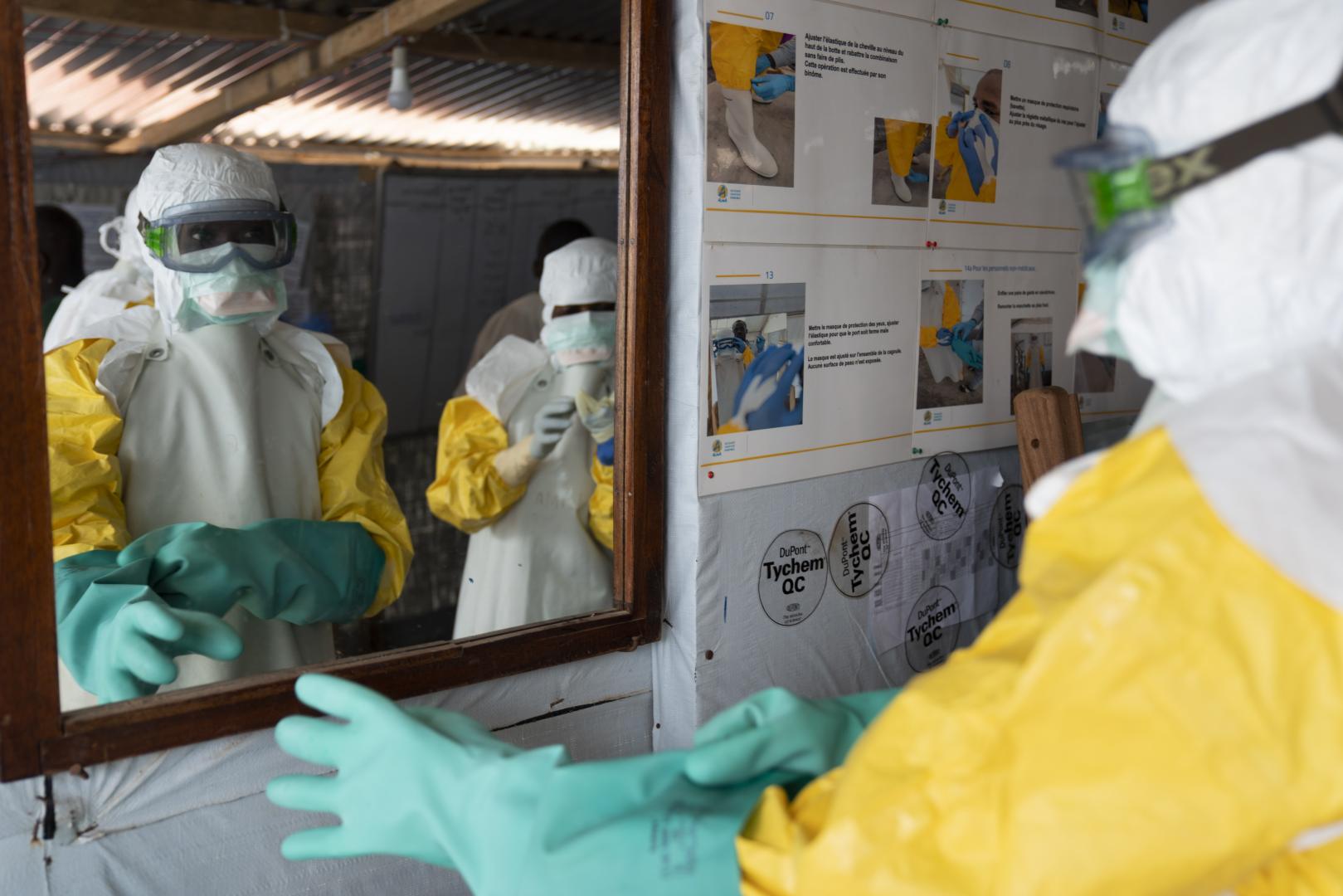
The World Health Organisation (WHO) has urged Nigerians to remain calm, noting that one confirmed case of Ebola does not mean the country is experiencing an outbreak.
WHO Regional Director for Africa, Mohamed Janabi, gave the reassurance in a video message posted on his X account on Wednesday night.
“One imported case does not by itself mean that Nigeria is experiencing an Ebola outbreak,” Mr Janabi said.
Mr Janabi said the agency is working with the Nigerian government and other partners to investigate the case, trace contacts, conduct laboratory testing, implement infection prevention and control, and protect health workers and communities.
He urged Nigerians to remain calm, stay informed and follow advice from public health authorities.
“There is no benefit in fear or misinformation,” he said. “What helps is early reporting, cooperation with the health authorities, and reliable information from reliable sources.”


Nigeria confirms case
Nigeria confirmed its first case of Ebola Bundibugyo virus disease on Tuesday after a woman who recently travelled to the country was diagnosed at a private hospital in Abuja.
The woman developed symptoms after arriving in Nigeria and is currently receiving treatment in isolation in the Federal Capital Territory.
The Nigeria Centre for Disease Control and Prevention (NCDC) has activated its incident management system, while health authorities have begun contact tracing. The 44 identified contacts include healthcare workers, patients, caregivers and travel contacts.
The Nigerian government said the case is currently being treated as an imported infection rather than community transmission.
WHO said Nigeria’s response demonstrates the importance of early detection and rapid public health action in preventing further transmission.
“Africa has considerable experience in responding to Ebola,” Mr Janabi said, adding that when cases are detected early, and contacts are followed closely, transmission can be stopped or interrupted.
Expert raises diagnosis concern
Meanwhile, virologist and Chairman of the West African National Academy of Scientists, Oyewale Tomori, raised concerns about the time taken to confirm the Nigerian case.
Speaking on Arise TV on Wednesday night, Mr Tomori said the gap between symptom onset and Ebola confirmation should prompt health authorities to strengthen their diagnostic response.
He said health workers should have a higher index of suspicion when treating travellers from areas where Ebola is circulating, rather than initially treating symptoms as more common illnesses such as malaria.
“If I hear somebody is coming from a country where Ebola is going on, or close to where Ebola has occurred, my first thought would be, is there Ebola?” he said.
Mr Tomori also urged authorities to prepare for the possibility that additional cases could emerge among the 44 contacts currently being monitored.
DRC outbreak continues
The Nigerian case comes amid a large Ebola outbreak in the Democratic Republic of the Congo (DRC), where the Bundibugyo virus has continued to spread.
According to the European Centre for Disease Prevention and Control (ECDC), the DRC reported 9,552 confirmed cases and 4,602 related deaths as of 19 October, based on data up to 18 October.
The outbreak has affected 66 of 178 health zones across eight provinces, with Ituri remaining the most affected province.
Kenya has also recorded imported cases linked to the DRC outbreak, with health authorities reporting nine confirmed cases as of 20 October.
Mr Janabi said the evolving situation in the DRC is a reminder for countries across Africa to maintain strong surveillance, laboratory readiness and rapid response capacity.
Discover more from Premium Times Nigeria
Subscribe to get the latest posts sent to your email.






Nigeria’s first confirmed Ebola patient is the wife of a diplomat who travelled to Uganda’s capital, Kampala, for a holiday, the Director-General of the Africa Centres for Disease Control and Prevention (Africa CDC), Jean Kaseya, has said.
Mr Kaseya said the woman, originally from Uganda but resident in Abuja, developed symptoms three days after returning to Nigeria on 3 October.
Providing details of the patient’s medical history, Mr Kaseya said the woman first developed symptoms on 6 October and initially sought treatment at a private hospital, believing she had malaria.
She subsequently visited another private hospital, where she was admitted on 11 October after her condition failed to improve.
“She went to the first hospital, a private hospital, thinking that she had malaria, and then she went to the second private hospital. She was admitted on the 11th,” Mr Kaseya told the BBC’s Newshour programme.
Details of patient’s travel, condition
According to a report by the BBC, Nigeria’s Coordinating Minister of Health and Social Welfare, Muhammad Pate, confirmed that the 42-year-old woman spent two and a half weeks in Kampala before returning to Abuja through Ethiopia, where she had a two-hour stopover in Addis Ababa.
Mr Pate said the patient, who tested positive for Ebola on Tuesday, was stable and responding to treatment.
“She’s stable, she’s improving,” he said.
He said health authorities had identified 44 people who came into contact with the patient and were taking measures to prevent further transmission.
“Not all of them have been in close proximity. We cast the net wide so that we contain it as broadly as possible,” he told the BBC.
The minister explained that none of the identified contacts, including the person who travelled with the patient, had developed symptoms.
He added that the woman had remained in Abuja since returning to Nigeria.
Mr Pate said public health authorities were alerted on Monday, 19 October, after the patient’s condition failed to improve.
Her Ebola diagnosis was confirmed the following day after three laboratory tests.
Ebola has an incubation period of two to 21 days, meaning an infected person may not develop symptoms until several days or weeks after exposure.
Ebola spreads through direct contact with the blood or other bodily fluids of an infected person, or with contaminated materials. Symptoms can include fever, headache, severe weakness, vomiting and diarrhoea.
Conflicting accounts of patient’s travel history
The latest information from Nigerian authorities and the Africa CDC differs from an earlier account provided by Uganda’s Ministry of Health.
Ugandan authorities had described the patient as a Nigerian national who travelled to eastern Democratic Republic of the Congo (DRC) for business and only passed through Uganda while returning home.
The Ugandan government maintained that the country had no active confirmed Ebola cases and that the woman’s transit through Uganda did not establish that she contracted the virus there.
However, Mr Pate said Nigerian authorities were working with Uganda, Ethiopia and the Africa CDC to establish the patient’s complete travel history and determine where she might have contracted the infection.
“We respect our sister nation of Uganda,” he said. “We have very strong solidarity, we are all in it together.”
Mr Kaseya also called for greater information-sharing among African countries to support investigations into the patient’s movements and possible exposure.
He urged Western countries to avoid imposing travel restrictions, stressing that international collaboration and solidarity were essential to containing the outbreak.
Regional outbreak
Nigeria’s confirmed case comes amid an ongoing Ebola outbreak linked to the Bundibugyo virus in the DRC, with infections also reported in other countries.
The European Centre for Disease Prevention and Control reported more than 9,500 cases and 4,602 deaths in the DRC as of 19 October.
Kenya, which confirmed its first imported case in early October, reported a ninth case on Tuesday. Its health ministry said all nine cases belonged to one known cluster, with the eight surviving patients responding well to supportive care.
The first Kenyan patient had travelled from the DRC through Uganda before arriving in Nairobi. The development has heightened regional concerns about the movement of the virus across borders.
Uganda also recorded Ebola infections earlier in 2026 but subsequently declared its outbreak over after completing the required period without a new confirmed case.
Nigeria’s current case has renewed attention on the risks posed by international travel during an outbreak, as public health authorities work to establish the source of infection and prevent further transmission.
Health authorities have advised the public to maintain good hand hygiene, avoid contact with the bodily fluids of suspected cases and promptly report possible exposure to public health officials.
Nigeria draws on 2014 experience
Nigeria previously experienced an Ebola outbreak in 2014 after an infected traveller arrived in Lagos from Liberia.
The outbreak resulted in 20 cases, including 19 laboratory-confirmed cases and one probable case, with eight deaths.
The World Health Organisation (WHO) declared Nigeria free of Ebola transmission on 20 October 2014 after the country completed 42 days without a new case.
Meanwhile, Mr Pate expressed confidence in the country’s ability to contain the latest case, citing improvements in disease surveillance, laboratory capacity and the availability of trained epidemiologists.
He said Nigeria’s previous experience with Ebola was one reason for confidence in the current response.
“We have done it in 2014, and we have good public health institutions,” Mr Pate said.
Discover more from Premium Times Nigeria
Subscribe to get the latest posts sent to your email.
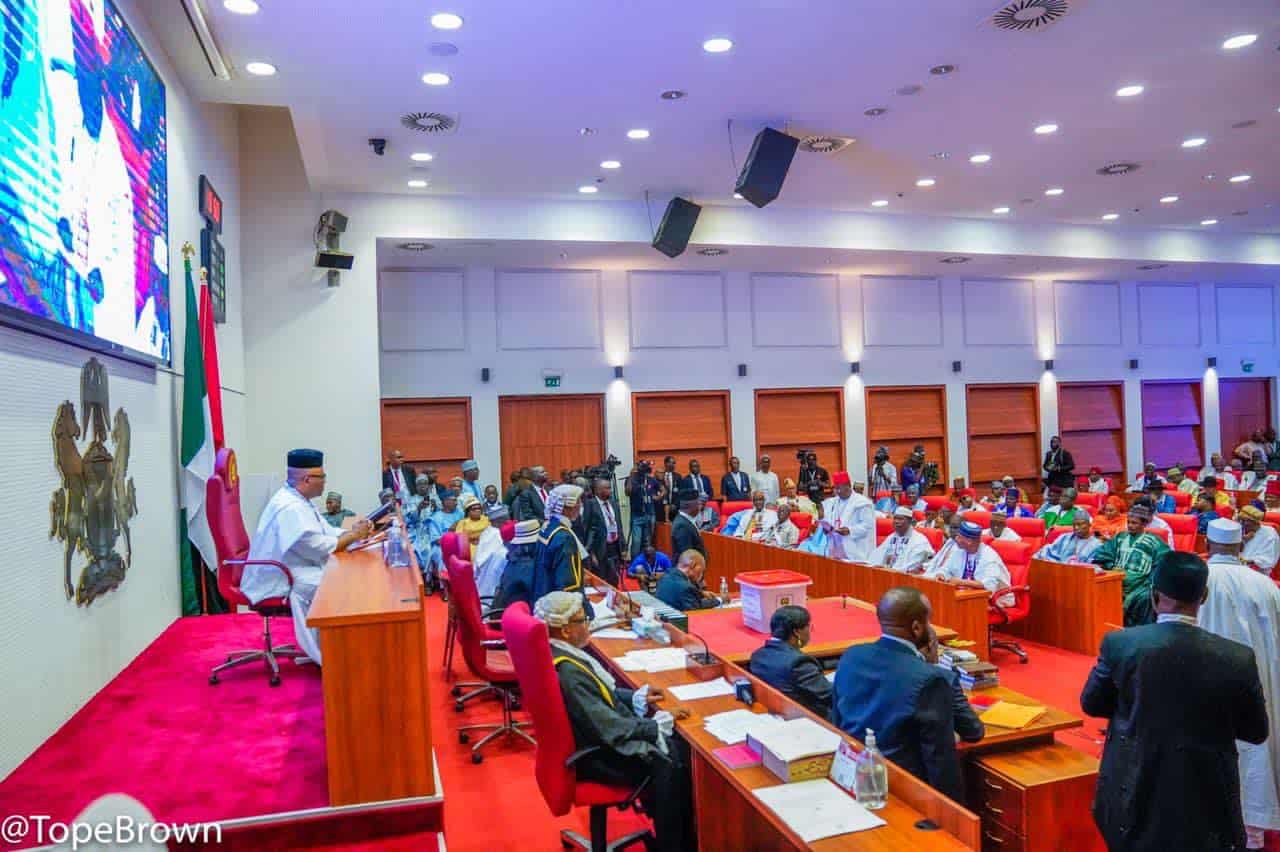
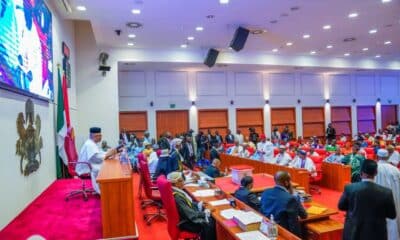
The Senate on Wednesday rejected a proposal for its members to visit the entry points through which a woman infected with Ebola entered the country before she was isolated at a private hospital in Abuja, the nation’s capital.
The upper chamber instead urged the federal government to immediately release emergency funds from the Service Wide Vote to prevent the spread of the Ebola virus.
Lawmakers passed the resolutions during plenary while debating a motion to enforce mandatory health screening at all international airports and other entry points to prevent the spread of Ebola and other epidemic-prone diseases.
The motion was sponsored by Francis Faduyile (APC, Ondo South).
Nigeria confirmed an Ebola case on Tuesday. The patient, a woman who recently arrived in the country on an international flight from Uganda, is currently in isolation and receiving medical care at a private hospital in the Federal Capital Territory.
The Coordinating Minister of Health and Social Welfare, Muhammad Pate, said 44 people had been identified as the patient’s contacts and that the government was tracking them for isolation.
The motion
Mr Faduyile, a professor of medicine, expressed concern about Nigerians’ safety, noting that no approved vaccine exists for the strain responsible for the outbreak
The senator said Nigeria needed to strengthen surveillance at its entry points in line with the International Health Regulations, without imposing travel bans or engaging in discrimination.
He urged the Senate to encourage the Federal Ministry of Health and Social Welfare, the Nigeria Centre for Disease Control and Prevention (NCDC) and the Port Health Services to make health screening compulsory for all international arrivals at airports, seaports and designated land borders.
Mr Faduyile said the screening should include health declaration forms, temperature checks and symptom assessments. He also called for enhanced screening of passengers who had been in or transited through affected areas within the preceding 21 days, regardless of their nationality or country of departure.
The senator further recommended exit screening for departing passengers during any declared public health emergency.
He urged the Federal Airports Authority of Nigeria and the Nigeria Immigration Service to ensure all entry points are adequately staffed and equipped with trained port health officers, thermal scanners, protective equipment, and isolation rooms.
The lawmaker also called for functional isolation and treatment centres in all 36 states and the FCT.
READ ALSO: Ebola: Nigerian lawmakers demand release of outstanding funds for health agencies to strengthen response
Mr Faduyile recommended reviewing the Quarantine Act of 1926 to align it with modern public health legislation and the International Health Regulations.
He further urged the Senate committees on Health, Primary Healthcare, Development and Disease Control, Aviation, Interior, and Appropriations to work with relevant agencies, visit major entry points and submit a report within four weeks to guide further legislative action.
Debate
Most senators who contributed to the debate supported the motion and its proposed measures.
However, the Senate President, Godswill Akpabio, while commending Mr Faduyile for sponsoring the motion, objected to the proposal for lawmakers to visit the country’s major entry points.
Mr Akpabio argued the visit was unnecessary, suggesting senators could risk exposure to the virus. He put the proposal to a vote, and most lawmakers opposed the planned visit.
Ekong Sampson, the senator for Akwa Ibom South Senatorial District, said Nigeria needed a stronger health system to protect its citizens from epidemic-prone diseases.
Sadiq Umar, who represents Kwara North Senatorial District, urged the government to deploy appropriate technology to strengthen contact tracing and prevent further transmission of the virus across the country.
Adamu Aliero (APC, Kebbi Central) described the matter as urgently important to the nation. He called on the federal government to immediately release emergency funds from the Service Wide Vote to contain the outbreak, rather than wait for funds previously approved in the budget to be released.
Tahir Monguno (APC, Borno North) also called for an amendment to the Quarantine Act.
Discover more from Premium Times Nigeria
Subscribe to get the latest posts sent to your email.
-

 News3 days ago
Euromatch NPFL: Matchday 9 results
-
News3 days ago
No agenda, no rush, no leaving San Francisco: Benchmark’s partners on investing in a frenzied market
-
News3 days ago
Amazon to fund 12 small nuclear reactors at former Indiana coal plant
-
News4 days ago
Meta removes language that raised scraping and AI training concerns