News
ADC Postpones Presidential Campaign Flagoff, Fixes New Date


The African Democratic Congress (ADC) has postponed the flag-off of its presidential campaign in Sokoto State, earlier scheduled for Saturday, October 31, to Wednesday, November 4.
The party’s Presidential Campaign Council in Sokoto State announced the postponement in a press statement issued on Wednesday, and signed by its Director-General, Bello Aliyu Goronyo.
According to the statement, the decision was taken to address certain planning and coordination issues to ensure the successful conduct of the campaign event.
The council appealed to party leaders, stakeholders, supporters and members of the public to take note of the new date, while expressing regret over any inconvenience caused by the change in schedule.
“The African Democratic Congress (ADC) Presidential Campaign Council in Sokoto State wishes to announce the postponement of its Presidential Campaign Flag-off, earlier scheduled for Saturday, 31st October 2026, to Wednesday, 4th November 2026,” the statement read.
Explaining the reason for the change, the council said, “The decision follows the need to address certain planning and coordination considerations to ensure the successful conduct of the event.”
“The Campaign Council regrets any inconvenience the change may cause and sincerely appreciates the understanding, patience and continued support of party leaders, stakeholders, supporters and members of the public,” Goronyo added.
He urged all concerned to take note of the new date and expressed the council’s readiness to welcome party leaders, supporters and other stakeholders to the event.
The postponement comes amid reports of difficulties involving hotel accommodation in Sokoto ahead of the campaign flag-off originally scheduled for Saturday.
Reports had emerged that hotel rooms were being booked ahead of the planned ADC event, with allegations that some hotel owners were refusing to release rooms to prospective guests.
The development comes as the ADC continues preparations for the 2027 general election, with former Vice President Atiku Abubakar as the party’s presidential candidate.
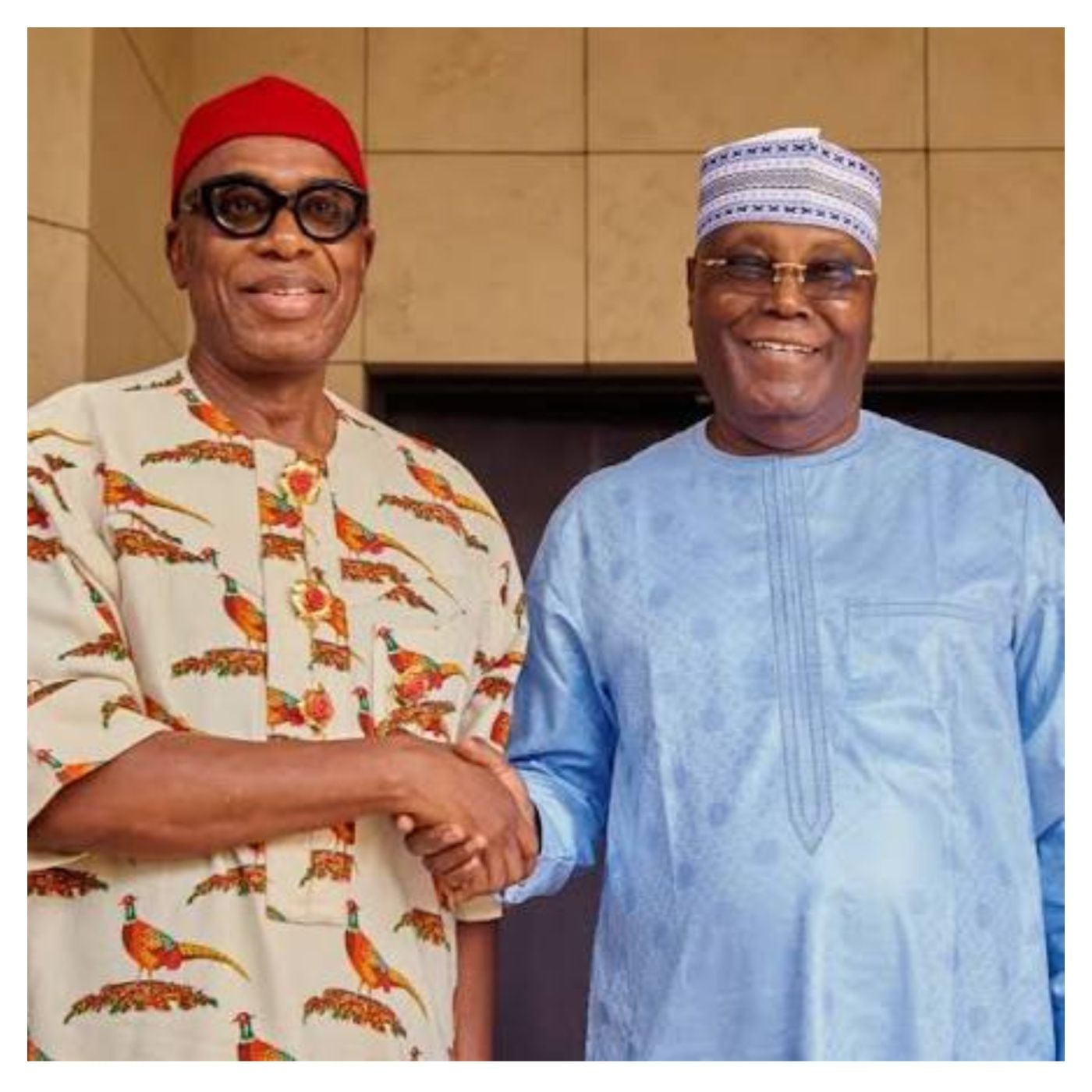
The party is seeking to strengthen its support across the country as opposition parties prepare to challenge President Bola Tinubu and the ruling All Progressives Congress in the forthcoming presidential election.
Earlier on Wednesday, the ADC Presidential Campaign Council at the national level disowned an unsigned campaign timetable circulating on social media, urging party members, supporters and other stakeholders to disregard the document.
The council said the timetable, which contained proposed dates and locations for campaign rallies and other political activities across the country, had not been authorised by the campaign organisation.
In a statement signed by the Director of Media and Publicity of the ADC Presidential Campaign Council, Kola Ologbondiyan, the party clarified that the document did not originate from the council or its campaign office.
“The African Democratic Congress Presidential Campaign Council (ADC-PCC) has disowned an unsigned campaign timetable currently in circulation, clarifying that the document did not emanate from the Council or its campaign office,” the statement said.
Ologbondiyan urged party members and stakeholders to wait for official announcements regarding the campaign schedule.
“Accordingly, all members and stakeholders are urged to disregard the document and await official communications from the ADC-PCC on campaign activities and schedules,” he added.
The unsigned timetable listed Sokoto State as the proposed starting point for the presidential campaign on October 31, 2026, and outlined proposed activities in several other states before a closing rally scheduled for Adamawa State on January 11, 2027.
The document also contained proposed dates for rallies, town hall meetings and other political engagements in states including Kebbi, Zamfara, Ogun, Oyo, Rivers, Delta, Edo, Cross River, Anambra, Enugu, Ebonyi, Abia, Benue, Plateau, Kaduna, Kano and Borno.





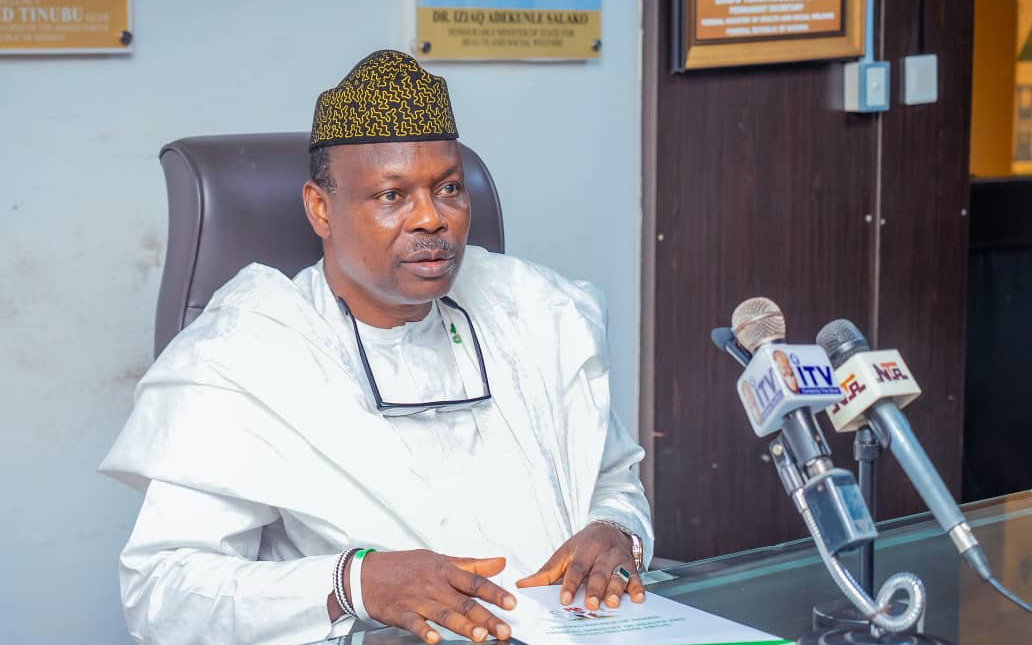
The federal government says it has disbursed N249.6 billion to the Basic Health Care Provision Fund (BHCPF) in the past three years, representing 77.1 per cent of the N323.6 billion disbursed since the fund was established in 2019.
The government also plans to expand direct financing to at least 17,600 primary healthcare facilities and provide health insurance coverage for about 90,000 Nigerians in correctional facilities.
The Minister of State for Health and Social Welfare, Iziaq Salako, disclosed this on Wednesday in Abuja during a ministerial briefing on three years of implementation of the fund under President Bola Tinubu’s administration.
Established under the National Health Act 2014, the BHCPF is designed to improve access to essential healthcare, particularly for poor and vulnerable Nigerians.
Mr Salako said the fund had become a key instrument for implementing the Nigeria Health Sector Renewal Investment Initiative, launched in December 2023 to strengthen healthcare delivery and financing.
Disbursements and allocations
According to Mr Salako, total releases to the fund stood at N422.3 billion as of September 2026, with N323.6 billion disbursed.


He said the Ministerial Oversight Committee approved an additional N40.76 billion at its meeting on 14 October. The approval is expected to raise cumulative disbursements to N364.3 billion, including N290.2 billion under the Tinubu administration, according to the statement.
Speaking on the latest allocation, Mr Salako said N19.87 billion would go to the National Health Insurance Authority, N18.34 billion to the National Primary Health Care Development Agency, N2.04 billion to emergency medical treatment and N509.48 million to the Nigeria Centre for Disease Control and Prevention.
He said the allocations would support health insurance, primary healthcare services, emergency medical response and disease surveillance.
Mr Salako added that the government was working with the National Assembly to increase the fund’s statutory allocation from one per cent to two per cent of the Consolidated Revenue Fund.
Health insurance and primary healthcare
On financial protection, Mr Salako said national health insurance enrolment increased from about 16.2 million people in 2023 to 23.06 million by the third quarter of 2026.
He said the BHCPF had supported insurance coverage for 3,182,943 vulnerable Nigerians with National Identification Numbers.
The fund, he added, had also supported free surgeries and rehabilitation for women with vesicovaginal fistula, emergency caesarean sections and other emergency obstetric and newborn care interventions for 96,068 women and babies.
Mr Salako said the oversight committee had also approved health insurance coverage for approximately 90,000 Nigerians in correctional facilities, with implementation expected to expand access to essential healthcare for inmates.
On primary healthcare delivery, he said direct facility financing currently supports 8,309 PHCs across the 36 states and the Federal Capital Territory.
He said the government planned to include a further 5,212 facilities, bringing the projected total to 13,521. However, the government’s broader target is to expand direct financing to at least 17,600 facilities.
Mr Salako added that the number of facilities attaining Level 2 readiness increased from 1,748 in 2024 to 3,202 in the third quarter of 2026.
He also said PHC attendance rose from 34.55 million in 2023 to 43.06 million by the second quarter of 2026.
Emergency services and health workers
On emergency medical services, Mr Salako said operational structures had been established in all 36 states and the FCT.
Through the Rural Emergency Service and Maternal Transport arrangements, emergency transport services had been established in 171 of the 172 local government areas covered by the Maternal and Newborn Mortality Reduction Innovation Initiative. The government plans to extend the initiative to 200 local government areas by December 2026.
He said the emergency response system had recorded 168,571 ambulance service episodes since 2023, covering obstetric emergencies, neonatal and under-five emergencies, road traffic injuries, snakebites, burns and other urgent medical conditions.
Mr Salako said 78,054 frontline health workers had been trained towards a national target of 120,000.
He also said the oversight committee approved phased salary support for 13,800 community-based health workers and skilled birth attendants. Under the arrangement, the federal government would cover eligible salary costs in full in the first year, 67 per cent in the second year and 33 per cent in the third year, before state governments assume full responsibility.
READ ALSO: FG partners US foundation to mobilise $1bn to tackle child malnutrition
He said the committee had also approved the operationalisation of MEDIPOOL, a pooled procurement mechanism intended to improve access to essential medicines and health commodities, subject to quality assurance and accountability safeguards.
Accountability and next steps
Mr Salako urged state governments to fulfil their counterpart financing obligations and ensure sustainable funding for primary healthcare services. He commended Katsina State for releasing N240.79 million to its State Health Insurance Agency to support expanded coverage.
He said the Ministry of Health and Social Welfare was strengthening financial accountability through the implementation of the updated BHCPF Guidelines 2.0 and collaboration with the Independent Corrupt Practices and Other Related Offences Commission to track the use of public funds.
He emphasised that timely reporting, transparent payments, and expenditure verification were necessary to ensure funds reached healthcare facilities and translated into services for patients.
Mr Salako said the government remained committed to increasing domestic health financing and improving access to essential healthcare, particularly for vulnerable Nigerians.
Discover more from Premium Times Nigeria
Subscribe to get the latest posts sent to your email.

The vice-presidential candidate of the Nigeria Democratic Congress, NDC, Rabiu Kwankwaso, has demanded an independent investigation into suspected AI-generated photographs and questionable records in the preliminary voter register released by the Independent National Electoral Commission, INEC, ahead of the 2027 general elections.
Kwankwaso questioned how the suspicious images entered the register and whether the identities linked to the records were properly verified.
In a statement shared on X, Kwankwaso said INEC’s decision to investigate the matter was welcome but insisted that the probe must be transparent and conducted independently of the commission.
“The investigation must be thorough, transparent and independent,” he said, demanding that the findings be made public and anyone found culpable be held accountable under the law.
He also called for an independent audit of the preliminary register, including checks for questionable entries, duplicate records and artificial identities.
Kwankwaso demands independent probe into suspected AI photos in INEC voter register
-
Business4 days ago
REA Ends 16 Years of Darkness in Two Kano Communities
-

 Business3 days ago
CBD COP17: Nigeria, France Push for Faster Action on 30×30 Biodiversity Target
-
News3 days ago
AI delivers ‘zero financial payoff’ to most companies, Apollo economist says
-
News2 days ago
Poor AI data pipelines could fuel cyber exploitation in Nigeria, regulator warns – Technology Times